
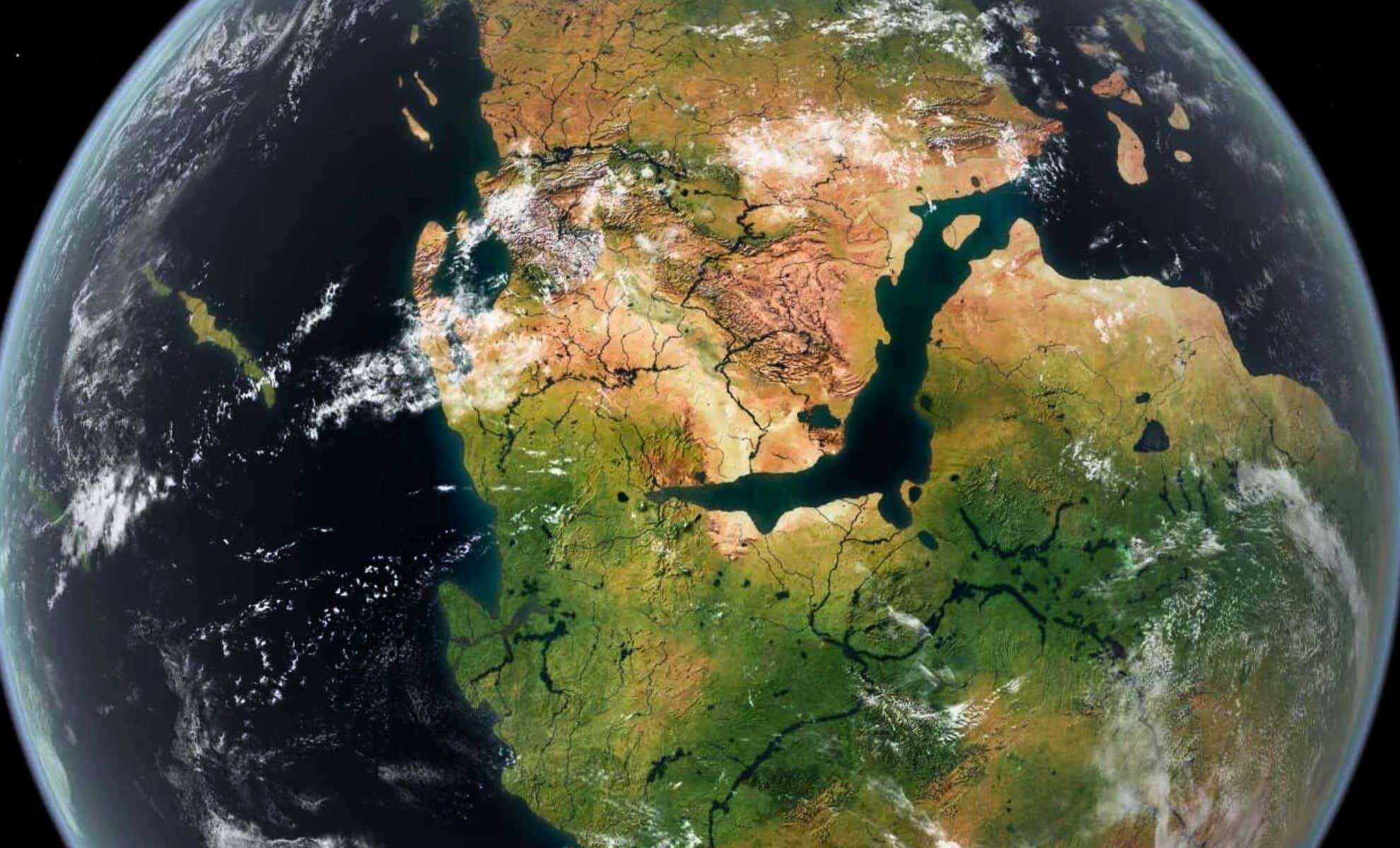
For generations, students worldwide have learned to categorize the planet into seven distinct continents, clearly divided by vast oceans and tectonic borders. However, recent work from the University of Derby challenges this long-standing geographical framework. Published in Gondwana Research, the study calls into question the supposed strict separation between Europe and North America.
Central to this new perspective is Iceland, a volcanic island traditionally seen as the result of a deep mantle plume pushing apart two tectonic plates. Yet, led by Dr. Jordan Phethean, a geologist at the University of Derby, the research proposes that Iceland’s formation may reflect an active, incomplete continental separation rather than a completed one.
Unbroken Rift in the Atlantic
Conventional thinking attributes the creation of the Mid-Atlantic Ridge, which passes through Iceland, to the final splitting of the Eurasian and North American plates approximately 52 million years ago. Contrary to this view, Phethean’s team suggests this rift remains a work in progress—indicating that the plates have not yet fully separated. Instead, a geological link persists, suggesting these two landmasses may still be connected at a tectonic level.

Specifically, the focus is on the Greenland-Iceland-Faroe Ridge (GIFR), which houses rock fragments from both the Eurasian and North American plates. This finding contradicts the idea that Iceland is simply an isolated volcanic feature, hinting instead that it acts as a gateway joining parts of continental crust yet unseparated by oceanic spreading.
“Iceland,” noted Phethean, “harbors relics of a sunken continent beneath the sea along with extensive lava flows.” His group refers to this formation as a Rifted Oceanic Magmatic Plateau (ROMP) to highlight its mixed oceanic and continental characteristics.
Parallels Between Volcanic Rifts
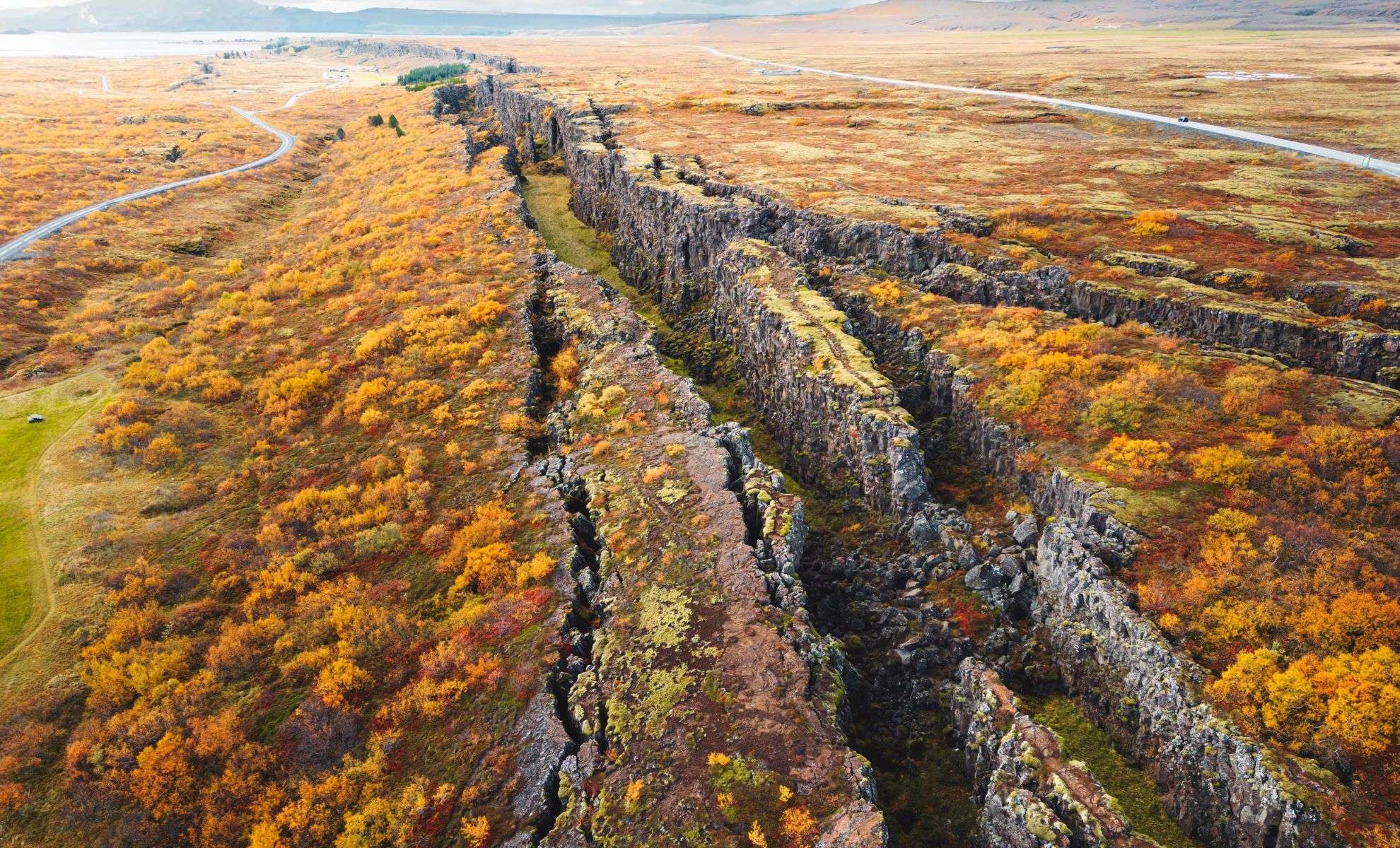
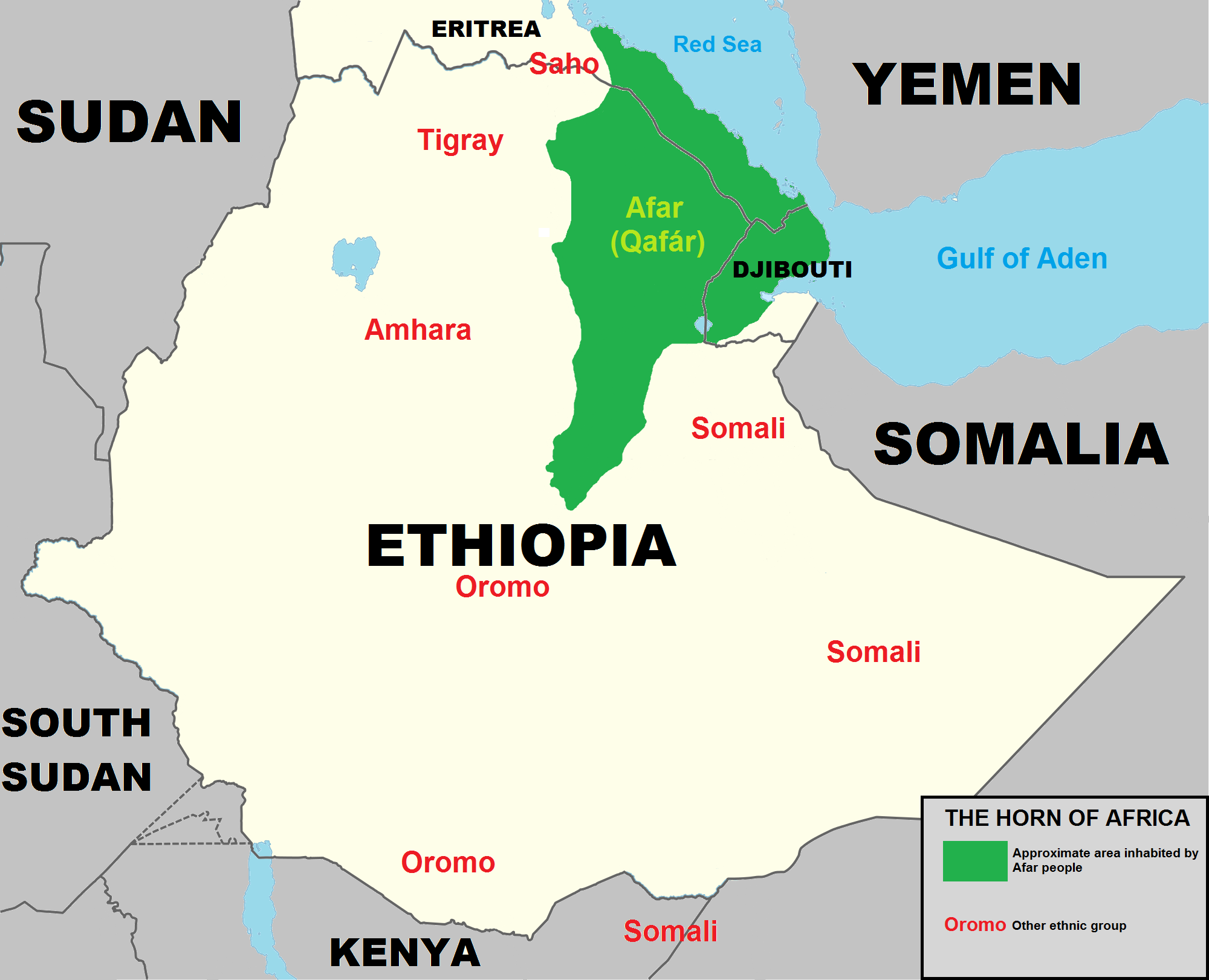
The researchers underscore similarities between Iceland and the Afar region in eastern Africa, another area marked by active volcanism along a major rift zone. Shared features in their crustal makeups and volcanic behaviors support the possibility that both areas illustrate ongoing plate separation processes. This parallel strengthens the case that the North Atlantic is still in the midst of tectonic evolution.
Although recognizing the contentious nature of these claims, Phethean stated, “Proposing that the GIFR comprises significant continental crust and that Europe and North America have yet to fully disconnect is a bold assertion.” Nonetheless, he emphasizes that their conclusions rest on extensive seismic investigations and advanced tectonic simulations.
Discovery of a Buried Microcontinent
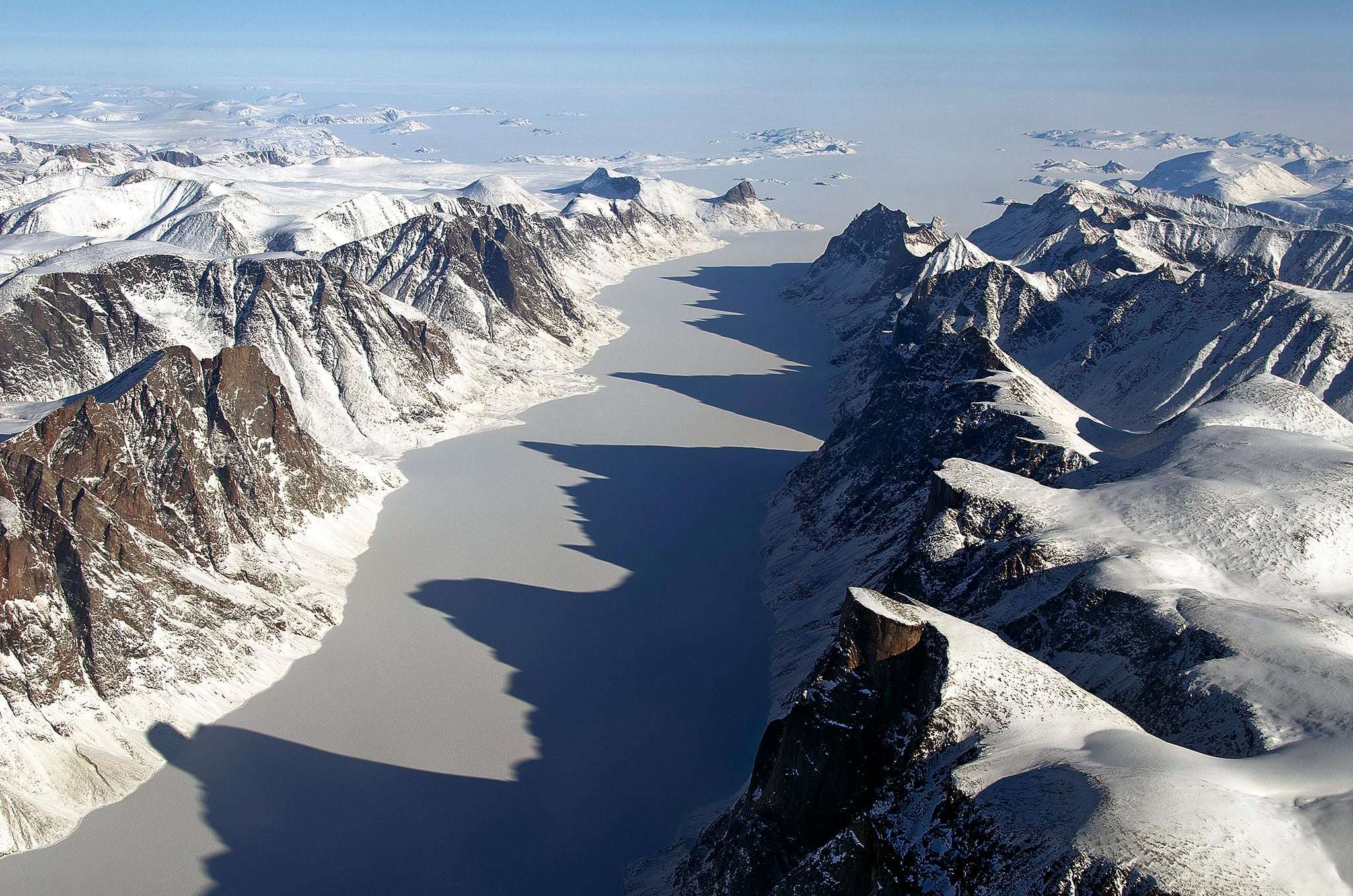
This investigation extends earlier efforts by Phethean’s team, including identifying a proto-microcontinent underneath the Davis Strait, positioned between Greenland and Canada. Comparable in scale to England, this submerged landmass near Baffin Island reinforces the idea that continental fragments can remain concealed beneath ocean floors.
“Rifting and microcontinent development are active geological processes,” Phethean observed, adding that this knowledge may enhance predictions about Earth's geological trajectory and help locate resource-abundant zones previously unrecognized.
Rethinking Continental Boundaries
Should further geochemical studies and tectonic modeling of Icelandic formations validate these results, it would prompt a major revision of the conventional world map. The traditional view of Europe and North America as distinct continents could shift, framing them as interconnected within a shared tectonic framework.
This rearrangement would reduce the count of Earth's primary continents to six, illuminating the fluidity and complexity of global geography far beyond the simplified portrayals found in school atlases.
- Categories:
- Science








0 comments
Sign in to Comment