
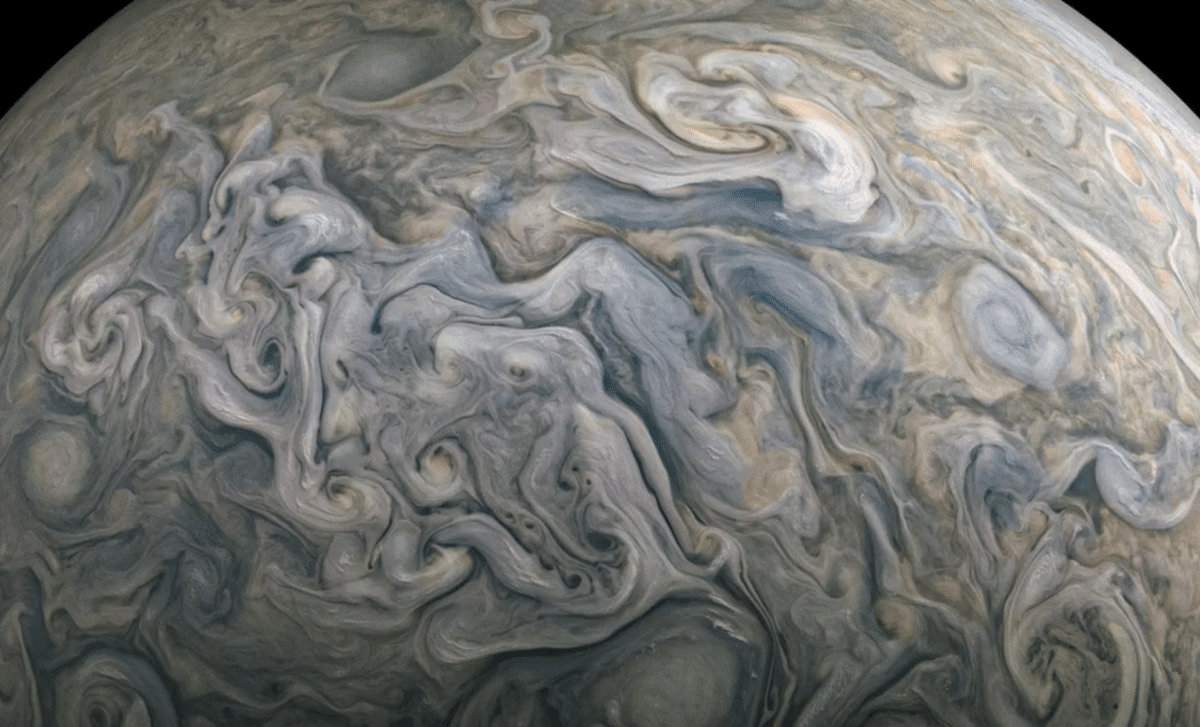
Beneath the iconic swirling bands of Jupiter lies a chemical composition that could transform our comprehension of the gas giant’s origins. A recent study in the Planetary Science Journal proposes that Jupiter contains approximately 1.5 times the oxygen concentration found in the Sun, supporting the theory that the planet formed by accumulating substantial icy material early in the solar system's history.
Cutting-Edge Simulations Unveil Hidden Atmospheric Secrets
For generations, astronomers have marveled at Jupiter’s turbulent atmosphere, punctuated by colossal storms like the Great Red Spot. While missions such as NASA’s Juno spacecraft have delivered detailed maps of the planet’s gravity and magnetism, directly probing the deep layers of Jupiter’s atmosphere remains a daunting challenge. This is because the majority of the planet’s oxygen exists within water vapor buried thousands of kilometers beneath the visible clouds, making direct measurement nearly impossible.
To address this challenge, scientists from the University of Chicago and NASA’s Jet Propulsion Laboratory crafted the most advanced computer models to date simulating Jupiter’s interior atmosphere. Unlike previous approaches that treated chemical and atmospheric dynamics separately, these models merge both into one comprehensive system. They follow the evolution of gases, clouds, and chemical reactions as materials move gradually between the planet’s hot depths and cooler upper layers. This holistic methodology yielded a more coherent understanding of Jupiter’s makeup and enabled researchers to more accurately quantify the hidden oxygen beneath its clouds. Their results were published in the Planetary Science Journal, offering compelling new insight into the internal chemistry of Jupiter.

Jupiter’s Oxygen Abundance Surpasses That of the Sun
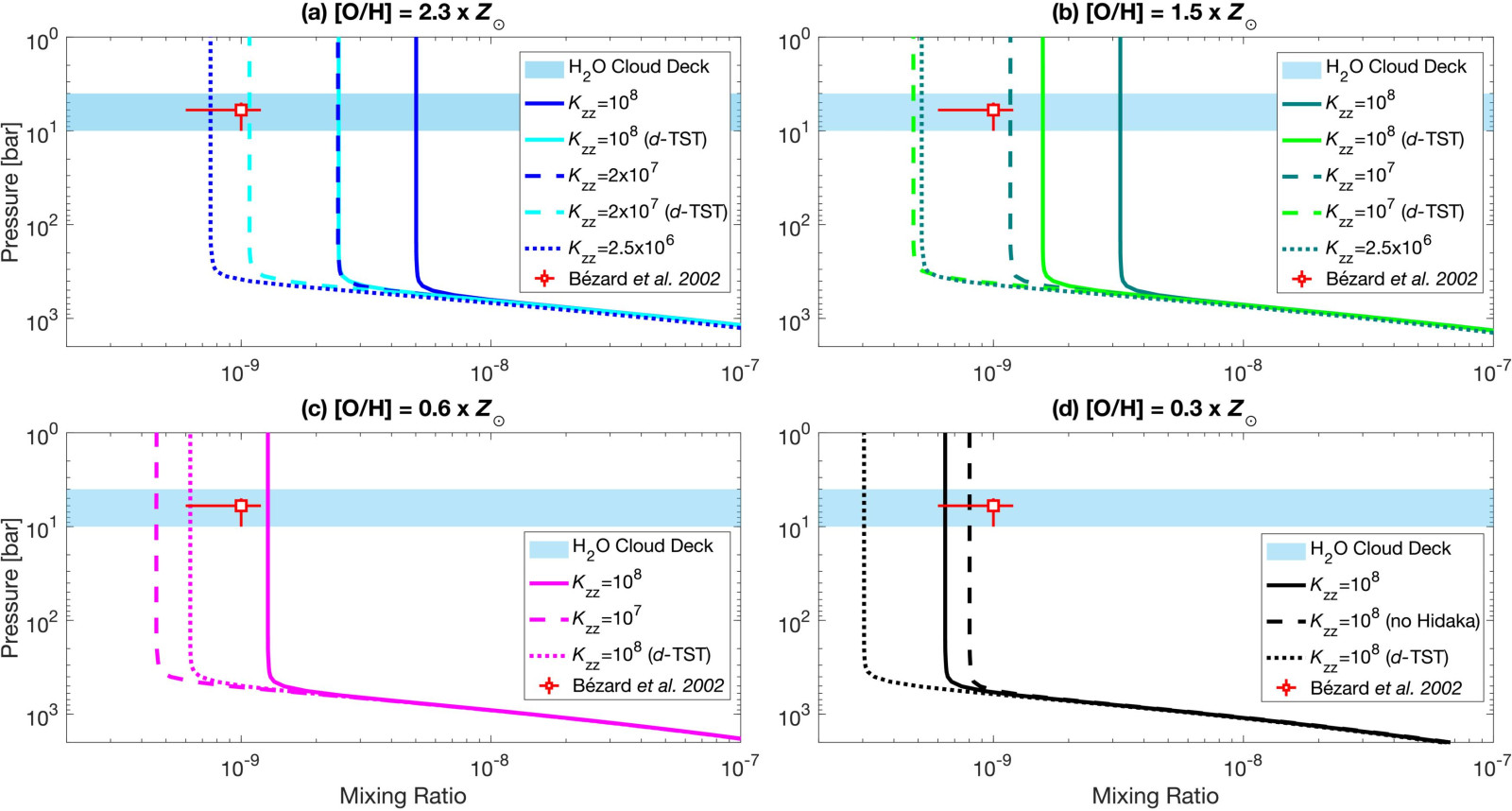
The models indicate that Jupiter holds roughly 1.5 times the amount of oxygen compared to the Sun, a conclusion that carries significant weight for planetary formation theories. The long-standing debate over whether Jupiter’s core primarily accreted gas or icy solids is tipped toward the latter by this new evidence.
Current formation theories suggest Jupiter assembled beyond the snow line—the boundary in the early solar system cold enough for water to freeze into ice. This environment would have allowed massive quantities of frozen water to incorporate into the growing planet, enriching it with oxygen relative to solar levels. This fresh data lines up closely with theoretical forecasts and marks an important step toward deciphering the conditions that shaped the solar system billions of years ago.
“This study reminds us how much remains to be uncovered about even the planets right here in our solar system,” said lead author Jeehyun Yang, a postdoctoral fellow at the University of Chicago.
Revised Understanding of Jupiter’s Atmospheric Dynamics
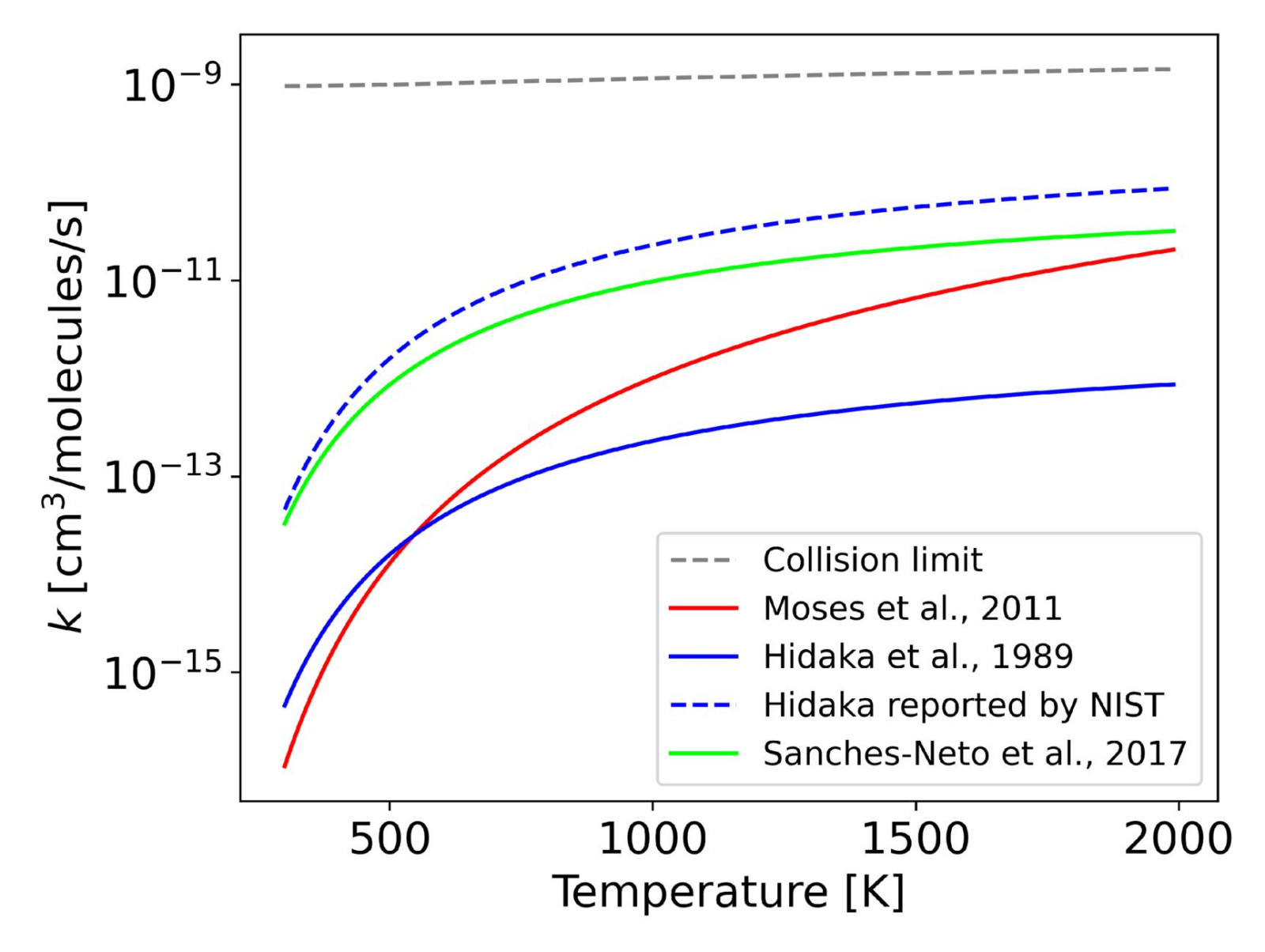
The findings also revise prior assumptions regarding gas movement deep within Jupiter’s atmosphere. Past interpretations proposed that gas transported quickly between layers, completing the cycle within hours. The new data suggests a markedly slower exchange, requiring weeks for gases to move from the interior to the upper atmosphere.
This gradual mixing impacts more than just circulation — it alters heat distribution, cloud formation, and chemical transformations across the planet. Integrating atmospheric behavior with chemical reactions in the simulations reveals their strong interdependency, enabling a more faithful depiction of Jupiter’s concealed atmosphere. These insights are poised to improve the interpretation of future probe data on the gas giant.
Insights That Extend to Planetary Systems Beyond
While this investigation centers on Jupiter, its implications resonate far beyond a single planet. Each world holds chemical records reflective of its birth environment, effectively acting as a time capsule from the dawn of a planetary system. Understanding why Jupiter is oxygen-rich in comparison with the Sun offers key clues about the processes that influenced not only our solar neighborhood but other planetary systems scattered throughout the galaxy.
The enhanced simulation approach pioneered here may soon be applied to other gas giants and exoplanets, broadening our grasp of planetary evolution. Despite being extensively studied, Jupiter continues to unveil new secrets, proving that the solar system still harbors many mysteries beneath its cloud layers.
- Categories:
- Astronomy



0 comments
Sign in to Comment