
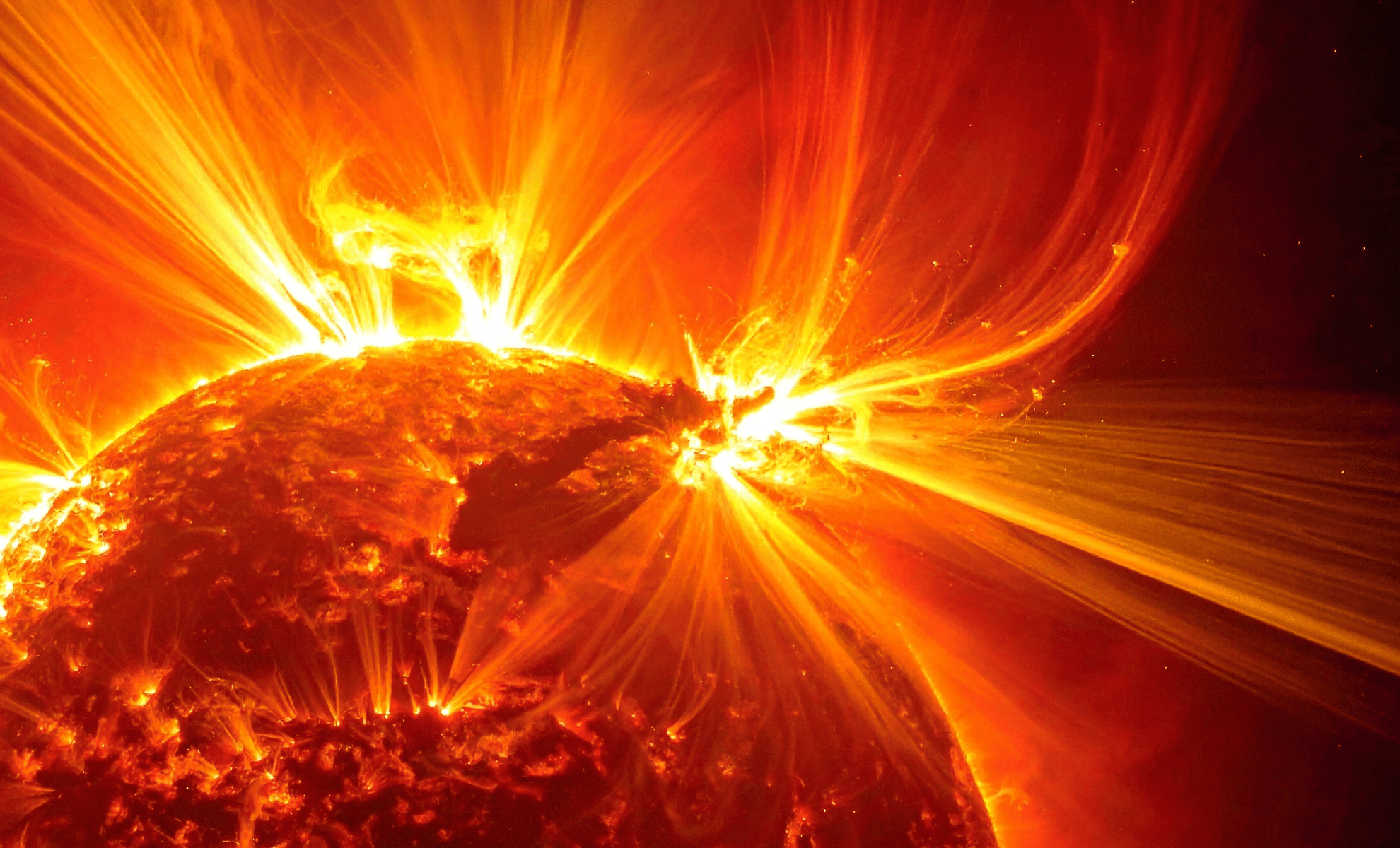
Emerging research points to a stronger link between solar activity and human health than previously recognized. A 2025 publication in Communications Medicine offers novel insights into how geomagnetic disturbances might impact cardiovascular functioning, reigniting discussion about the influence of space weather on our well-being. While solar storms are typically associated with visual phenomena like auroras and disruptions to technology, recent studies are increasingly focusing on their more subtle effects on biological processes.
What Are Geomagnetic Storms and How Far Do They Reach?
Solar storms, caused by massive bursts of solar wind and coronal mass ejections, trigger geomagnetic fluctuations that affect Earth’s magnetic shield. Though known to disrupt satellite operations and power infrastructure, their influence may also extend to human health. The electromagnetic energy from these storms can interfere with the body’s electrical signals, and some researchers propose this may alter cardiac rhythms and autonomic nervous system activity. By comparing the timing of geomagnetic events with hospital admissions for cardiovascular problems, scientists have uncovered associations that might have been missed in earlier health studies.
Insights From Brazil: Geomagnetic Fluctuations and Heart-Related Hospitalizations
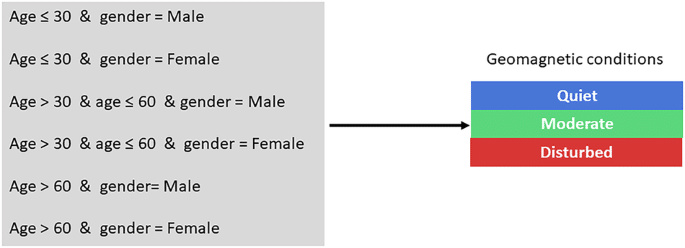
Researchers at Brazil’s National Institute for Space Research recently highlighted that “many investigations suggest a potential causal link between [geomagnetic disturbances] and cardiovascular diseases (CVD), including myocardial infarction (MI).” Their study analyzed 1,340 MI hospital admissions in São José dos Campos between 1998 and 2005, matching each case to geomagnetic activity levels classified as quiet, moderate, or disturbed. The results revealed a significant rise in MI events during geomagnetic disturbances. The research further uncovered gender-specific trends:

“The data show that although the number of MI cases in women is lower, in geomagnetic conditions they occur in greater proportion or even in absolute numbers,” they concluded.
This finding prompts deeper examination of how solar phenomena might differently influence male and female physiology, emphasizing the need to account for biological differences in environmental health studies.
The Role of Heart Rate Variability in Solar Activity Response
Heart rate variability (HRV), which measures the variation between heartbeats and reflects autonomic nervous system balance, appears to be affected by geomagnetic events. Research indicates that these disturbances may shift HRV, linking space weather to cardiovascular function. A 2018 study monitoring 16 women over several months detected changes in HRV aligned with geomagnetic fluctuations. A larger 2022 study followed 809 men for 16 years, identifying that strong geomagnetic activity could depress HRV for as long as 24 hours. Lower HRV is associated with heightened cardiovascular risk, offering a plausible biological mechanism for solar storms’ subtle impact on heart health. These discoveries lay the groundwork for future investigations by providing measurable health markers related to space weather.
Worldwide Trends Connecting Geomagnetic Activity to Heart Disease
Beyond individual regions, global studies show links between geomagnetic variations and cardiovascular illnesses. A 2023 analysis covering 204 territories across various latitudes found a consistent association between stronger geomagnetic fields and increased rates of heart disease. Although direct causality is still unclear, the recurring evidence from different populations implies that geomagnetic changes could be among multiple environmental factors influencing cardiovascular wellbeing. Accumulated research, including comprehensive reviews, indicates that solar storms might affect the incidence of myocardial infarction, acute coronary episodes, and strokes, even as the precise biological pathways continue to be explored.
- Categories:
- News










0 comments
Sign in to Comment