
Birds have captivated us for ages with their remarkable ability to soar through the air. Among them, a select few stand out due to their astonishing size and impressive wingspan. From the soaring Andean condor to the unmatched wandering albatross, let's explore these colossal avian species that have dominated the skies today and in the past.
The Andean Condor: King of the Andes
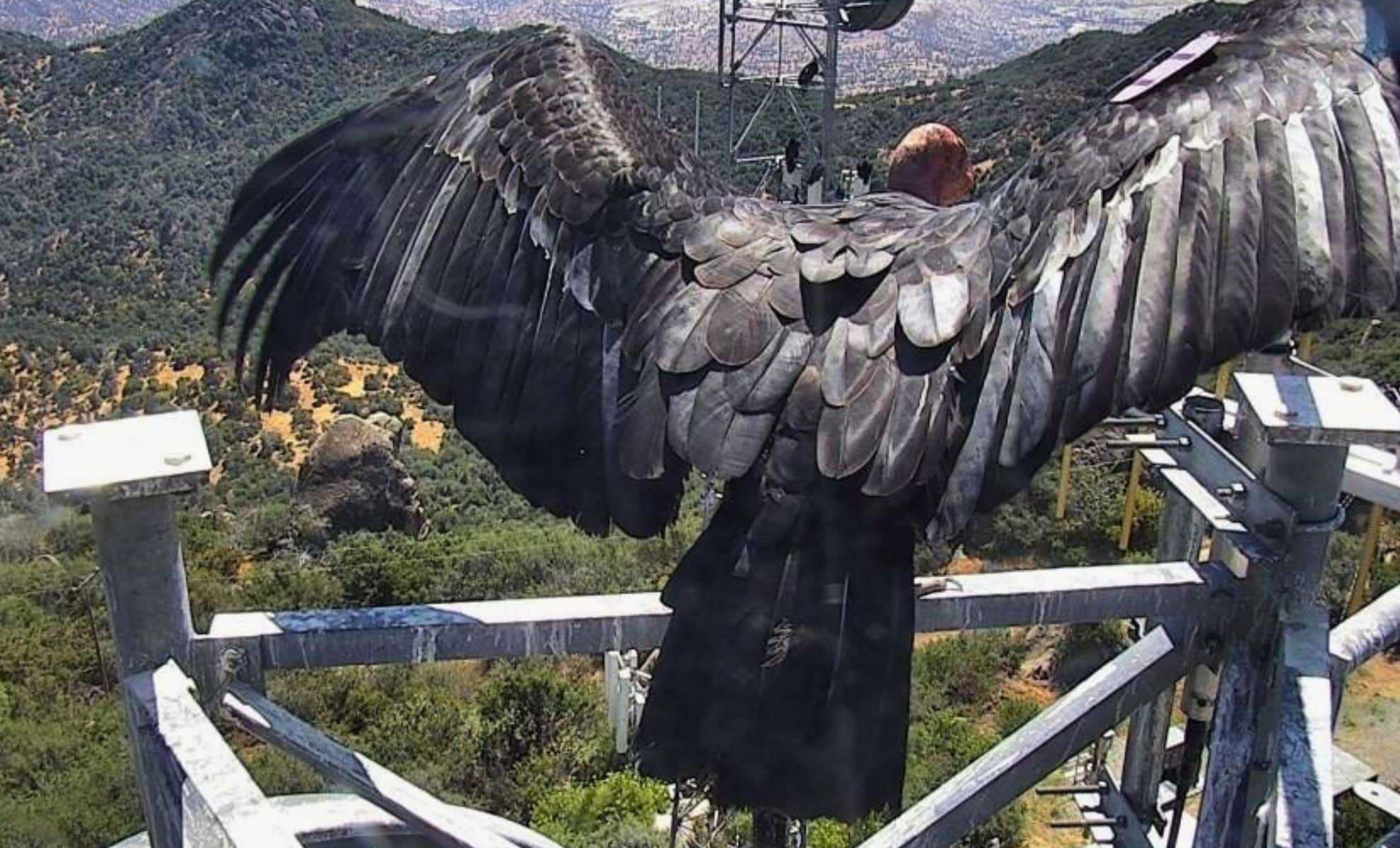
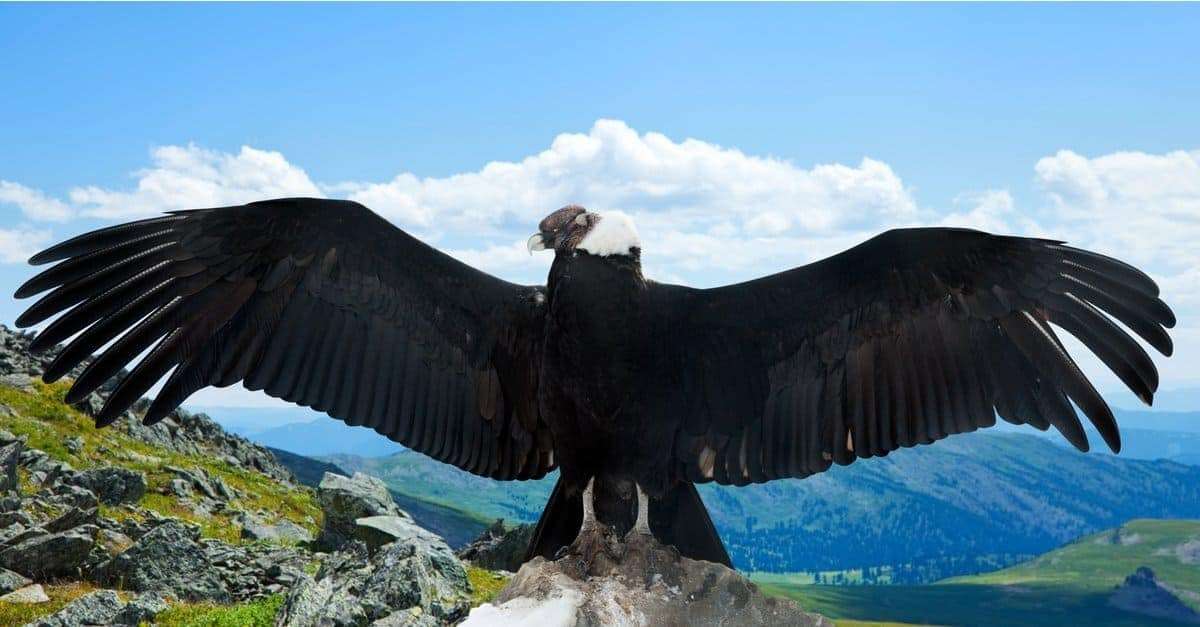
The Andean condor (Vultur gryphus) is a truly commanding presence. Native to South America, this massive bird spreads its wings up to an incredible 3.3 meters (nearly 11 feet), ranking it among the largest airborne birds globally.
Although it boasts broad wings, the Andean condor maintains a relatively light body weight, typically ranging from 7 to 15 kilograms (15 to 33 pounds). This lightweight frame allows it to glide gracefully for long periods, harnessing thermal updrafts to stay aloft without much wing movement.

Despite its grandeur, the Andean condor is under threat. Loss of habitat and illegal hunting have pushed it to be classified as vulnerable, emphasizing the urgent need for protective measures to preserve its soaring legacy.
The Wandering Albatross: Wingspan Champion
Though the Andean condor is an impressive raptor, the record for the longest wingspan among living birds belongs to the wandering albatross. This magnificent seabird’s wings can stretch to an astounding 3.5 meters (11.5 feet), making it the top flyer in terms of wingspan today.
Perfectly adapted for oceanic life, the wandering albatross can remain airborne for days, effortlessly gliding over the expansive Southern Ocean. Weighing around 12 kilograms (26 pounds), its lightweight build emphasizes endurance. By exploiting wind patterns, it covers vast distances with minimal effort, rarely flapping its wings.

The Ostrich: The Largest Bird Without Flight
If overall size without the ability to fly is considered, the ostrich rules the roost. Towering up to 2.7 meters (9 feet) tall and weighing as much as 150 kilograms (330 pounds), this giant bird is a remarkable terrestrial creature.
The ostrich abandoned flight in exchange for incredible speed. It can sprint at a blazing 70 km/h (43 mph), earning it the status as the fastest two-legged animal on Earth. While its wings are ineffective for flying, its powerful legs enable swift and agile ground movement.

Giant Flyers of the Past
Today's avian giants are impressive, but prehistoric times featured birds of even more extraordinary proportions. The extinct Argentavis magnificens, a distant relative of the Andean condor, soared over South America around six million years ago.
It had an estimated wingspan reaching up to 7 meters (23 feet) and weighed close to 70 kilograms (154 pounds), making it the largest flying bird ever discovered. Scientists believe Argentavis used thermal air currents for soaring, much like its modern condor descendants, relying on gliding rather than continuous flapping.
The Sky’s True Titans
From the majestic wandering albatross to the powerful Andean condor and the giants of prehistoric eras, size plays a significant role in avian flight. Some species excelled in long-range travel, while others traded flight capabilities for strength and speed on land.
The next time a bird soars overhead with grace, consider the colossal ancestors that ruled the skies both in ancient times and today.
- Categories:
- Nature
















0 comments
Sign in to Comment