
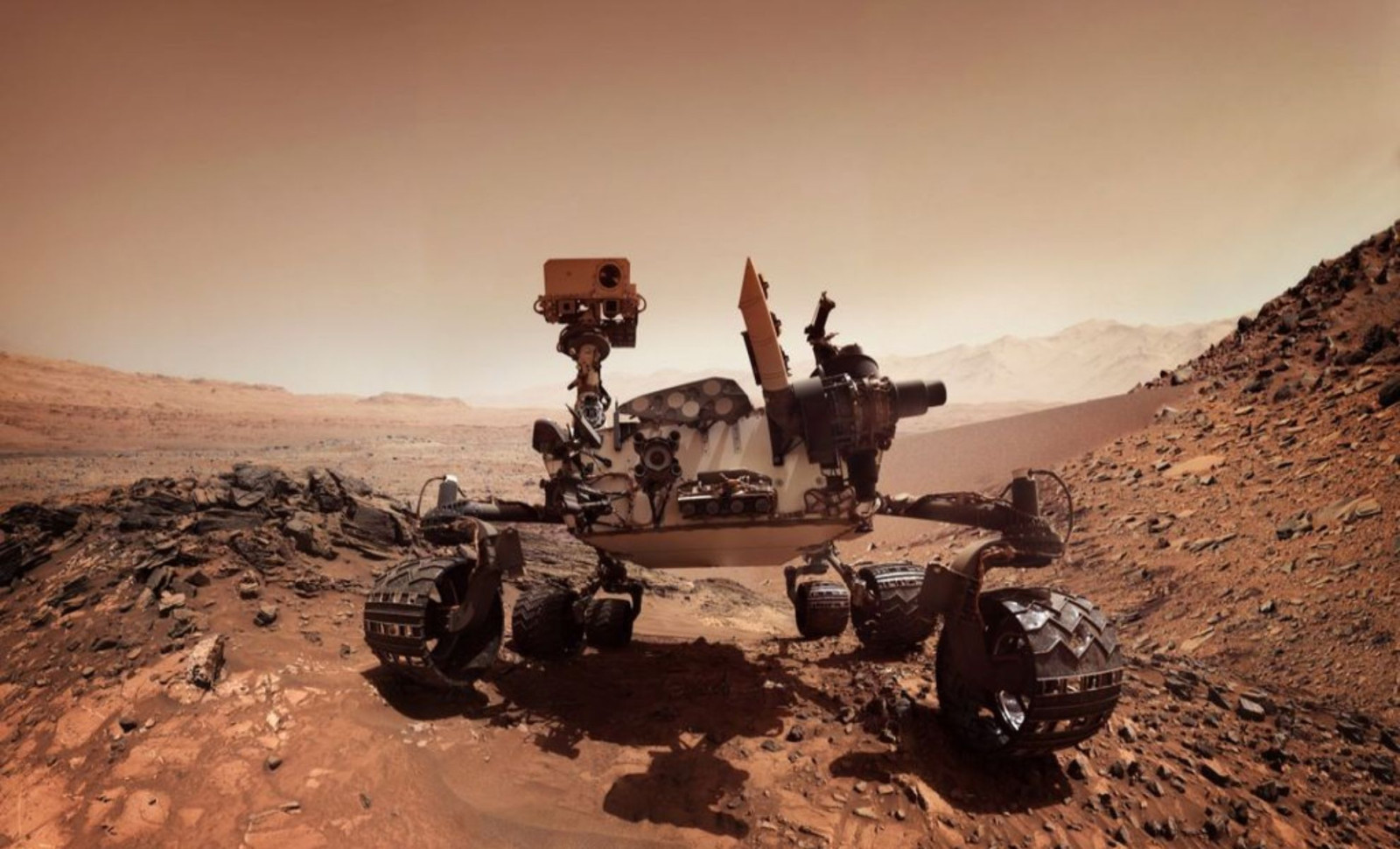
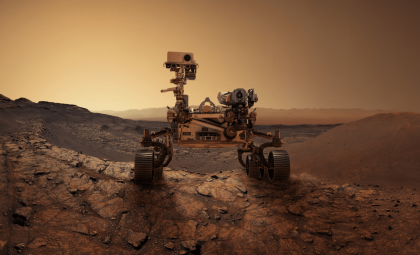
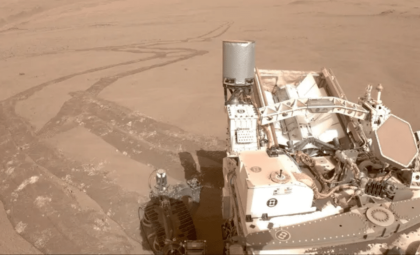
NASA's Perseverance rover has revealed that water significantly influenced mineral formation throughout Mars' Jezero Crater. After exploring the Martian landscape for over three and a half years, the rover found that geologically distinct rocks share common mineral signatures, highlighting a past marked by abundant water shaping much of the region.
This discovery stems from research led by Elise Clavé at the Institute of Space Research in Berlin, detailed in the Journal of Geophysical Research: Planets. The study identifies three main rock types containing surprisingly similar mineral compositions, suggesting that water's role extended well beyond isolated areas in Mars’ terrain.
Different Rock Types with Identical Minerals
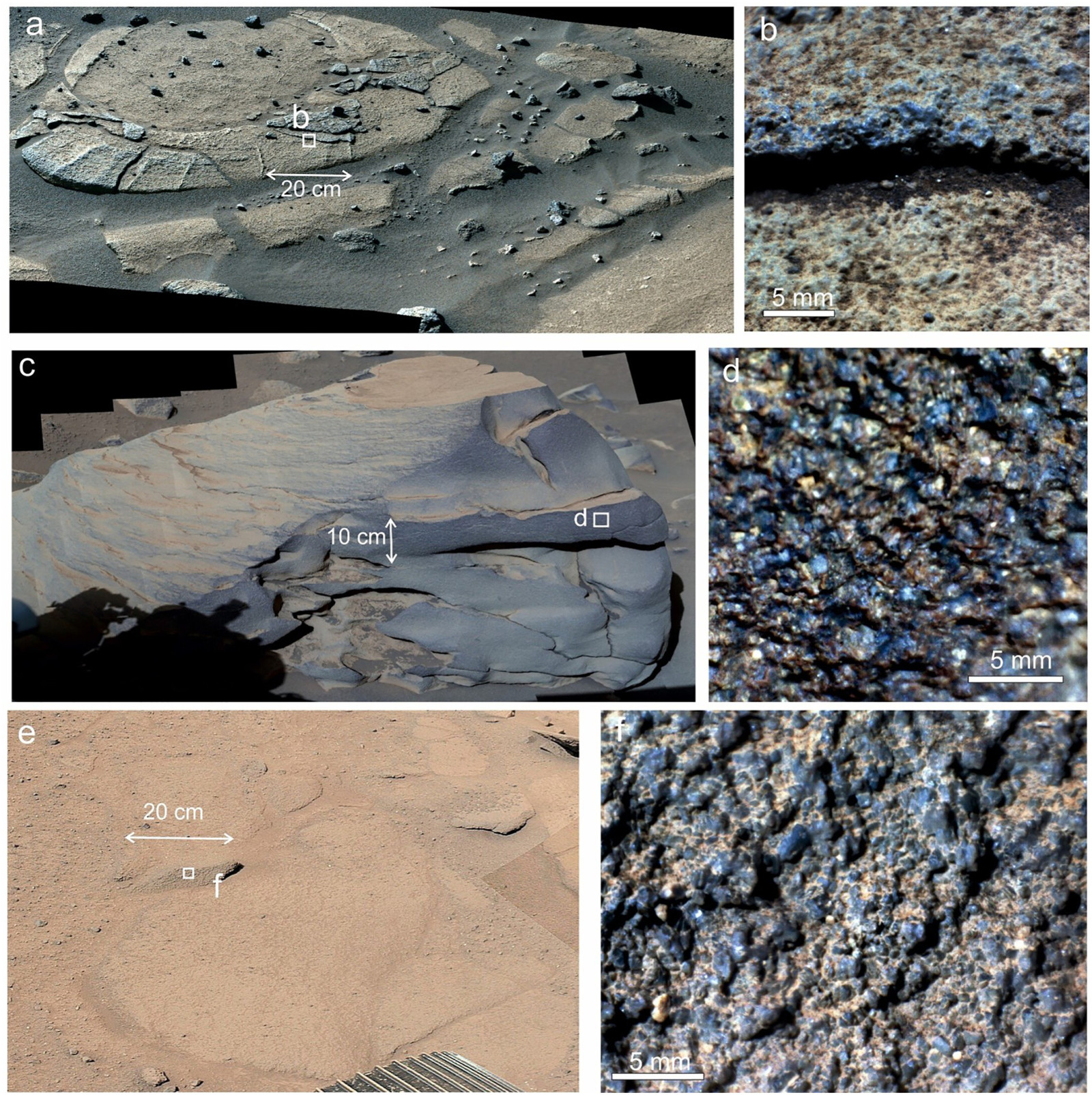
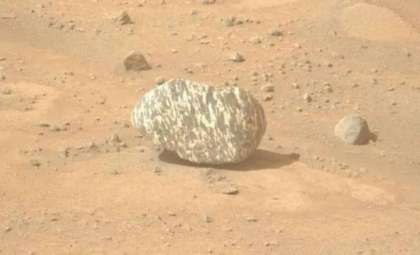
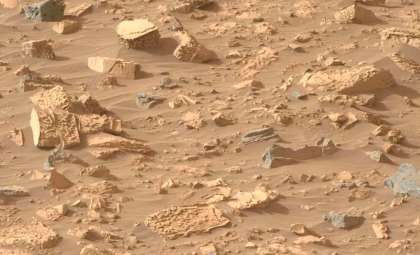
During its mission, Perseverance examined three primary rock formations. Elise Clavé and collaborators highlighted that igneous rocks are located on the crater floor and margins, whereas sedimentary rocks found in the western region were likely transported and deposited by ancient water flows.

“Three of these units are dominated by mafic to ultramafic rocks: the igneous rocks of Séítah (olivine cumulate on the crater floor), the sedimentary rocks of the Upper Fan (Western delta) and the Margin Unit, of likely igneous origin,” the authors said.
Despite these differing origins, the consistent presence of water-related minerals across all three rock groups underscores how pervasive water’s influence was throughout Jezero Crater.
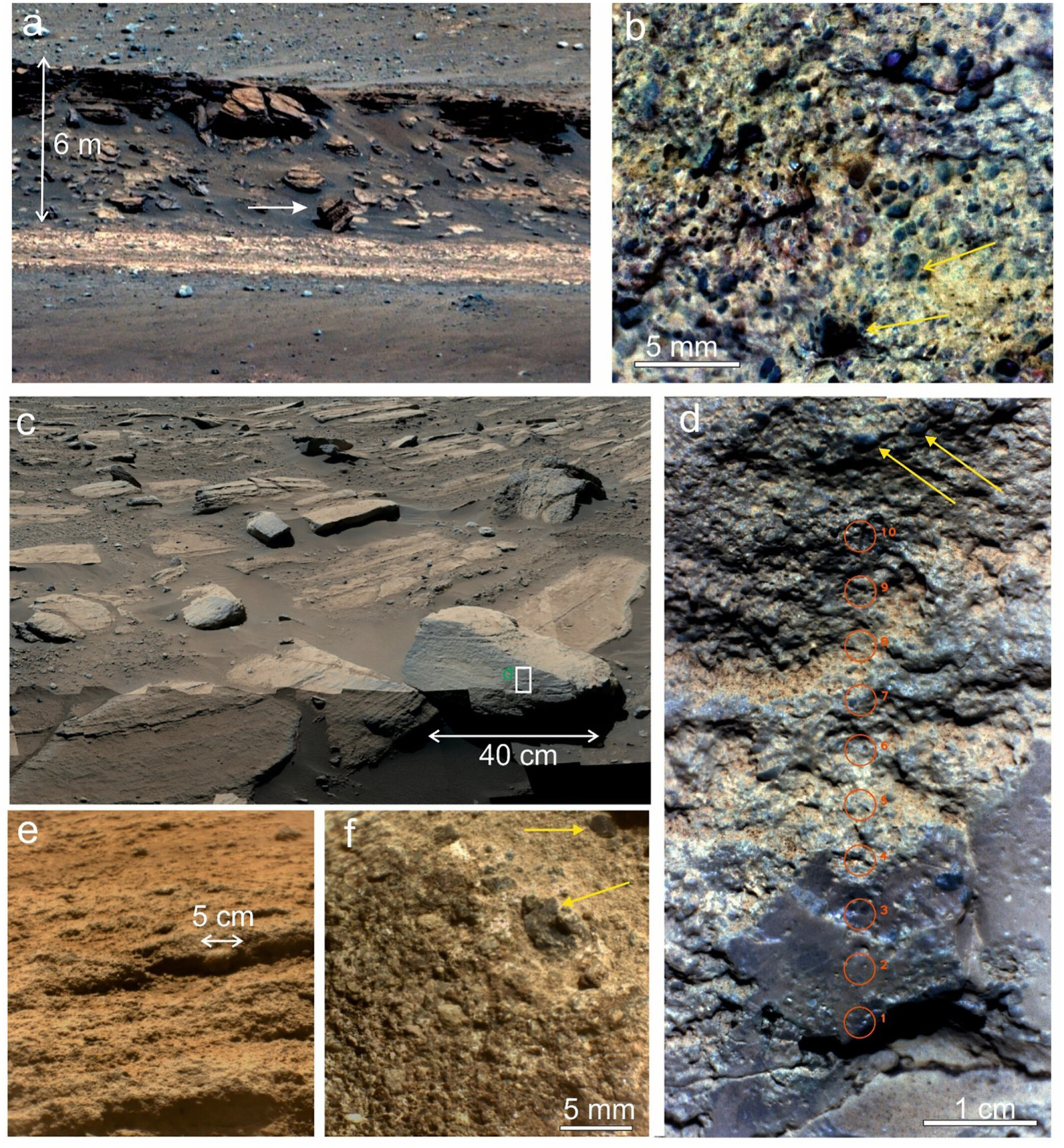
Carbonate minerals stand out in particular. The paper reports that carbonates can comprise as much as 16 percent of some rock samples. These minerals likely formed from chemical interactions between rock and carbon dioxide, facilitated by liquid water, either from the former lake that occupied Jezero Crater or from hydrothermal activity beneath the surface.
Insights from SuperCam Instrument
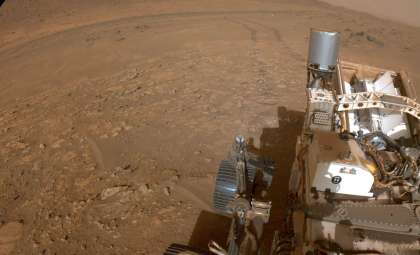
These results were obtained using the rover’s versatile SuperCam, an advanced tool that uses various laser methods to analyze rock composition remotely. This instrument enables researchers to identify both elemental and mineralogical data without direct contact.
The team discovered minerals such as iron- and magnesium-rich carbonates, hydrated silica, and phyllosilicates in all analyzed rock types. Since these minerals typically require water to form, the findings indicate that liquid water influenced diverse rock formations within Jezero Crater, leaving a common mineral imprint.
Could Mars' Climate Have Been Altered?
Clavé and her colleagues propose that the carbonate deposits identified in Jezero’s rocks might have influenced the planet’s climate history. By trapping carbon dioxide within minerals, these processes could have cooled Mars over time, transitioning it from a more hospitable, wetter environment to the cold and arid world observed today.
“These in situ observations may be extrapolated to other carbonate-bearing rocks on Mars and would make the amount of carbon potentially stored in Martian ultramafic rocks overall significant,” stated the study team.
The mineral changes induced by water represent widespread geological processes that contribute to piecing together Mars' evolutionary story across billions of years.
- Categories:
- Nasa







0 comments
Sign in to Comment