
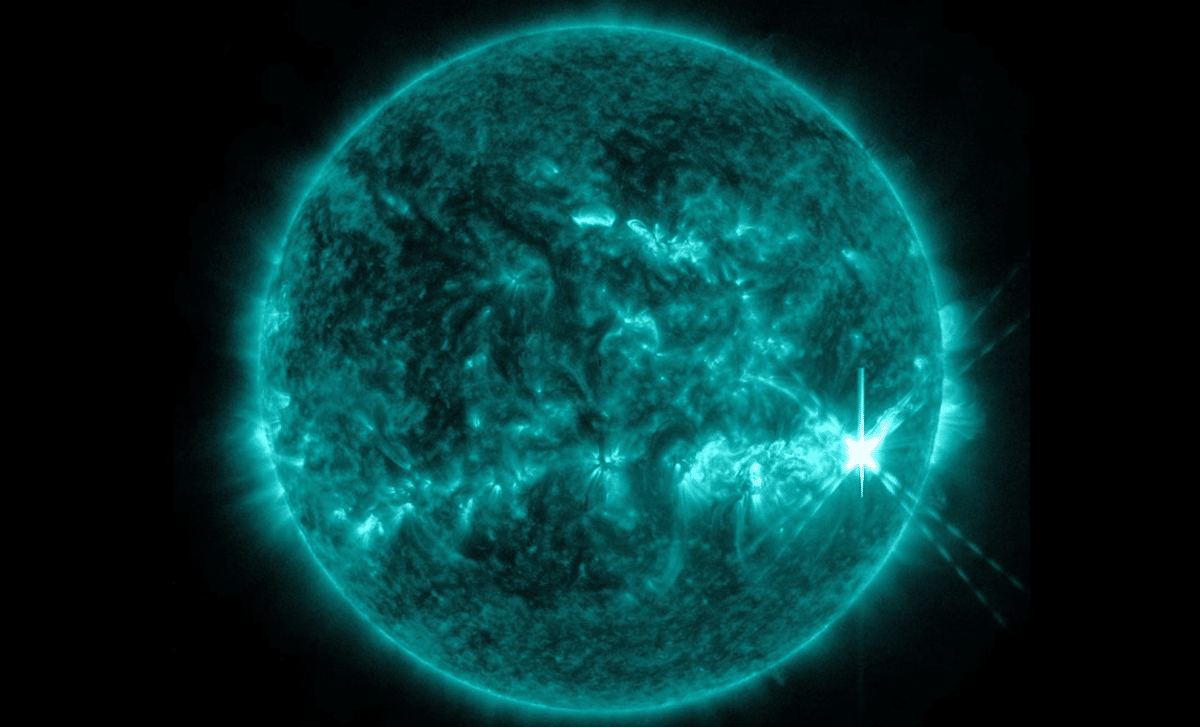
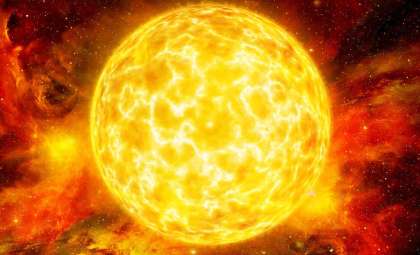
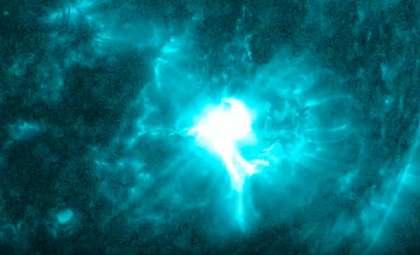
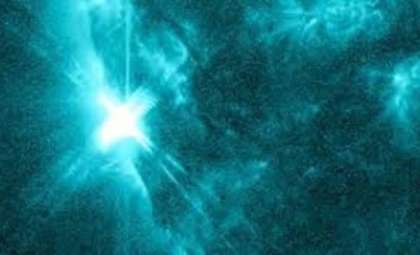
On December 8, 2025, the Sun emitted a significant solar flare, drawing the focus of researchers and space observers worldwide. This flare, designated as an X1.1 event, stands out as one of the most formidable solar outbursts detected during the current solar cycle. NASA’s Solar Dynamics Observatory captured vivid images of this energetic eruption, highlighting its potential impact on Earth and space technologies.
What Are Solar Flares?
Solar flares are sudden bursts of radiation that emerge from the Sun’s outer layers. These eruptions discharge immense amounts of energy across the electromagnetic spectrum, including X-rays and ultraviolet radiation. Solar flares are classified by their intensity, with X-class flares representing the most intense category. As reported by NASA, the flare recorded on December 8, 2025, was an X1.1, indicating a notably strong solar event. Such flares can significantly influence Earth’s communication systems and satellite functionality.
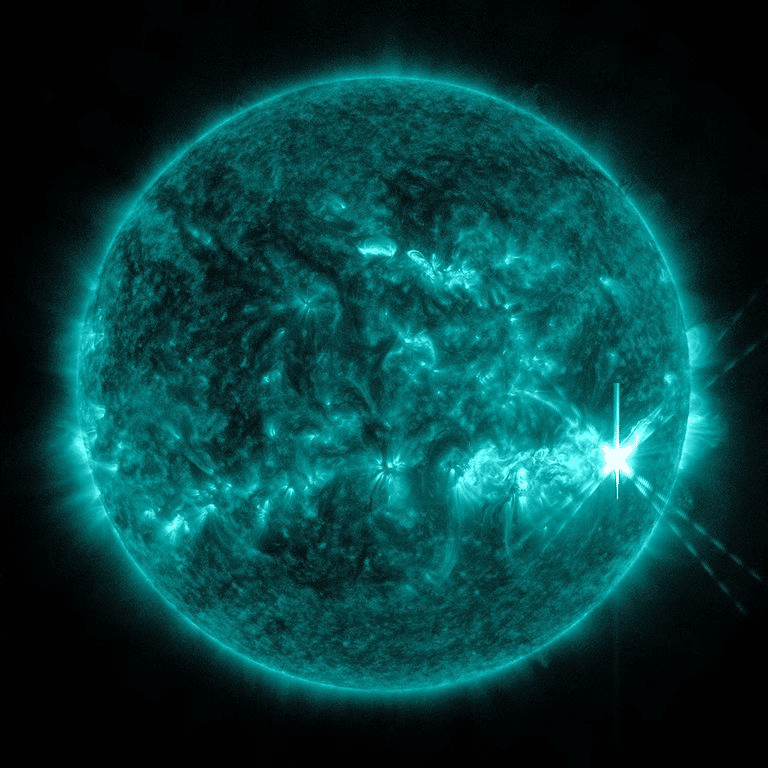
This solar event serves as a reminder of the Sun’s volatile nature and its potential to disrupt advanced technologies. The outpouring of solar energy may interfere with satellite communications, GPS navigation, and even electrical power grids. Increasingly, space weather fluctuations driven by solar activity are an important consideration for both space exploration and terrestrial infrastructure.

Consequences for Space Weather
Gaining a clear understanding of how solar flares influence space weather is vital for anticipating and reducing their effects on Earth. Often accompanied by coronal mass ejections (CMEs), these flares contribute to intense “space storms” that can impact areas far above our atmosphere. Such storm conditions raise space radiation levels, presenting hazards to astronauts and orbiting satellites alike. X-class solar flares may cause brief communication interruptions, especially near the poles, where radio signals can become compromised.
Additionally, heightened radiation from solar flares can jeopardize the integrity of satellite systems, potentially causing malfunctions or irreversible damage. As humanity’s dependence on satellite technology grows, understanding solar flare behavior is increasingly critical for safeguarding space infrastructure.
NASA’s Solar Dynamics Observatory: Monitoring Our Star
The Solar Dynamics Observatory (SDO), launched in 2010, is essential for tracking solar activity like this major flare. It delivers continuous, high-definition images of the Sun, enabling scientists to monitor solar phenomena in real time. Capturing the December 2025 flare allowed researchers to collect valuable data that will further the study of solar dynamics.
Through observations by the SDO, NASA can enhance forecasts for space weather events and their possible repercussions. This information is indispensable not only for protecting space missions but also for shielding Earth-based technologies from solar disturbances, improving our ability to respond effectively.
Impacts on Earth and Human Spaceflight
The occurrence of this solar flare holds particular importance for current space missions and the future of human exploration. Astronauts aboard the International Space Station (ISS) or venturing beyond Earth’s vicinity face elevated radiation exposure during such solar activities. This heightened radiation risk poses significant health concerns, especially for prolonged missions. Accurate knowledge of solar flare patterns helps in planning safe travel to destinations like the Moon and Mars.
Beyond spaceflight safety, solar flares can affect terrestrial technology, disrupting GPS signals, aviation communications, and critical systems worldwide. With an increasing reliance on satellites for communication, navigation, and forecasting, it becomes essential to shield these assets against unpredictable solar phenomena.
Prospects for Solar Cycle 25
This flare is part of Solar Cycle 25, a phase of intensified solar activity that commenced in 2019 and is projected to peak around 2025. As solar activity heightens, additional flares and space weather events are expected. Ongoing observation of this cycle will deepen our insight into solar behavior and its effects on Earth. NASA and global space organizations remain vigilant in monitoring solar conditions and sharing updates.
Solar Cycle 25 represents a pivotal period for expanding our understanding of space weather. Enhanced knowledge will better equip scientists and engineers to diminish risks and safeguard both space missions and Earth’s technological foundations.
- Categories:
- Space





0 comments
Sign in to Comment