
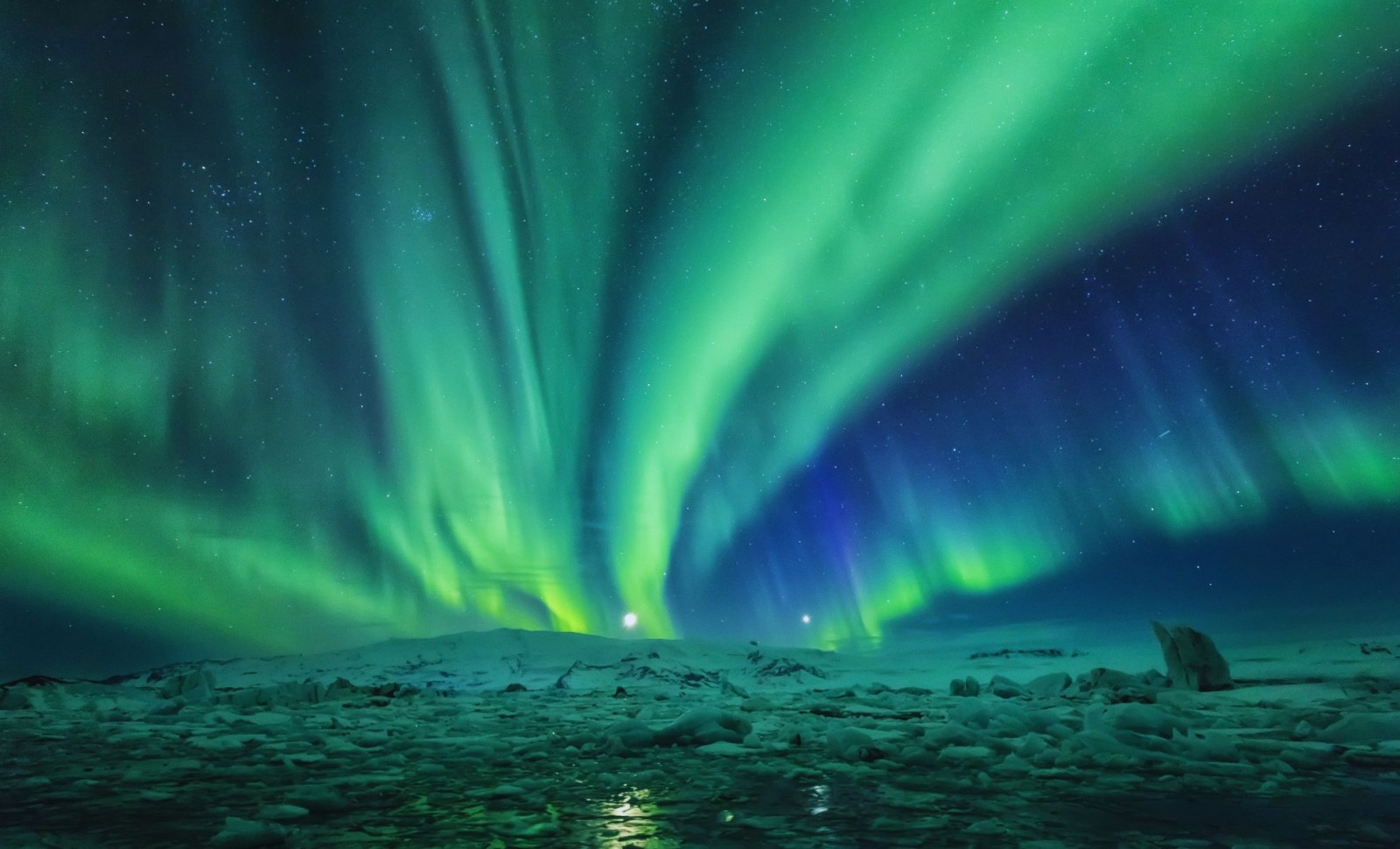
The spectacular northern lights may take a pause this weekend, with forecasts indicating minimal auroral activity in the coming nights. As December progresses, enthusiasts anticipating brilliant aurora displays might find the skies less active than usual. Calm geomagnetic conditions are predicted, lowering the chances for vivid northern lights during this period.
Many had hoped for a final, dazzling aurora display before the year ends, but the latest bulletin from the NOAA Space Weather Prediction Center suggests subdued activity. The geomagnetic environment is expected to remain stable, limiting strong displays mostly to high-latitude regions.
Solar Winds: The Key Forces Shaping Aurora Phenomena
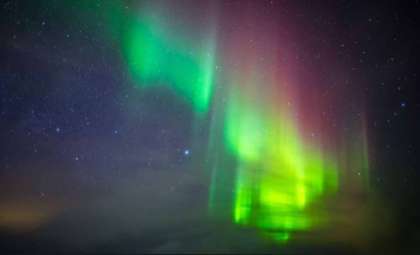
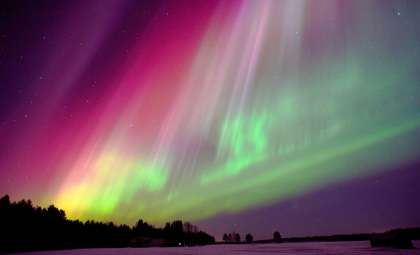
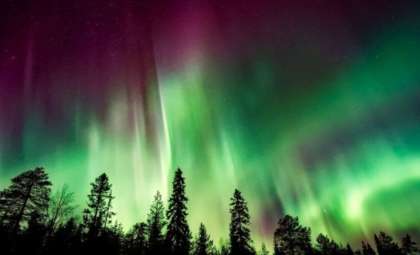
The aurora borealis unfolds when streams of charged particles from solar wind collide with Earth’s magnetic shield. This interaction energizes atmospheric gases, creating the enchanting light shows. When solar wind velocity is reduced and the magnetic field is calm, the auroral glow tends to diminish accordingly.

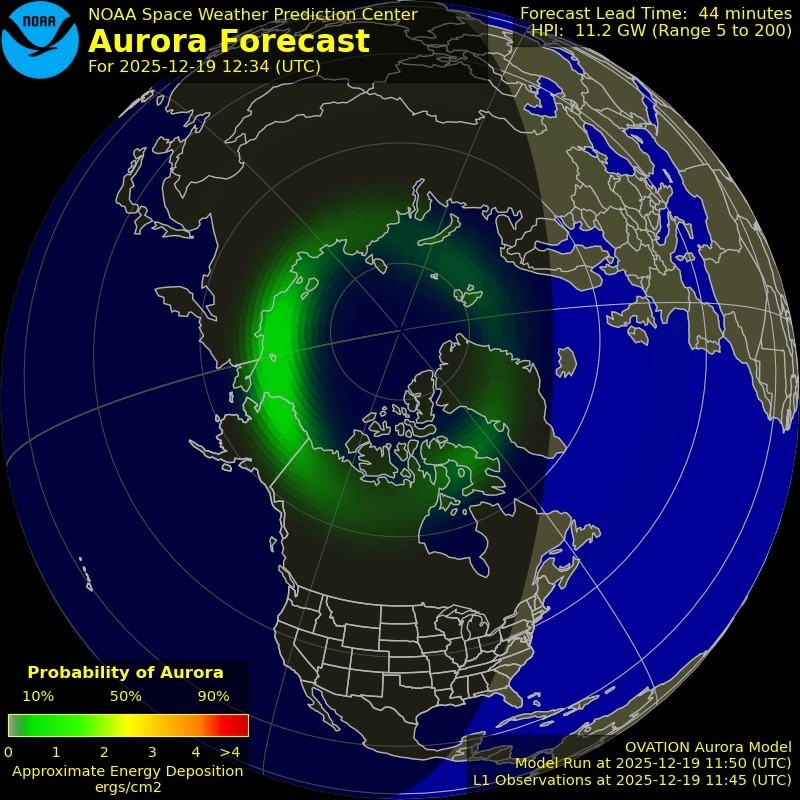
Insights from the NOAA Space Weather Prediction Center reveal that the solar wind has remained subdued recently, leading to this tranquil spell for aurora watchers. Currently, solar activity is low, contributing to a notable "quiet phase" in northern lights displays. While solar wind is the main factor, the interplay with Earth's magnetic orientation also influences how vibrant the auroras can be on any night. Over the next several days, auroras are expected to be less prominent.
Regions Near the Poles Offer the Best Viewing Prospects
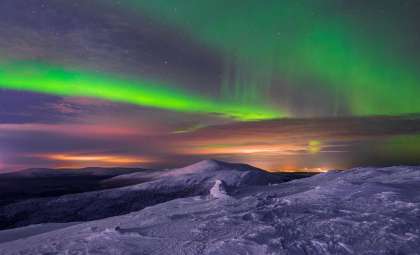
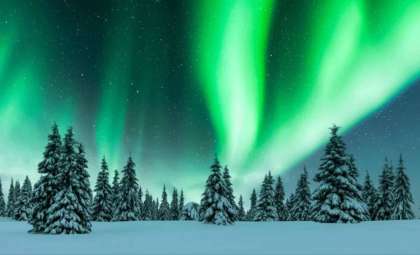
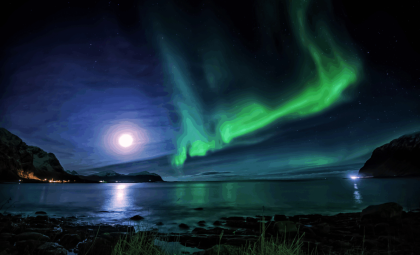
Fortunately, faint auroras will still be visible in select northern locales. Areas such as Alaska, northern Canada, and Scandinavian countries have the highest likelihood of catching glimpses of brief or subtle auroral activity, depending on local weather conditions and darkness levels.
Sadly, viewers located farther south, including parts of the northern United States and Europe, are unlikely to witness any auroral activity during this lull. The auroras rarely reach these latitudes without stronger solar wind forces. Thus, the northernmost areas remain the exclusive stage for these celestial lights. Still, those situated within the aurora zone might find the night sky worth keeping an eye on.
Possible Weekend Surprises in Aurora Activity
While conditions from December 19–20 mostly indicate peaceful skies, solar wind behavior can be unpredictable. Occasionally, small surges may spark brief yet striking northern light shows. NOAA also notes a chance that a sudden uptick late in the weekend could lead to unexpected auroras.
Space weather specialists caution that short-term forecasts of solar wind and geomagnetic shifts carry inherent uncertainties. Therefore, observers should stay updated as minor changes in solar wind could ignite surprising illuminations in the northern skies toward the weekend’s end.
- Categories:
- News




0 comments
Sign in to Comment