
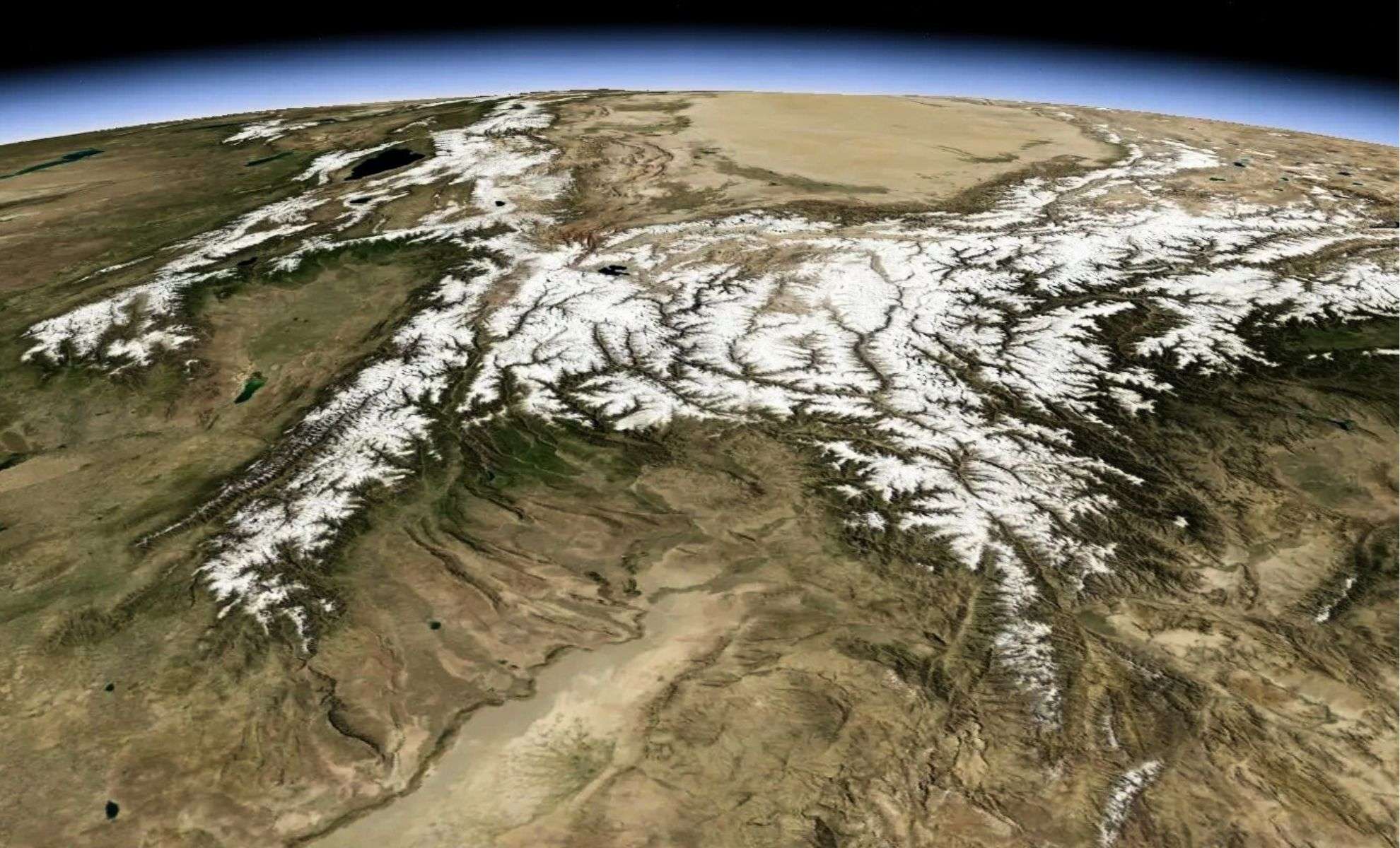
Previously considered resistant to global warming, the Pamir Mountains’ glaciers in Central Asia are now undergoing accelerated melting. A recent publication in Communications Earth & Environment led by glaciologist Francesca Pellicciotti reveals the decline commenced around 2018, largely due to an unexpected and sustained decrease in snowfall.
Known as the globe’s "third pole" because of its vast ice reserves, this area was previously unique. For years, the Pamir and adjacent Karakoram ranges even exhibited slightly expanding glaciers, perplexing climate scientists as other regions rapidly lost ice. However, recent findings indicate that this period of steadiness has ended.
Scientists now report that ice mass loss in these glaciers has surged to 0.82 meters of water equivalent annually—almost eight times the loss measured during 1999–2018.

“We’re witnessing the collapse of what was once considered a climate refuge,” says Pellicciotti, a glaciologist with ETH Zurich. “It’s a sharp reminder that no place is immune.”
Shift in Snowfall Patterns
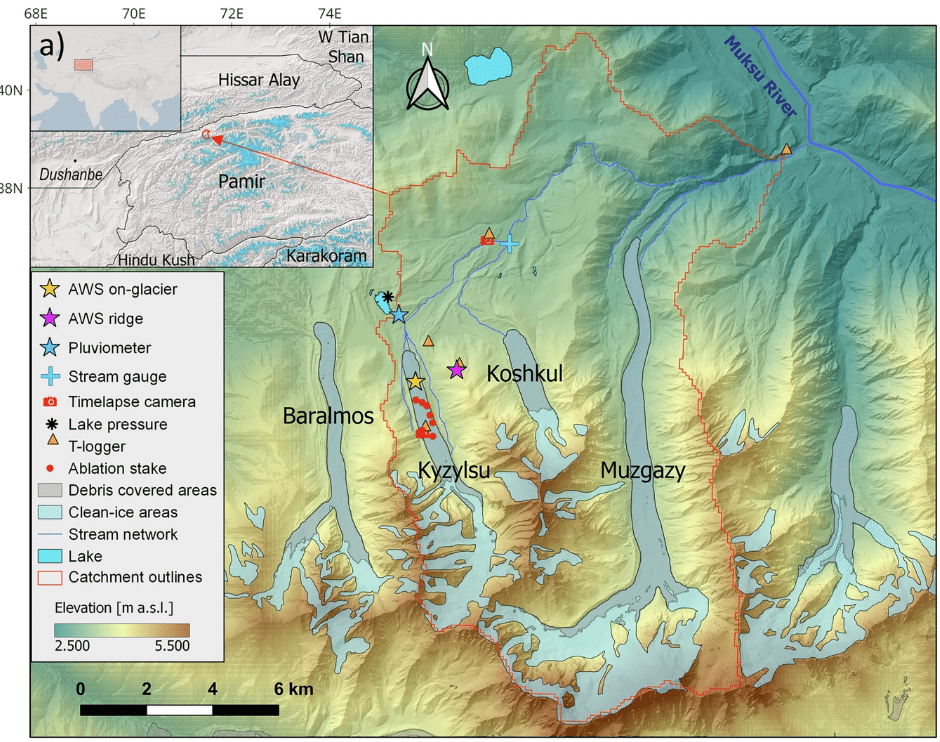
The investigation is grounded on a comprehensive 24-year reconstruction using a fine-scale land surface model integrated with local measurements from the Kyzylsu catchment in Tajikistan. This secluded glacier-filled valley in the northwest Pamirs provides essential waters to millions downstream.
Since 2018, the area has seen snowfall drop by nearly 25%, with snowpacks becoming thinner and melting earlier during spring. Importantly, this trend isn’t solely due to rising temperatures, but is also driven by an overall reduction in precipitation, especially snowfall.
Data from meteorological stations indicate that between 1999 and 2018, average yearly snowfall was about 617 mm, but in the last five years, this has decreased to approximately 470 mm. Reduced snow limits glacier insulation and surface reflectivity, accelerating ice melt.
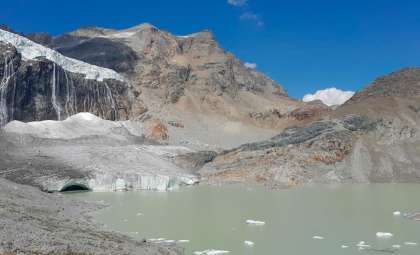
Declining snow cover not only quickens glacier shrinkage but also decreases surface albedo, intensifying local warming effects. The report links these changes to increased ice melt during summer months, with July 2022 experiencing record air temperatures at 3,579 meters, averaging a staggering 10.4°C, markedly above freezing.
The previously balanced ice mass of the Kyzylsu Glacier has shifted dramatically negative. Moreover, snow delivered by avalanches, a prior contributor to glacier maintenance, has been halved during the same timespan.
Increased Meltwater Risks Future Water Security
Though melting ice initially boosts water availability, this surge is short-lived. Meltwater currently helps counterbalance runoff reductions caused by the snowfall deficit—but only temporarily.
The study’s model, simulating snow, ice, and hydrological processes at 100-meter resolution, reveals that now 31% of runoff originates from melting glaciers, up from 19% ten years earlier. Still, total annual runoff is declining, posing urgent threats to communities and agriculture in countries like Uzbekistan and Turkmenistan, dependent on the Amou Darya river sourced by Pamir glaciers.
In regions such as Roghun, site of Tajikistan’s ambitious hydropower dam project, diminishing glacier inflows threaten future water reserves and seasonal flows, undermining energy stability.
“We’re already seeing the water peak,” notes Dr. Simone Fatichi, co-author of the study. “Once the glaciers are gone, that buffer is gone too.”
Unraveling the Causes and Prospects
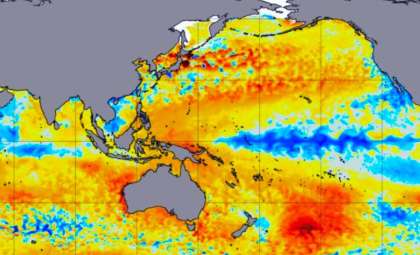
The study stops short of identifying a definitive cause for the snowfall downturn but highlights large-scale atmospheric influences. Researchers suggest that alterations in Western Disturbances—key mid-latitude weather systems—and interactions involving ENSO and the Pacific Decadal Oscillation may be disrupting moisture transport to the region.
Interestingly, the snowfall-to-rain ratio has remained fairly consistent, indicating that the decline is not due to warmer air converting snow into rain, as seen elsewhere. Rather, there is simply less frozen precipitation, especially above 4,000 meters, where glaciers accumulate the majority of their snow.
While future climate models from CMIP6 suggest a possible rise in Central Asian precipitation by century’s end, the form this precipitation takes—snow or rain—depends heavily on warming rates, adding uncertainty to glacier sustainability in the decades ahead.
- Categories:
- Science ,
- Climate change



0 comments
Sign in to Comment