
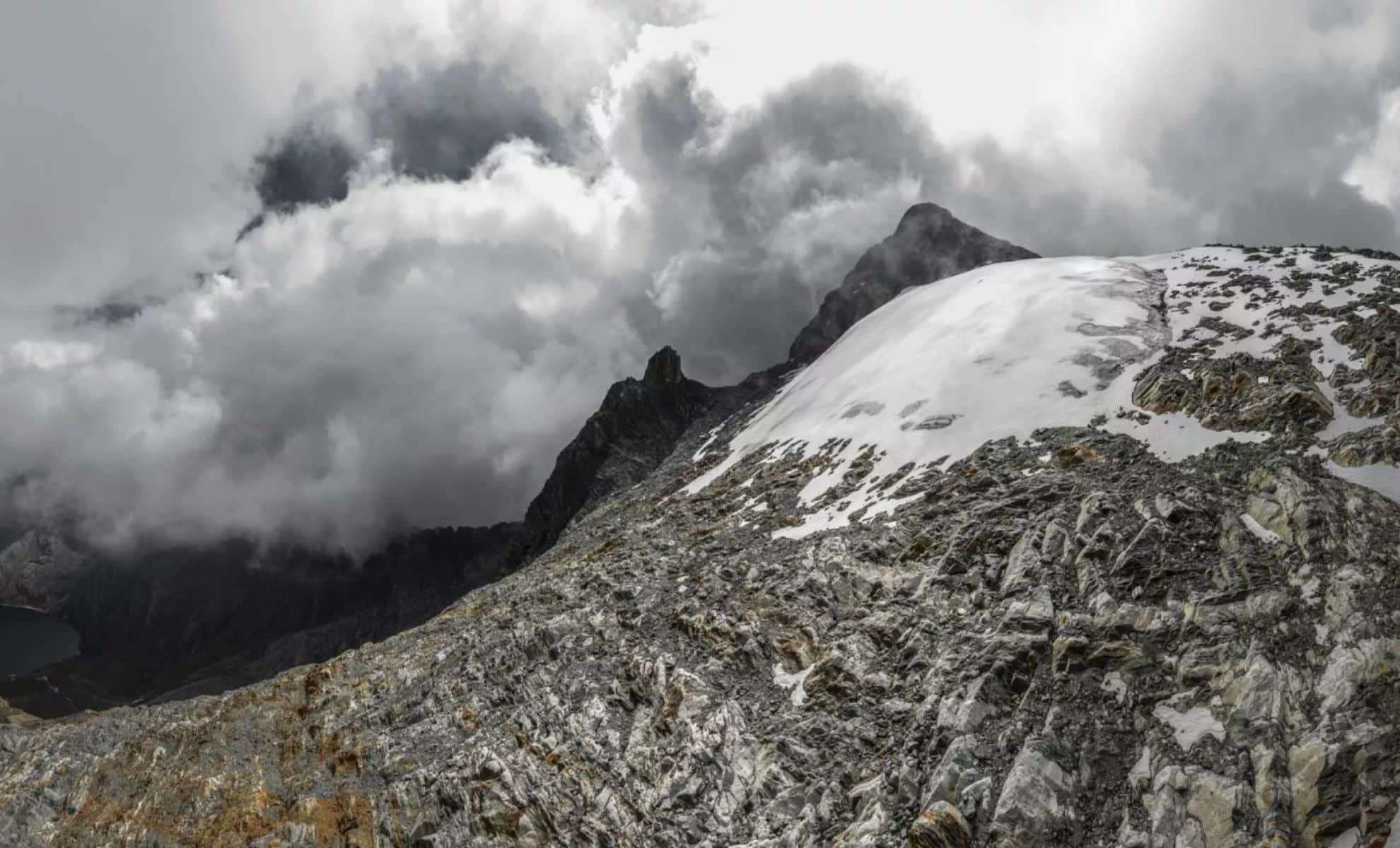
Venezuela has officially seen the complete disappearance of its glaciers. The Humboldt Glacier, once the nation's last remaining ice mass and a symbol of endurance amid a unique climate, has now vanished entirely.
Recent findings reveal that this glacier, which had gradually diminished over time, no longer exists.
The End of Humboldt Glacier: What It Represents
Experts from the Cryosphere Climate Initiative recently confirmed the demise of Humboldt Glacier, which had once stretched over a significant area.

Currently, it measures a mere two hectares, too small to qualify as a glacier. This loss underscores the rapid environmental transformations unfolding around the globe.
The Humboldt Glacier, named after the renowned explorer and naturalist Alexander von Humboldt, was historically the largest glacier at this latitude. Humboldt, a trailblazer in environmental science, cautioned in the 19th century about the far-reaching consequences of human activities on nature.
His forewarnings resonate deeply today as the reality of climate change becomes increasingly evident.
Humboldt anticipated that ongoing ecological disturbances could lead to devastating outcomes.
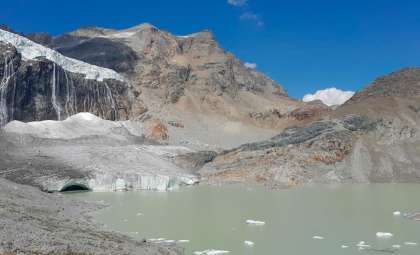
The loss of this glacier is more than just the disappearance of a natural marvel; it signals profound environmental changes. As temperatures continue to climb, glaciers all over the world are retreating faster than ever before.
Scientists worry that countries like Slovenia and Venezuela may soon be joined by others in losing their glaciers.
Why Glaciers Disappearing Matters Deeply
Futura-Sciences reports that glacier retreat carries significant consequences, especially for populations relying on glacier meltwater for drinking and agriculture.
In tropical zones like the Andes Mountains, glaciers are essential water sources for millions. Research indicates these glaciers have lost about 25% of their ice mass since the late 19th century.
More alarmingly, these tropical glaciers are melting at a pace ten times faster than the global average.
The primary threat isn’t an immediate rise in sea levels, as commonly thought, but the jeopardy this puts on freshwater availability.
Communities depending on rivers nourished by glaciers for drinking water, farming, and hydroelectric energy face increasing risks as those ice reserves dwindle.
Worldwide Impact and 2025’s Focus on Glacier Conservation
The United Nations has designated 2025 as the International Year of Glacier Preservation.
This initiative seeks to highlight the urgent need to safeguard glaciers globally.
Despite these global efforts, researchers remain pessimistic about halting glacier loss, particularly in tropical regions where ice continues to vanish rapidly.
The extinction of glaciers in Venezuela is not only a national crisis but also a global call to action to confront climate change on a much broader scale.
Venezuela's experience serves as a critical warning that the impacts of global warming are already highly visible across the planet.
- Categories:
- Climate change








0 comments
Sign in to Comment