
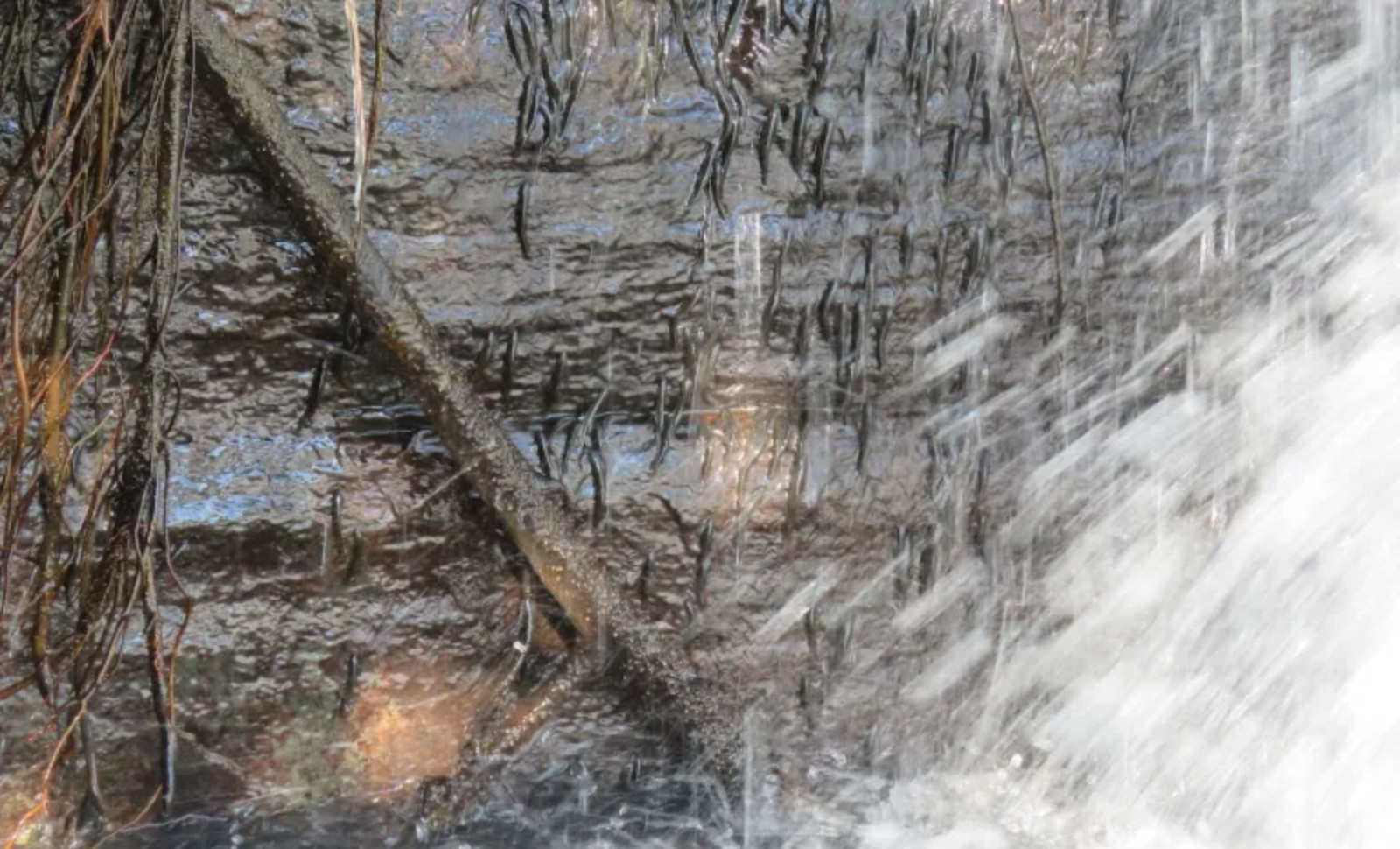
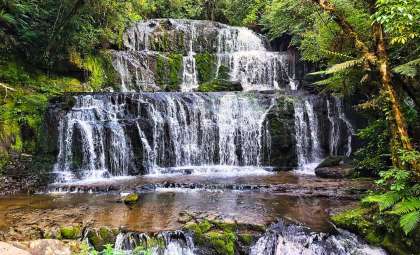
Scientists have documented the remarkable journey of Parakneria thysi, a tiny fish species only about 4 centimeters in length, as they ascend a challenging 15-meter waterfall located in the Democratic Republic of the Congo. This arduous trek across the slick rock face of Luvilombo Falls takes these fish up to 10 hours, revealing a fascinating behavior rarely observed in aquatic life.
Although local communities have long been aware of this climbing fish, it was only during expeditions in 2018 and 2020 that researchers managed to record this phenomenon on video. Their unexpected climbing abilities challenge previous assumptions about the adaptability of freshwater species to extreme environments.
The Mechanics Behind the Climb
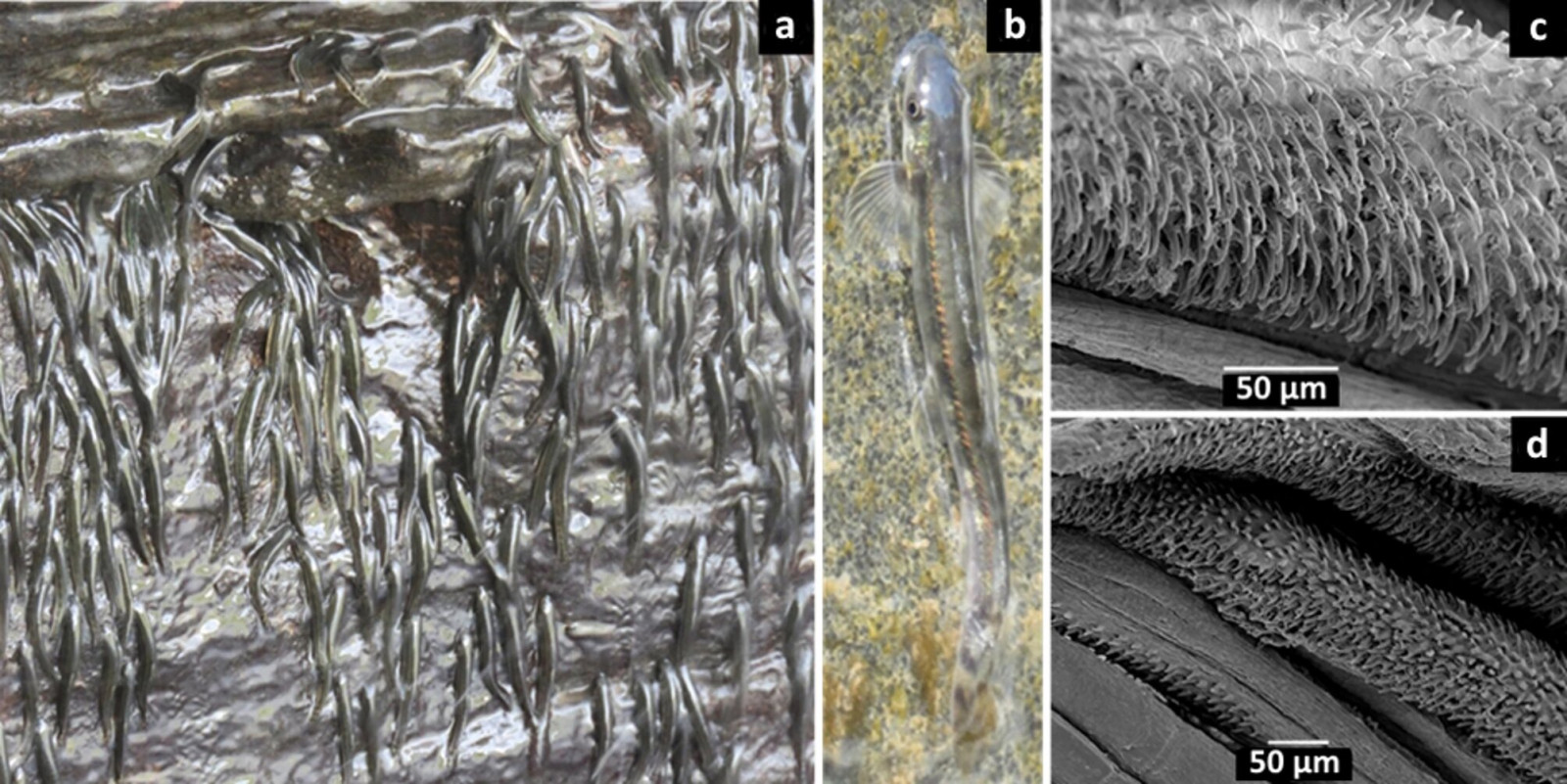
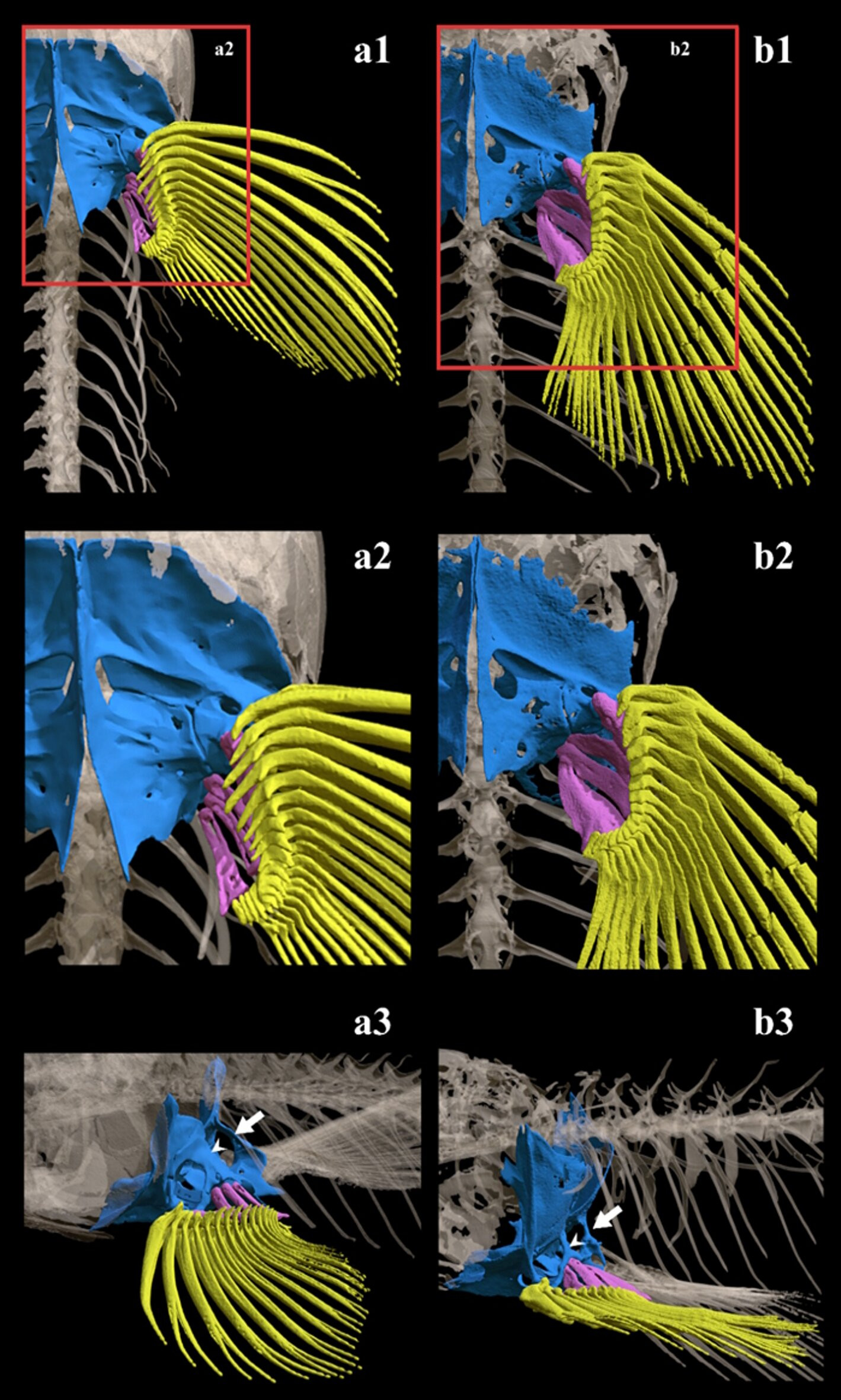
What allows these petite fish to conquer such a vertical obstacle? Unlike some fish that use their mouths to latch on, Parakneria thysi rely on uniquely adapted pelvic and pectoral fins equipped with hook-shaped structures. These specialized fins enable them to anchor onto rocky surfaces, allowing a steady upward movement. The recent study published in Scientific Reports highlights this adaptation. As noted:

“The ability of shellears to climb waterfalls has been known anecdotally for over 50 years. The behaviour is documented here for the first time, with supporting cinematographic and photographic evidence.”
The journey up the waterfall is deliberate and slow. While the climb can take approximately 10 hours, the fish spend the majority of this time pausing on horizontal ledges to rest. Actual climbing activity accounts for only about 15 minutes, interspersed with nine extended breaks and several shorter rests. This cautious progression proves essential to their success.
Optimal Timing for the Ascent
The fish initiate their climb during the transition at the end of the rainy season when river levels subside, making the waterfall climbable. Observations indicate that the fish predominantly climb in the late afternoon, specifically between 4 and 6 pm. This timing likely reduces exposure to powerful currents and predatory threats, such as the silver butter catfish (Schilbe intermedius).
The peak of climbing activity generally occurs in mid-April when water conditions are most favorable. Scientists hypothesize that this migration helps the fish access new feeding zones or escape risky habitats.
Interestingly, the preference for late afternoon climbs may also reflect lower water volumes that facilitate safer passage without being swept away by strong currents.
“Moreover, nine main horizontal ledges where fish seem to rest, for example, for about an hour each, have been identified. It would therefore take an individual fish approximately 9 h and 45 min to cover the entire height of the falls. This suggests that the fish could need almost a whole day or night to fully overcome the falls,” added the study team.
Environmental Challenges to Their Habitat
Despite performing this incredible natural feat, Parakneria thysi faces environmental risks. According to IFLScience, illegal fishing methods such as mosquito netting threaten their populations. Though these nets are prohibited locally, accidental catches continue to endanger the species.
Additionally, water extraction from the river for irrigation purposes can reduce downstream flow, negatively impacting the ecosystem these fish inhabit.
- Categories:
- News







0 comments
Sign in to Comment