
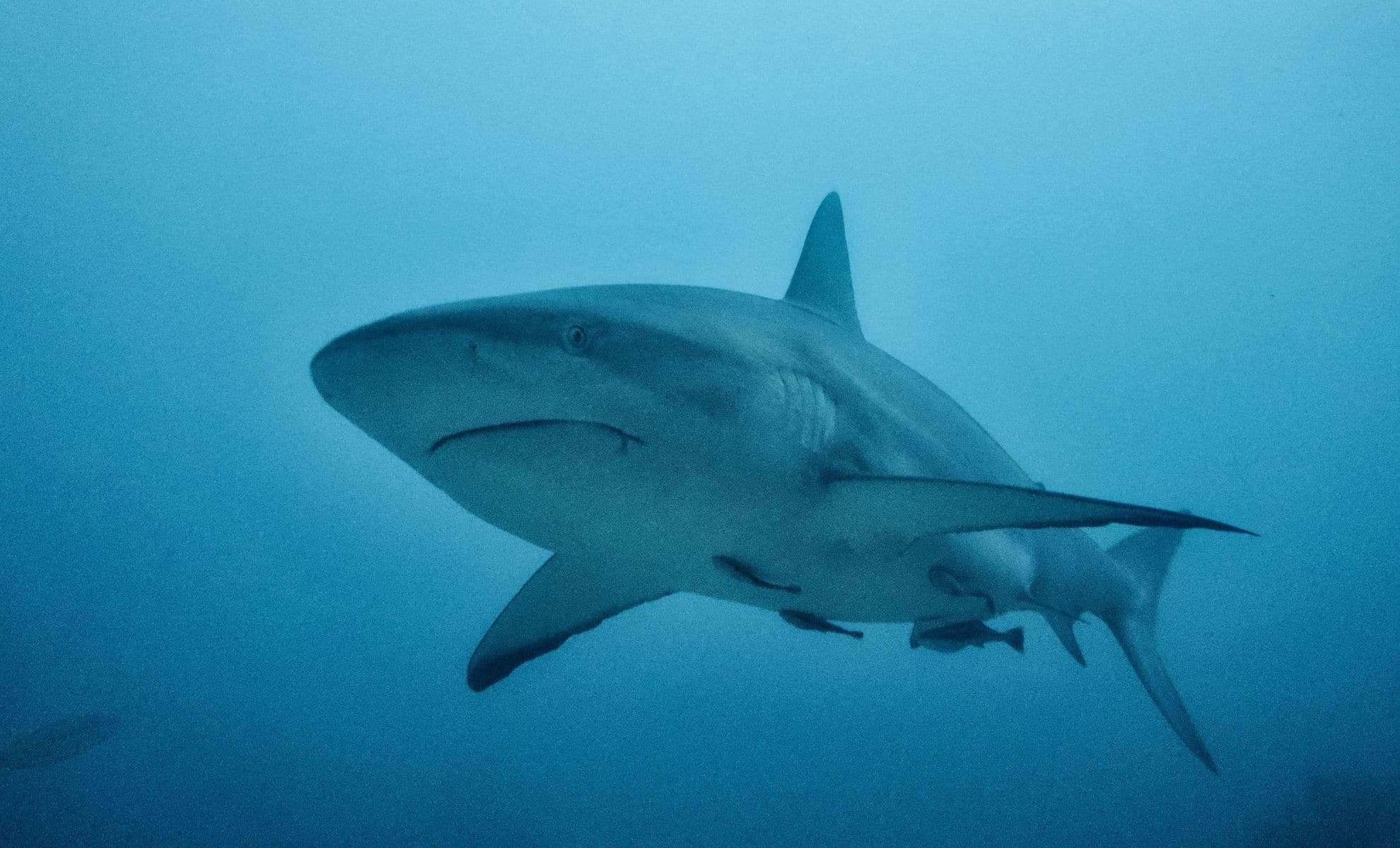
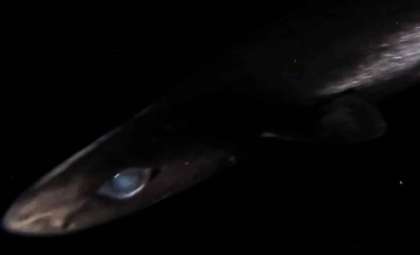
Scientists have made a groundbreaking revelation about the Greenland shark (Somniosus microcephalus), a deep-sea species now known to live for centuries beyond 300 years.
This extraordinary longevity challenges previous assumptions about vertebrate aging and offers new insights into biological aging processes.
Introducing the Deep Ocean’s Aging Giant
Animals Around The Globe reports that the lifespan of the Greenland shark was definitively established in 2016 through radiocarbon analysis of eye lens proteins by an international research collaboration.

The largest shark examined, measuring nearly 16 feet, was dated to be about 392 years old. Considering a possible error of 120 years, its age likely spans between 272 and 400 years.
This finding positions the Greenland shark as the longest-living vertebrate species, exceeding the longevity of the renowned bowhead whale, which can live over two centuries.
These results confirm that Greenland sharks quietly navigate the frigid depths of the Arctic and North Atlantic for multiple centuries.
Extreme Habitat and Slow Metabolism
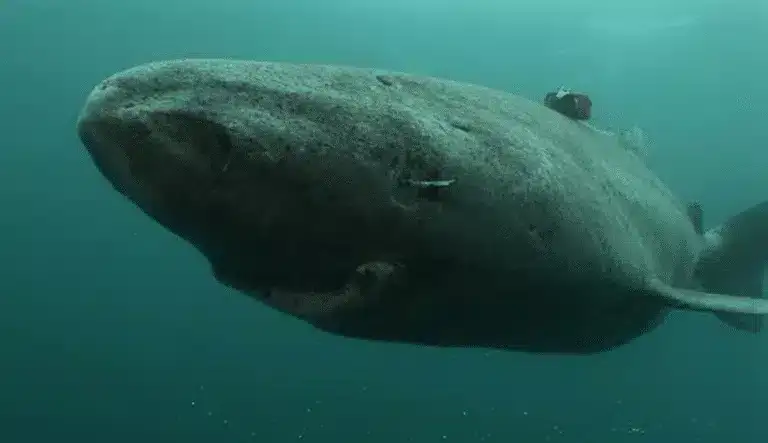
The Greenland shark’s lifespan is thought to be linked to its adaptation to the harsh, chilly environments of the Arctic and North Atlantic Ocean depths.
Preferring depths from 600 to 2,400 feet, these sharks endure waters as cold as 5°C (41°F) or colder.
Moving at sluggish speeds under 1 mph, their slow locomotion contributes to energy conservation, potentially slowing aging.
The cold surroundings dramatically lower their metabolic rate, which is believed to delay physiological aging.
Despite their impressive size—sometimes growing up to 21 feet and weighing around 2,200 pounds—Greenland sharks are far slower swimmers than most oceanic predators.
Decoding the Age Puzzle
Determining the Greenland shark’s age posed a unique problem since they lack calcified structures commonly used to assess growth in other species.
Scientists overcame this by analyzing proteins embedded in the sharks’ eye lenses, which form during embryonic stages and remain constant throughout life.
Employing radiocarbon dating alongside growth models allowed researchers to develop precise aging estimates.
These sharks grow at an extremely slow pace, approximately 0.5 to 1 centimeter annually.
As a result, females reach sexual maturity only after about 150 years, representing one of the longest maturation periods among animals.
Their prolonged development cycle, together with a low reproduction rate, poses unique biological phenomena in longevity studies.
Feeding Strategies and Predatory Behavior
Though slow swimmers, Greenland sharks are opportunistic and capable hunters. Their main diet includes fish like halibut, cod, and redfish, but they also scavenge marine mammals such as seals and polar bears. Remarkably, their prey extends to terrestrial animals including reindeer, moose, and horses that have entered the ocean.
This varied diet demonstrates their adaptability and opportunistic nature.
Hunting mostly under the cover of polar night, they exploit darkness for stealth.
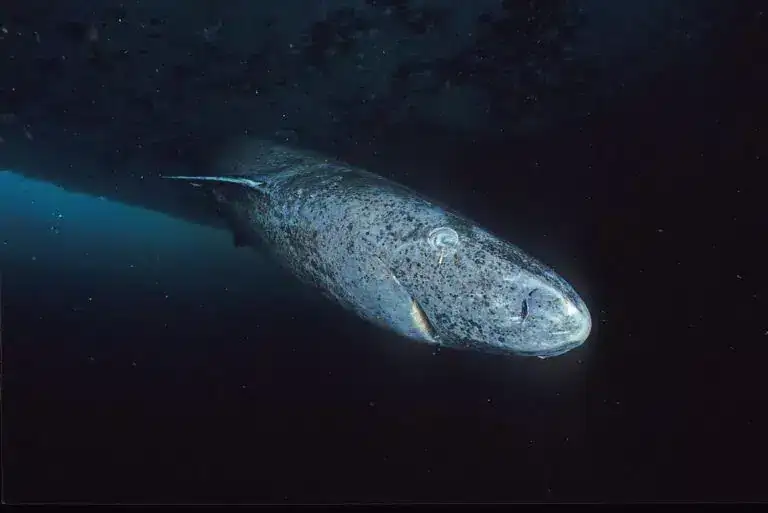
Many sharks carry parasitic copepods that cloud their vision, leaving them functionally blind.
The combination of slow movement and diverse feeding habits seems to play a role in the Greenland shark’s ability to thrive in such an unforgiving habitat.
- Categories:
- Nature








0 comments
Sign in to Comment