
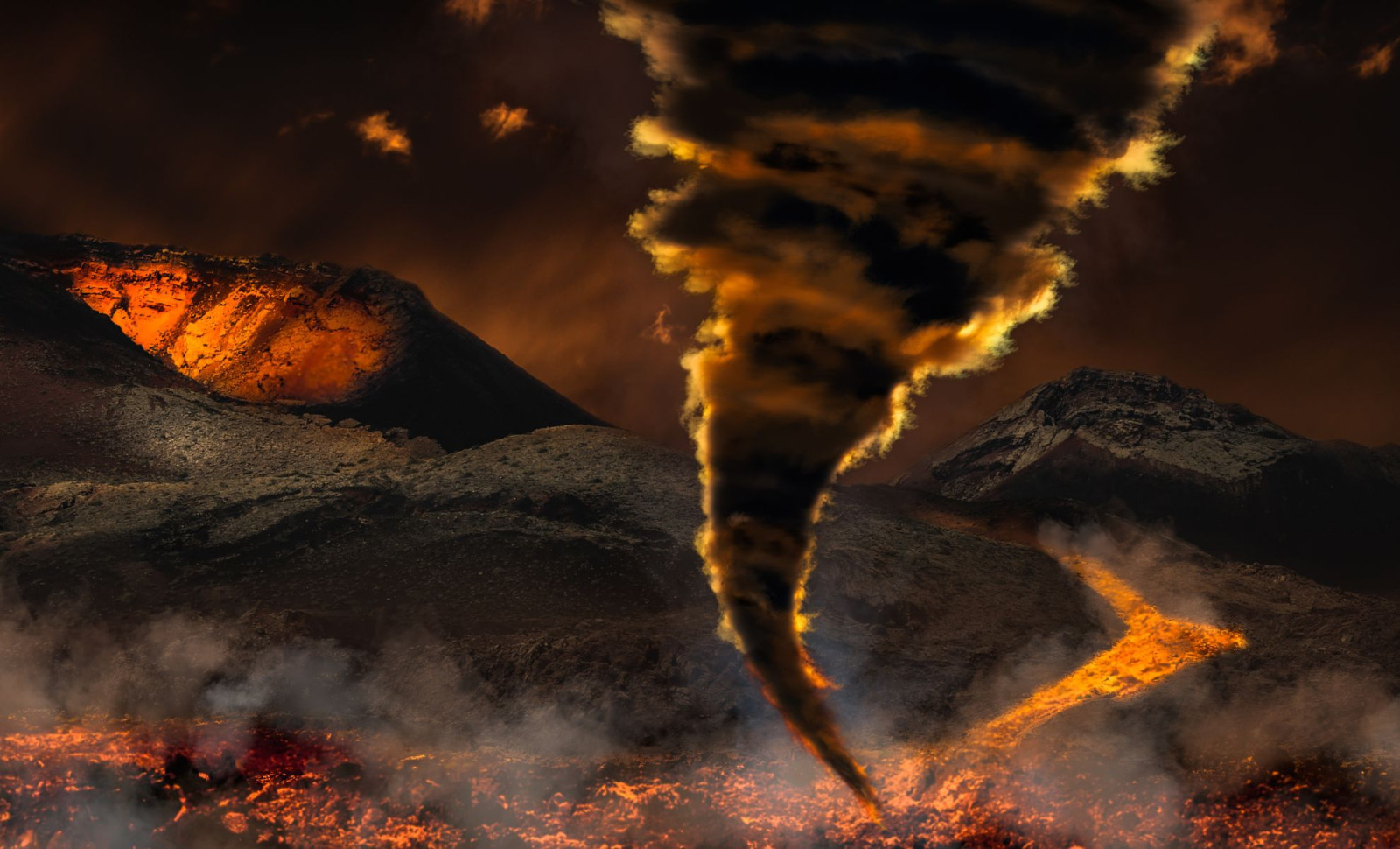
A team of scientists has engineered enormous fire tornadoes that may revolutionize the cleanup of offshore oil spills by burning the oil considerably faster and with less environmental harm. These spiraling flames consume oil more thoroughly than conventional burning techniques, lowering toxic emissions while targeting nearly the entire spill.
Oil spills persist as among the most damaging threats to marine ecosystems, often proven difficult to manage due to slow and inefficient remediation methods. Researchers at Texas A&M University now propose fire whirls—intense, rotating flames—as a superior method to rapidly combust oil while minimizing harmful pollutants.
Enhanced Combustion via Fire Whirls
During a large-scale trial, the scientists demonstrated how fire tornadoes could outperform traditional burning approaches by accelerating oil consumption with fewer toxic byproducts. According to Dr. Elaine Oran, aerospace engineering professor at Texas A&M, these fire whirls produce significantly hotter flames than stationary oil fires.

The spinning vortex draws in greater oxygen, enabling more efficient combustion that can eradicate up to 95% of spilled oil while cutting soot emissions by nearly 40%.
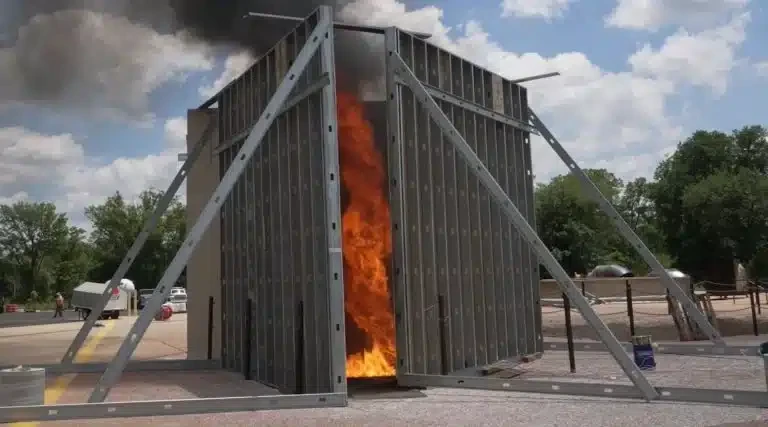
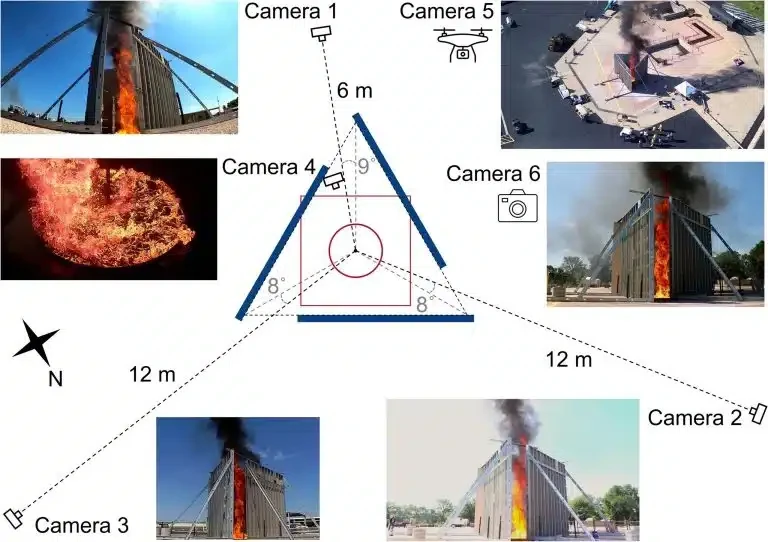
As outlined in their publication in Fuel, the experiment at the Texas A&M Engineering Extension Service involved generating a 17-foot-tall fire whirl using a custom triangular airflow design around a crude oil pool. The fire whirl consumed the oil at nearly double the speed of conventional in-situ fire pools.
Reducing Pollution for Improved Air Quality
Typical oil spill burns emit thick smoke and soot polluting the air, whereas fire whirls act more like efficient industrial incinerators, breaking down harmful particles during combustion. This results in substantially lower pollutant release, enhancing air quality amid cleanup efforts.
“Our results show that fire whirls, compared to in-situ fires, dramatically reduce overall emissions,” Dr. Oran explained.
This improvement could be vital in future spill responses, where balancing effective cleanup and air pollution is critical. The team is hopeful fire tornadoes will promote cleaner air in affected regions during extensive burning operations.
Tackling Challenges in Scaling Fire Whirls
Despite their promise, fire tornadoes face hurdles in practical use. As noted by Oran, these flames are highly sensitive to environmental conditions and require careful control to form and maintain. The team found that strong winds can disrupt the vortex, and insufficient airflow may cause it to degenerate into a typical fire pool, reducing efficiency.
This delicate optimization means fire whirls must operate within a precise “Goldilocks” zone of conditions. Nonetheless, the researchers remain optimistic that with further refinement, fire tornadoes could be scaled up as an effective tool for tackling future oil spill incidents. In Dr. Oran’s words:
“This study is more than just an experiment; it’s a glimpse into a future where fire isn’t a force of destruction, but a tool to protect our oceans and planet.”
- Categories:
- Science








0 comments
Sign in to Comment