
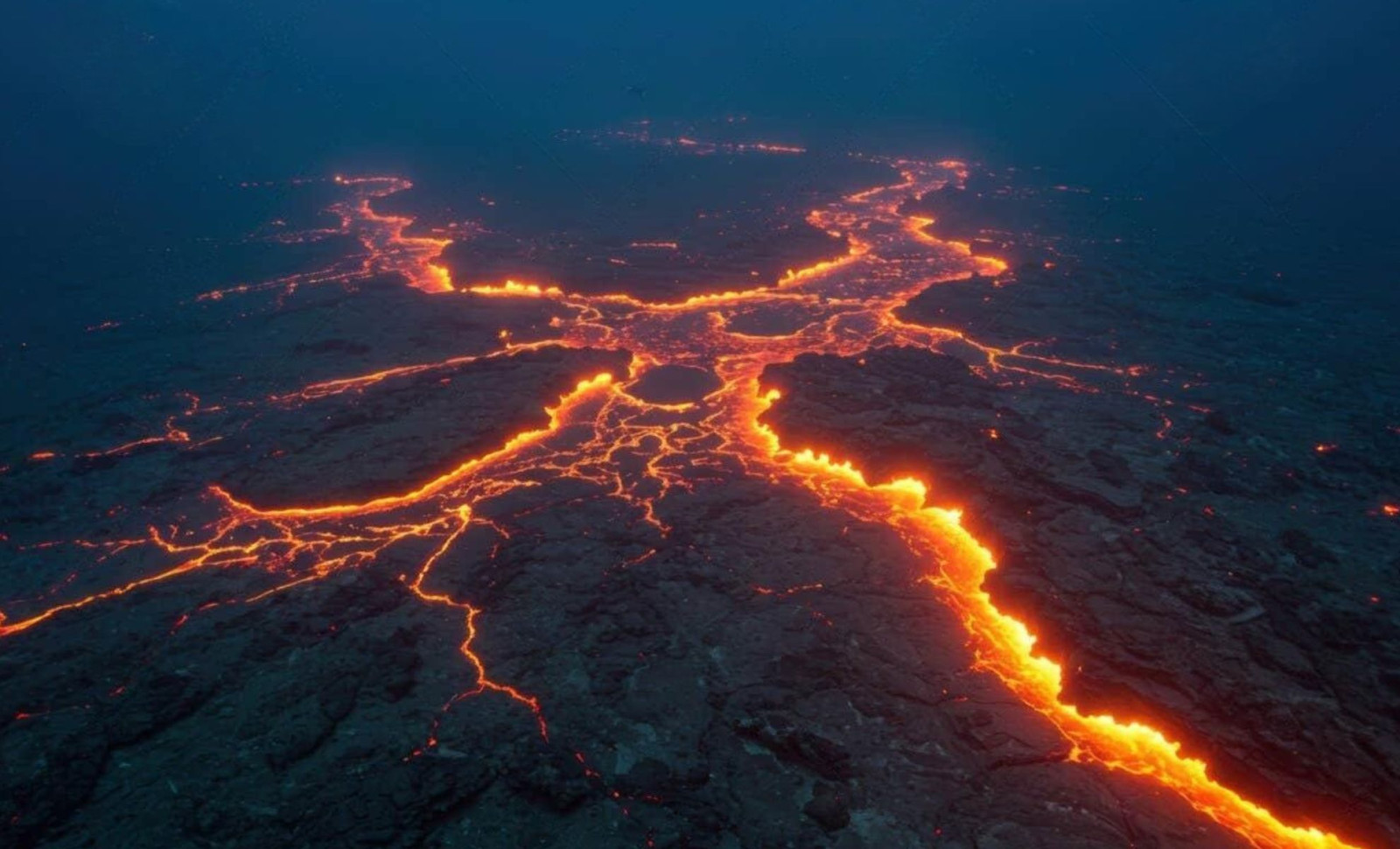
The Ontong Java Plateau, one of the planet’s most massive volcanic formations, influenced more than just the ocean floor—it also altered the oceanic plate beneath it both structurally and chemically.
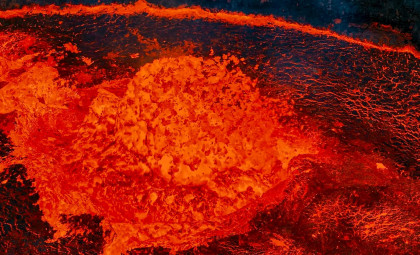
This new research uncovers how vast volcanic events imprint lasting changes deep within the Earth, showing that enormous magma flows penetrate and modify the oceanic crust internally rather than simply covering it in lava.
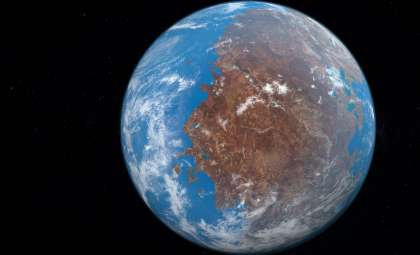
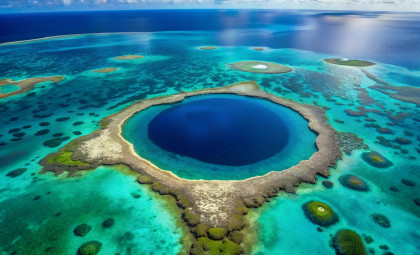
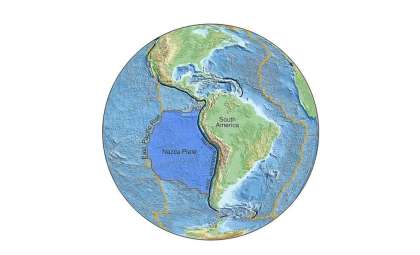
Situated in the western Pacific Ocean, the Ontong Java Plateau (OJP) is Earth's largest oceanic plateau and was formed roughly 110 to 120 million years ago during an extraordinary period of submarine volcanism, generating one of the largest volcanic episodes in Earth’s history.

Scientists have been intrigued by this event due to its potential impacts on ocean chemical composition, climate dynamics, and marine life during that era.
Leading the investigation, Lecturer Azusa Shito of Okayama University of Science, alongside Associate Professor Akira Ishikawa from the Institute of Science Tokyo and Professor Masako Yoshikawa of Hiroshima University, delved beneath the plateau to examine changes within the oceanic plate itself.
Distinctive Features Hidden Beneath the Seafloor
Using high-frequency seismic waves known as Po and So waves, which travel through oceanic plates and can disclose subsurface structures via their velocity and amplitude variations, the researchers probed the plateau’s interior.
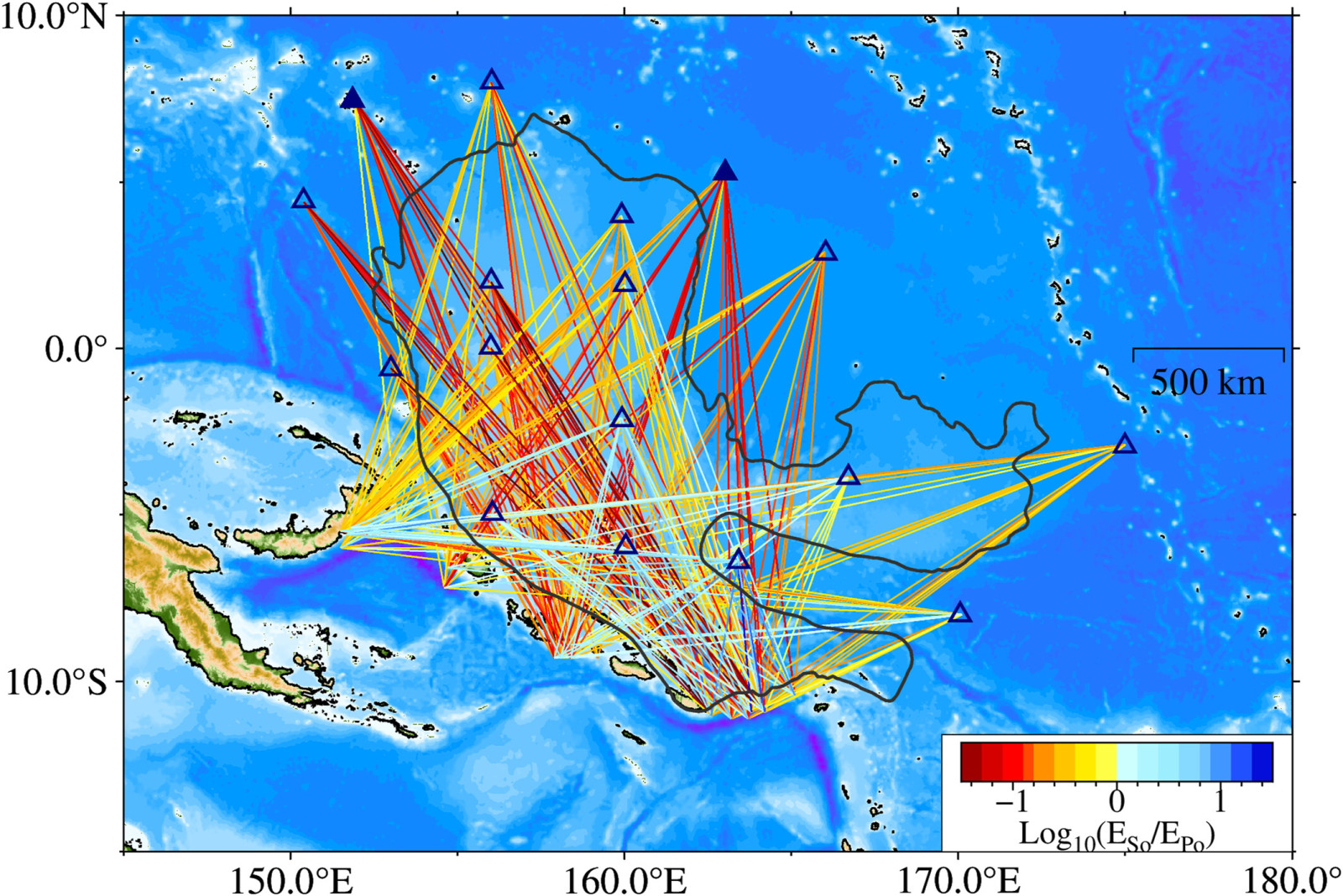
Published in Geophysical Research Letters, their study found that seismic signals beneath the Ontong Java Plateau showed unusual patterns: Po waves propagated effectively, whereas So waves diminished considerably.
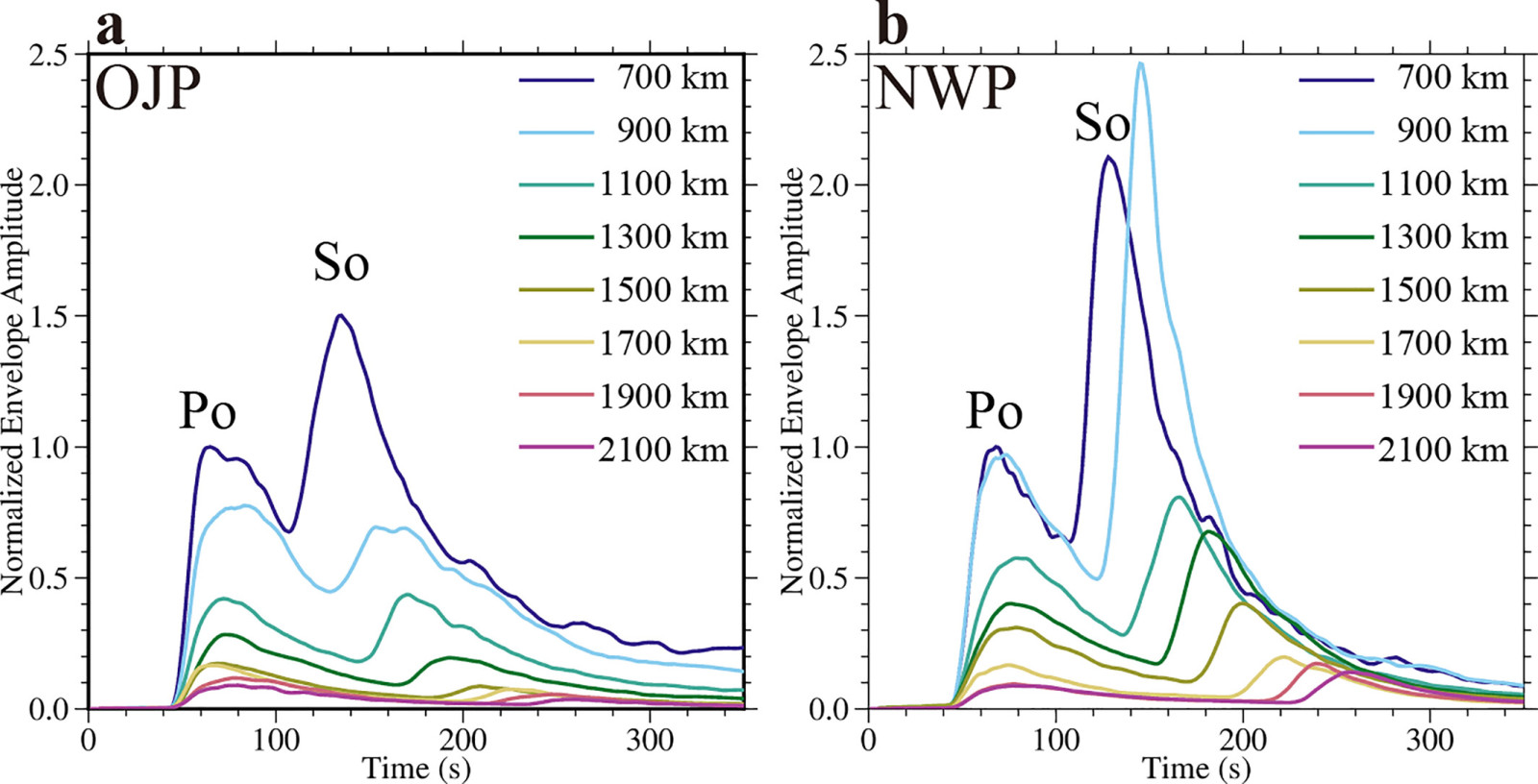
This pattern suggested a complex internal architecture, featuring horizontal layering disrupted by numerous vertical structures created by ancient magmatic movements.
The observations relied on data from ocean bottom seismometers positioned around the plateau and sensors stationed on adjacent islands, enabling the team to reveal the hidden subsurface formations beneath the ocean bed.
Subterranean Magma Highways
Discoveries revealed clusters of vertical intrusions known as dike swarms, which form when magma intrudes fractures and solidifies, carving out pathways within the plate.
These findings imply that during the plateau’s formation, molten rock forced its way up through the ancient oceanic lithosphere, establishing a subterranean network instead of just erupting at the seafloor surface.
The coexistence of horizontal layers and vertical dikes accounts for the distinct seismic wave patterns observed; some waves easily navigated the stratified layers, while others were impeded by the magma intrusions.
This expands understanding of how colossal volcanic provinces arise, showing the Ontong Java eruption not only forged an immense submerged plateau but also embedded a sophisticated internal magma network that has endured for millions of years.
Magma Altered Subsurface Rock Composition
Seismic waves beneath the Ontong Java Plateau traveled more slowly than normal, signaling that the underlying rocks had been fundamentally changed.
The researchers concluded that the altered wave speeds could not arise solely from fracturing. Instead, they posit that magma associated with a thermochemical mantle plume modified the mantle surrounding it through a process called refertilization, changing the rock’s chemical makeup.
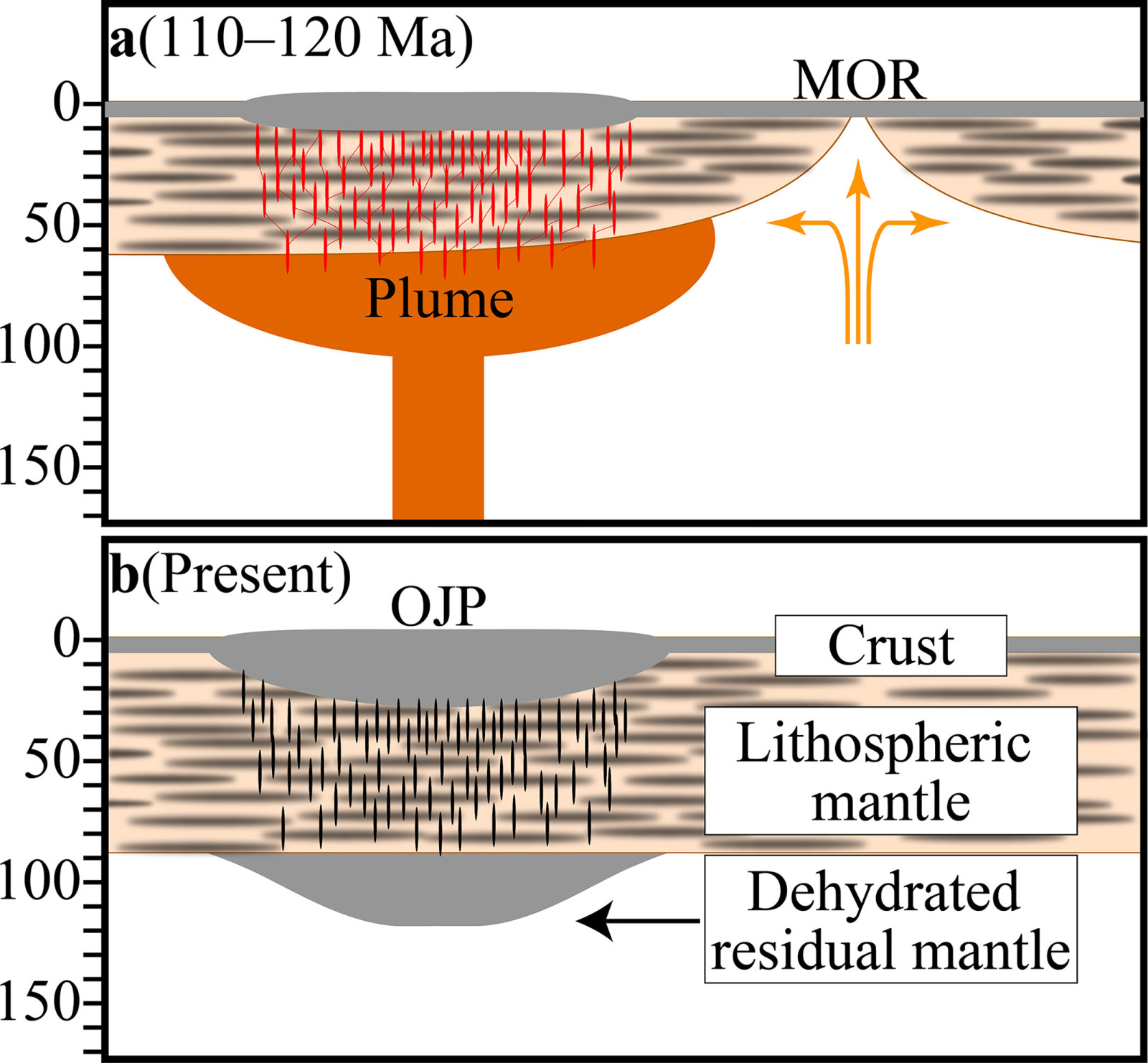
Refertilization occurs when magma replenishes chemical elements in mantle rocks that were depleted during melting. This process alters mineral composition and impacts the rocks’ physical properties.
- Categories:
- Science





0 comments
Sign in to Comment