
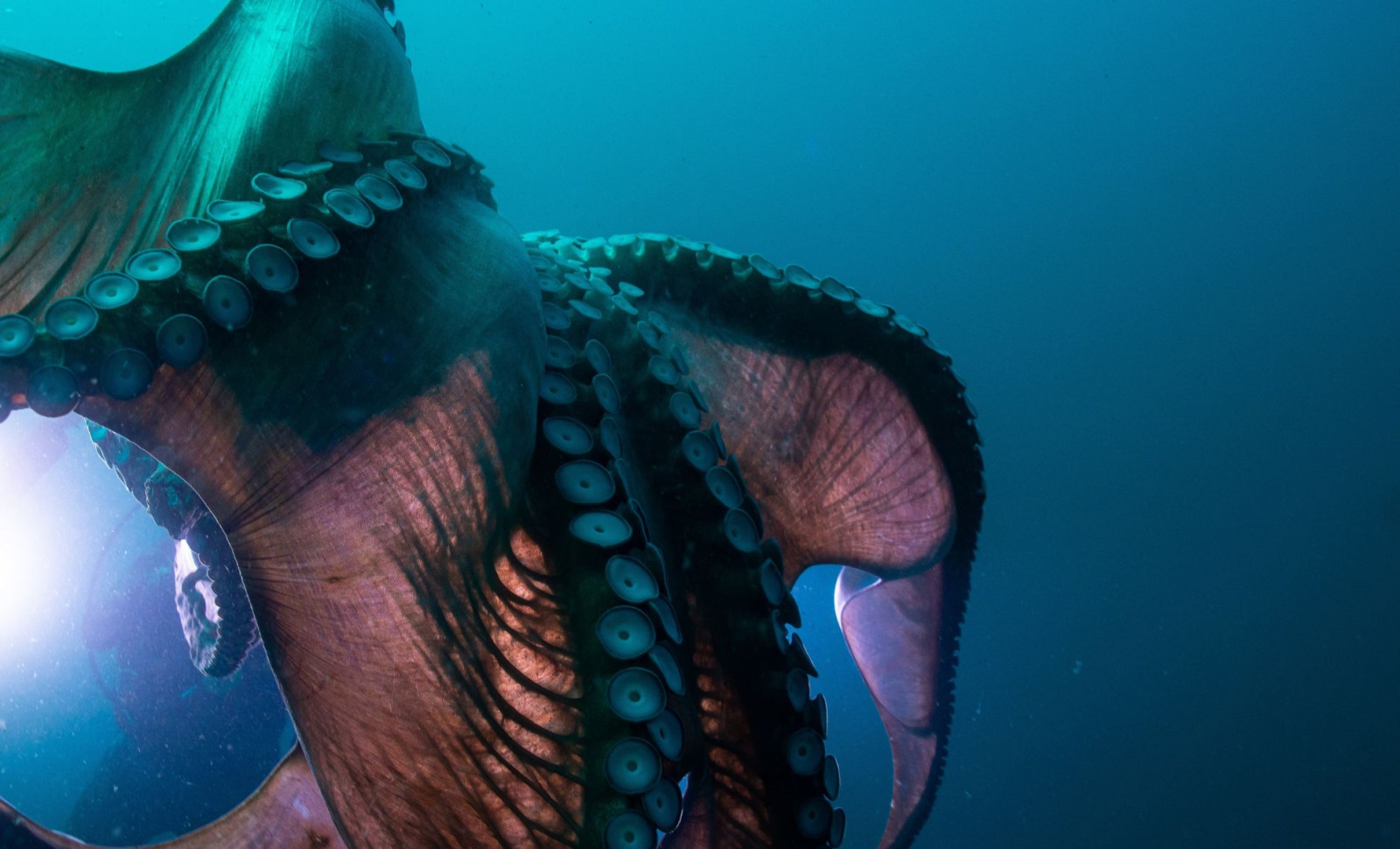
Recent fossil examinations have revealed that a prehistoric octopus-like species might have stretched up to 19 meters in length, ranking it among the most massive marine hunters roaming the Cretaceous seas. This discovery, detailed in Science, focuses on jaw fossils linked to Nanaimoteuthis haggarti.
While the Cretaceous oceans were known to host formidable predators such as mosasaurs and sharks, confirming cephalopods of this magnitude has been challenging due to their fragile soft bodies rarely fossilizing intact. Scientists must often reconstruct these creatures from the partial fossils that have endured millions of years.
The current findings stem from fossils excavated in Japan and Canada, dating back several tens of millions of years. According to the study, the remarkable similarity between these fossils has prompted a rethink regarding the maximum size that some ancient cephalopods may have achieved.

Wide-Ranging Fossils Unearthed Across Continents
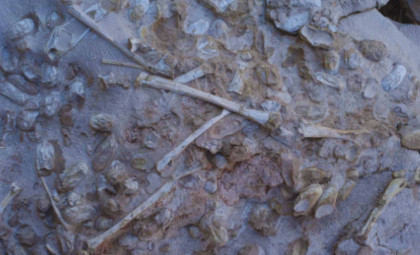
The research examines 27 fossil specimens recovered from sites in Japan and Canada. Scientists publishing in Science date these remains to the Late Cretaceous period, approximately 72 to 100 million years ago.
“Our findings suggest that the earliest octopuses were gigantic predators that occupied the top of the marine food chain in the Cretaceous,”explained Professor Yasuhiro Iba, a paleontologist at Hokkaido University.
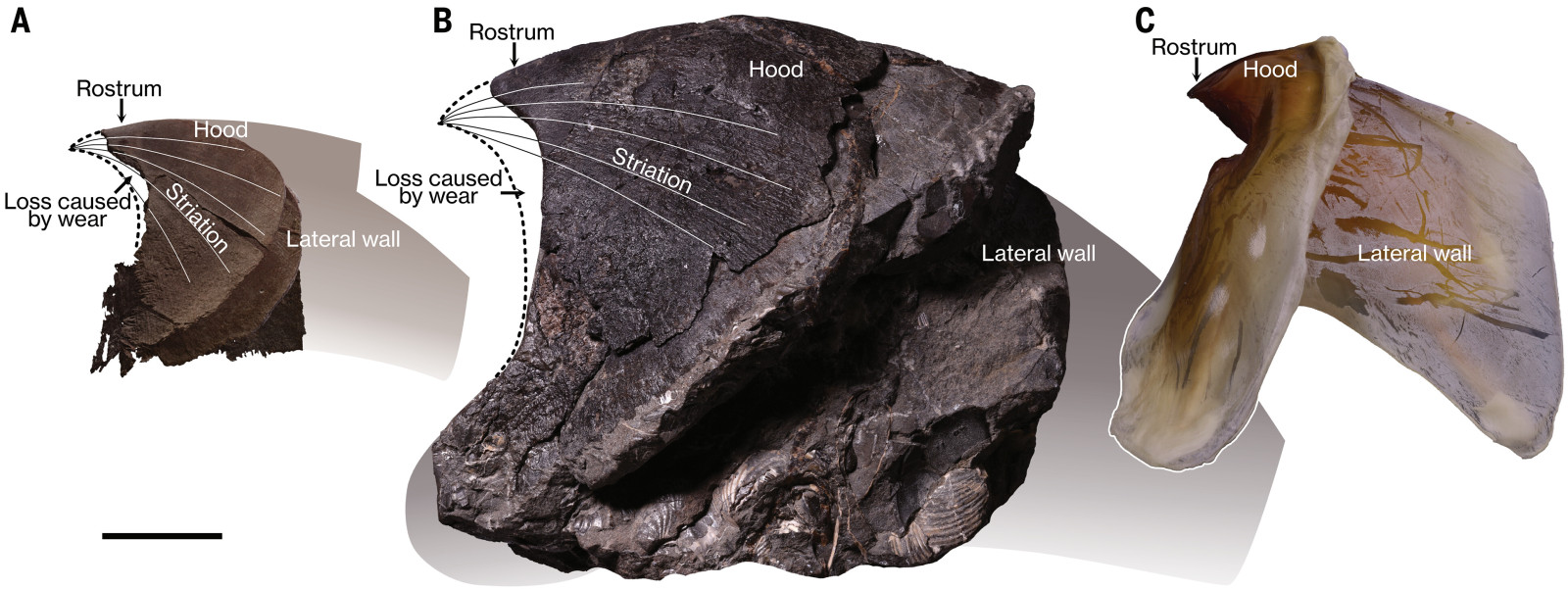
Though incomplete, the fossils exhibit strikingly similar jaw morphologies, indicating that they likely originate from the same genus, Nanaimoteuthis, instead of representing different species.
The fossils' widespread locations also imply this species—or closely related ones—had a far-reaching presence in ancient marine ecosystems than previously thought.
Estimating a Colossal Size from a Jaw Fossil
Because soft tissues rarely survive fossilization, jaw remains provide the key clues for size reconstruction. This makes exact estimations difficult but not impossible with comparative techniques.
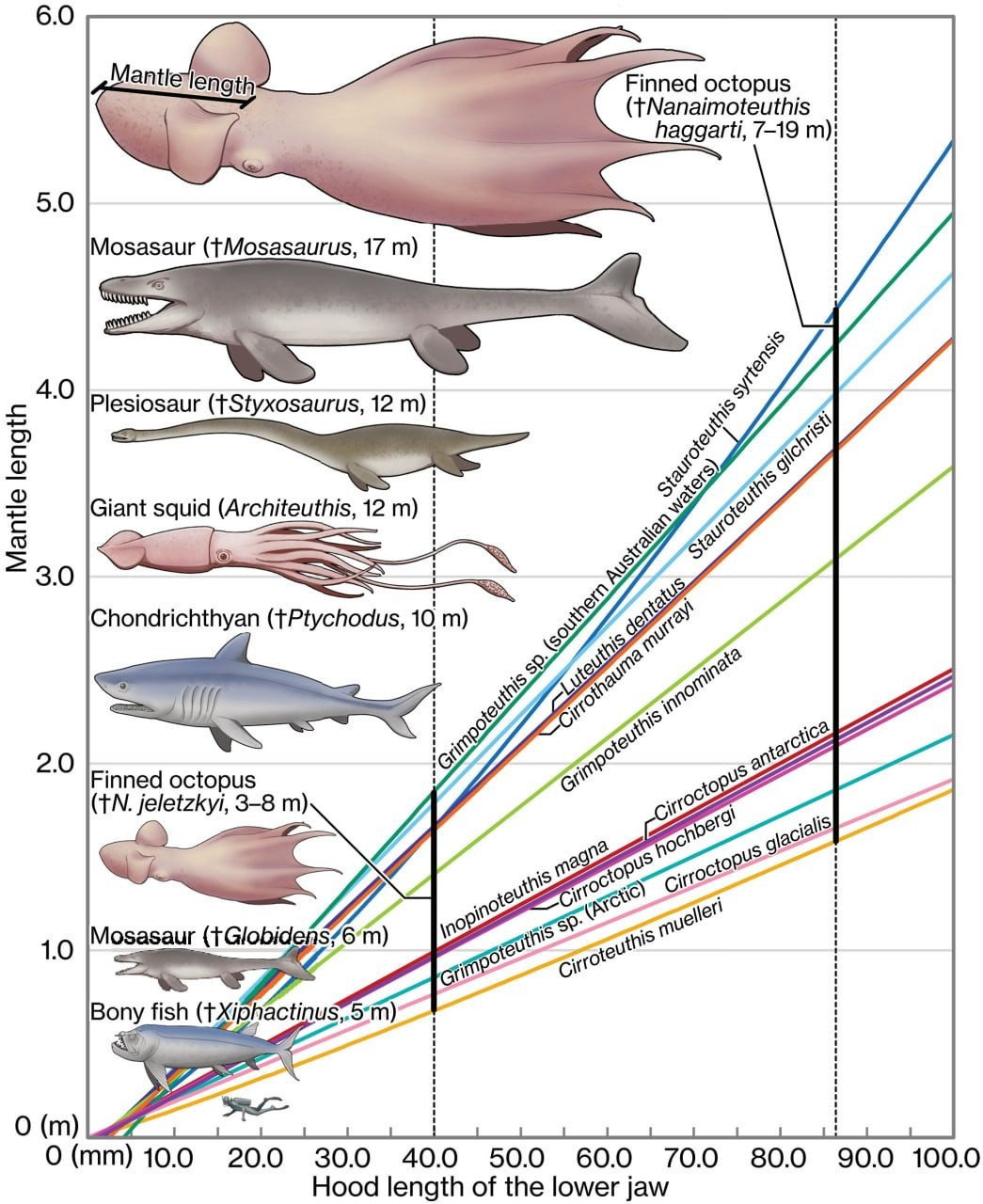
Utilizing advanced scanning technologies and 3D computer modeling, researchers compared the fossil jaws with those of contemporary cephalopods. This led to a proposed body length of roughly 19 meters, or about 62 feet, for Nanaimoteuthis haggarti.
For comparison, modern giant squids grow to around 14 meters, ranking them among the largest living invertebrates. This ancient cephalopod surpasses that, although the estimate relies heavily on modern analogs and carries some uncertainty.
Insights into Its Predatory Behavior
This species, Nanaimoteuthis haggarti, is believed to have had eight arms, lacking the elongated feeding tentacles typical of many today’s squids. This anatomical difference probably influenced its hunting method.
Rather than ambushing prey from afar, it likely captured food using a more direct approach, employing its arms and beak for close-quarter hunting. The Japanese team noted in Science that this strategy sets it apart from many modern cephalopod hunters.
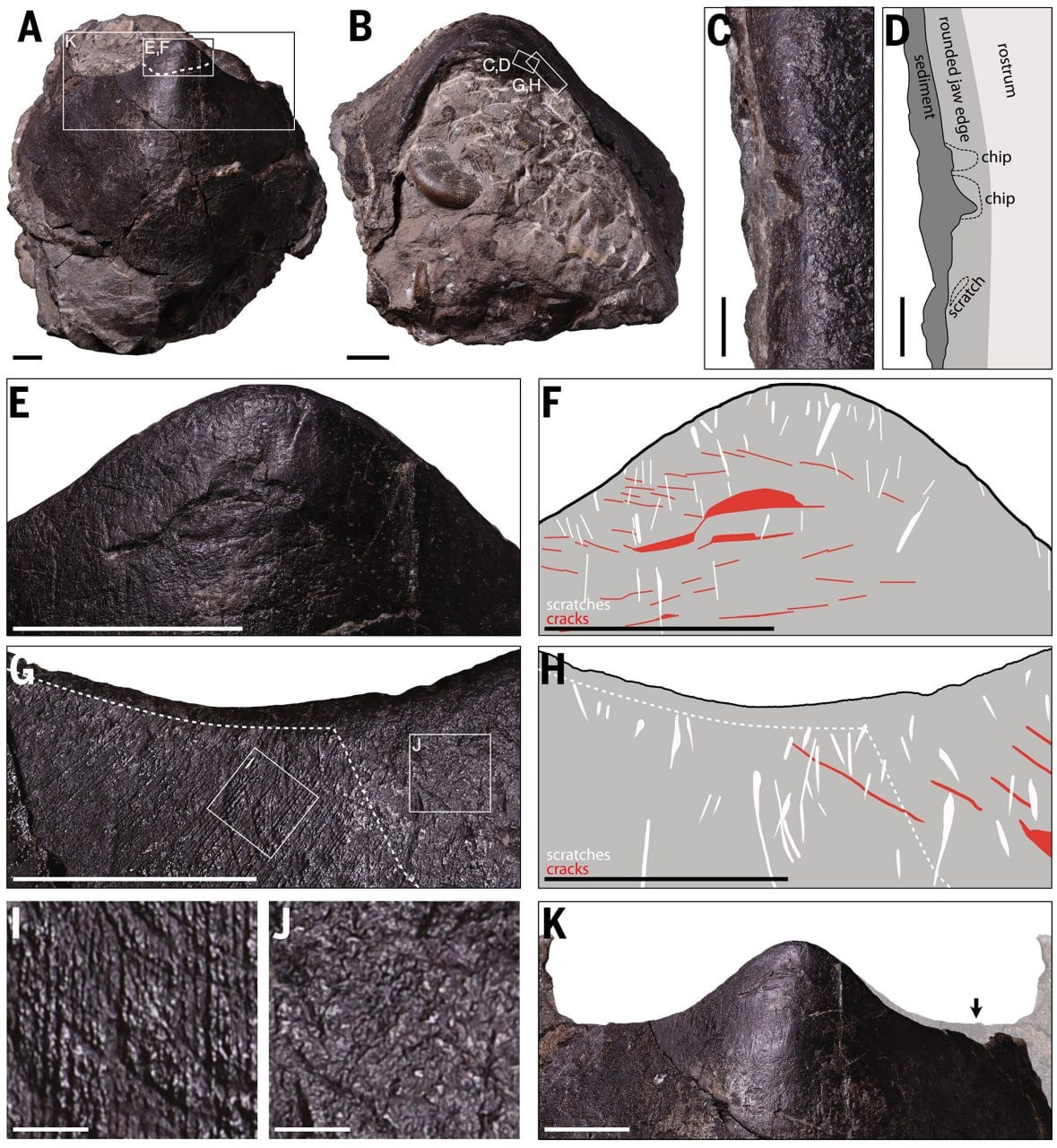
Fossils also exhibit subtle lateralization traits, suggesting one side of the animal may have been favored, a characteristic linked to more complex behaviors in modern octopuses.
“This study provides the first direct evidence that invertebrates could evolve into giant, intelligent apex predators in ecosystems that have been dominated by vertebrates for about 400 million years,” Professor Iba said.
In the same habitats, mosasaurs reached lengths of about 17 meters, and large sharks measured up to 10 meters. This places the cephalopod towards the top tier of massive predators, despite much of its biology still being inferred from fragmentary fossil remains.
- Categories:
- Science


0 comments
Sign in to Comment