
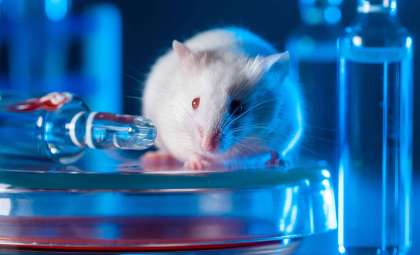
At the University of Yamanashi, scientists continuously cloned a single line of mice starting from one female donor. Over two decades, they repeatedly produced clones from the previous generation using the donor’s cells, maintaining consistent traits like sex and an agouti-colored coat. This created a strikingly stable visual lineage despite the decades-long timeline.
The team paced their work deliberately. Once each cloned mouse reached about three months old, its cells served as donors for making the subsequent clone via nuclear transfer, the same cloning process famously applied to Dolly the sheep. Producing three to four generations annually turned this seemingly isolated experiment into an unprecedented long-term investigation into how far mammalian cloning could be extended without biological deterioration.
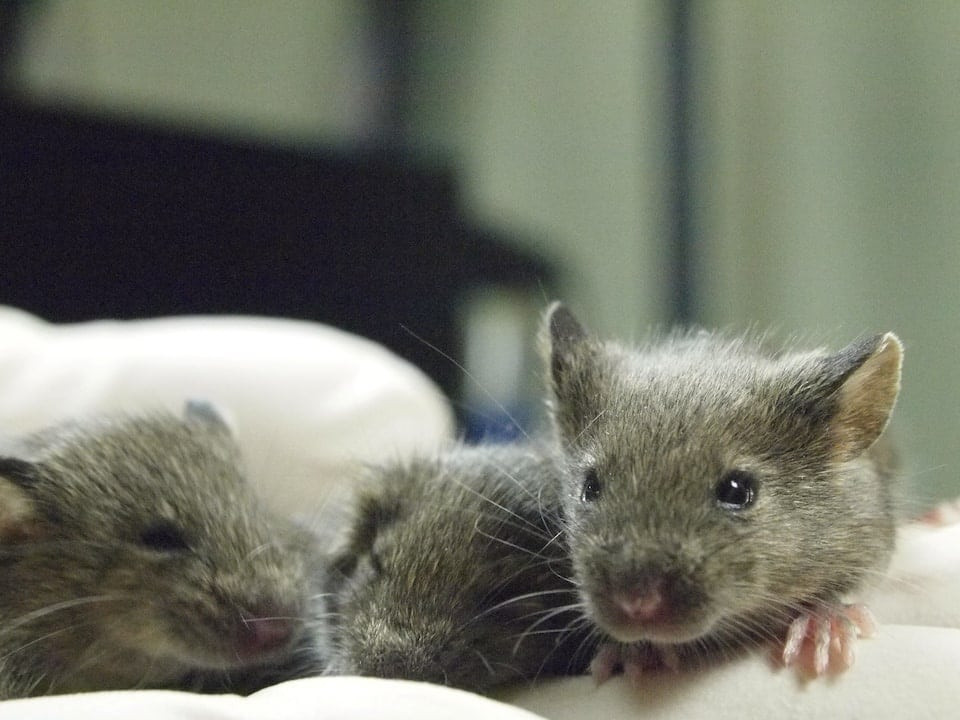
Initial findings offered no indication of impending failure. In 2013, the team reported the first 25 cloned generations appeared healthy, with no clear genetic red flags. This raised a fundamental question that lingered throughout the study: could mammalian serial cloning be sustained indefinitely beyond just one initial successful clone?

Long-Term Cloning Reaches Its Breaking Point
Definitive answers emerged only after pushing the cloning process to extremes. The recent Nature Communications article reveals a decline in birth rates beginning at generation 27, with cloning halting entirely after generation 58. Although earlier generations thrived with normal lifespans, all individuals from the 58th generation perished within a day of birth.
Teruhiko Wakayama, developmental biologist at the University of Yamanashi and lead author, shared with Reuters, “No one has ever continued re-cloning for this long before. As a result, this is the first time we’ve discovered that repeated re-cloning eventually reaches its limits.” This longstanding trial not only confirmed cloning success but also identified a biological boundary to sustaining mammalian lines through serial cloning.
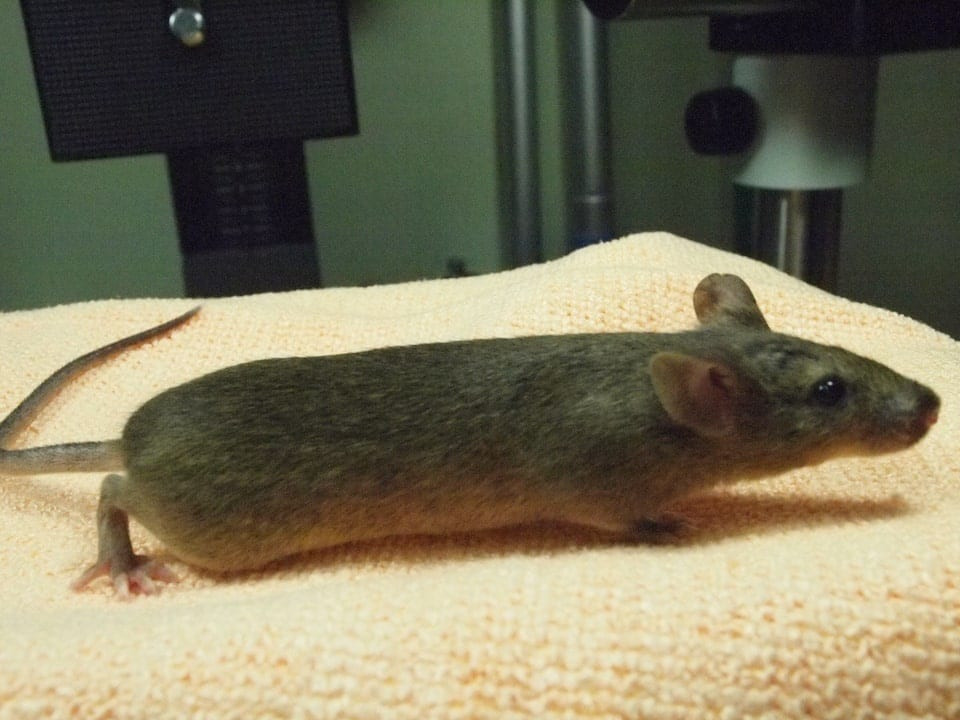
The experiment’s vast scale lends convincing strength to its conclusions. Over 1,200 clones were generated from the original donor, marking this as one of the most comprehensive mouse cloning projects ever undertaken. Though the mice appeared stable externally for many generations, their genomes showed a steady increase in instability as cloning continued.
Gradual Genetic Damage Accumulates Inherited Mutations
Whole-genome sequencing uncovered a slow but relentless accumulation of mutations rather than sudden catastrophic changes. From generation 1 to 57, approximately 3,700 single-nucleotide variants and 80 insertion-deletions were detected, averaging 69.4 SNVs and 1.4 indels each generation. Larger structural mutations were also identified, including harmful variants and, in some mice, the loss of an X chromosome. These genetic disruptions mounted even as the mice continued to look alike externally.
Wakayama explained to Reuters, “It was once believed that clones were identical to the original, but it has become clear through this study that mutations occur at a rate three times higher than in offspring born through natural mating.” This highlights the importance of the findings: genome sequencing demonstrated that cloned mice do not produce perfect genetic replicas. Instead, cumulative defects are inherited without the benefit of the genetic recombination processes that naturally help eliminate mutations.
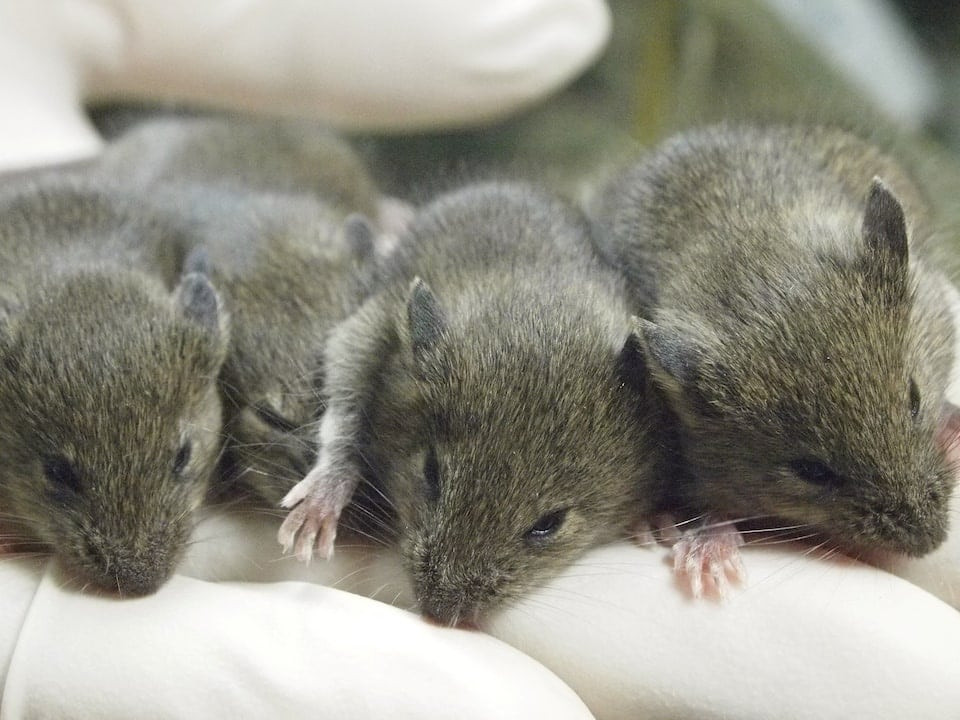
The researchers likened this to making multiple photocopies of the same image, where quality progressively decreases with each replication. This metaphor matched the genetic data showing a continuous build-up of damage rather than an abrupt failure at a certain point.
Declining Fertility Precedes Final Generations
One striking symptom was reduced reproductive success. Females cloned from earlier generations, when mated with normal males, produced litters comparable to the control group, averaging around 10 pups at generation 20. However, litter sizes shrank significantly to about 2.8 and 2.2 pups by generations 50 and 55, indicating fertility was already waning well before cloning ceased.
The study also noted a recovery effect through sexual reproduction. After cloning became impossible beyond generation 58, breeding offspring from late-generation clones sexually resulted in larger litters averaging around 7.0 pups. These grandchildren had placentas resembling those from fertilized embryos rather than the abnormally large placentas typical of cloned mice, implying that meiotic processes partially reversed some inherited genetic damage.
Wakayama summarized the broader implications to Reuters: “Because all these mutations continue to accumulate, mammals cannot sustain their species through cloning.” While not ruling out all cloning possibilities, the research clearly demonstrates a natural biological ceiling for sustaining mammalian lines using repeated nuclear transfer cloning. Ultimately, cloning reached its final limit at generation 58.
- Categories:
- Science







0 comments
Sign in to Comment