
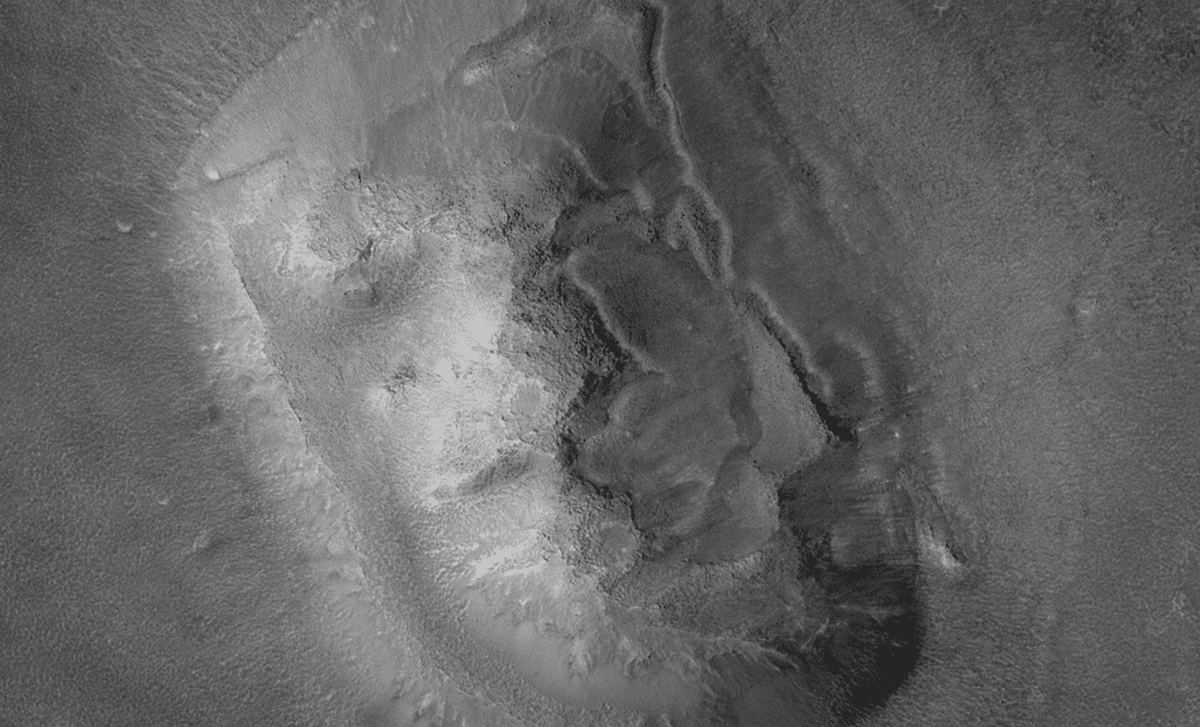
Mars, our fascinating neighbor in the solar system, continues to capture the imagination of scientists and space fans worldwide. As the prospect of human missions draws nearer, the complexities of exploring the Red Planet become clearer. A growing emphasis on planetary protection has unveiled critical zones on Mars that must remain untouched to prevent contamination. A recent article in The Journal of Microbiology emphasizes that preventing Earthly contamination is vital to the quest for discovering extraterrestrial life. How do we ensure that our exploration does not jeopardize future findings?
Why Rigorous Planetary Protection Is Essential
As missions target the possibility of life on Mars, following strict planetary protection protocols grows increasingly crucial. The UN Outer Space Treaty, effective since 1967, establishes binding rules to prevent Earth's organisms from contaminating other celestial bodies. It mandates:
“States Parties to the Treaty shall pursue studies of outer space, including the Moon and other celestial bodies, and conduct exploration of them so as to avoid their harmful contamination and also adverse changes in the environment of the Earth resulting from the introduction of extraterrestrial matter, and where necessary, shall adopt appropriate measures for this purpose.”
Add Cosmo Herald as a Preferred Source

This directive underscores the responsibility to explore space without compromising alien worlds with terrestrial microbes. Consequently, designating “special regions” on Mars—areas potentially hospitable to life—becomes a core strategy. These zones require strict safeguards, as their delicate environments could be severely impacted by Earth-based contamination.
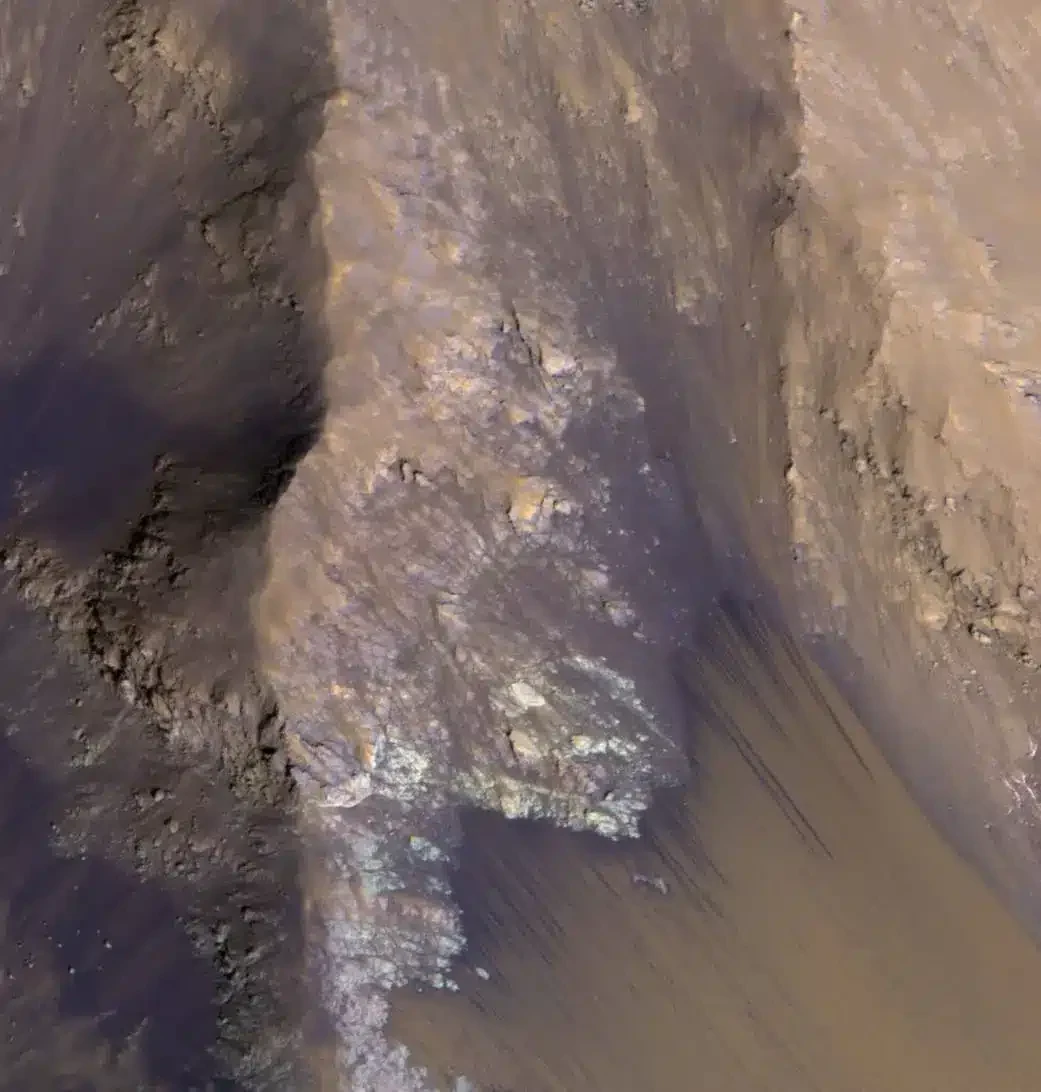
Special Regions: Key Targets in The Search for Martian Life
Scientific authorities like the Committee on Space Research (COSPAR) classify certain Martian areas as “special regions” due to their potential to sustain microbial life if it exists.
“High-priority science goals, such as the search for life and the understanding of the Martian organic environment, may be compromised if Earth microbes—that is, prokaryotic or eukaryotic single-cell organisms—carried by spacecraft grow and spread on Mars,” COSPAR explains following a 2016 investigation requested by NASA.
The main risk is that Earth microbes might multiply within these Martian habitats, confusing future efforts to identify authentic Martian organisms. Areas like water-limited zones, ephemeral features called recurring slope lineae (RSL), and subterranean pockets stand out as prime candidates for life—and must remain off-limits until contamination risks are fully mitigated.
Exploring Microbial Viability on Mars: A Scientific Challenge
Special regions were identified out of concern that microbial life, similar to Earth’s, could survive and potentially thrive on Mars under proper conditions. Mars’ environment, though extreme, might harbor microhabitats—especially beneath the surface—where briny liquid water could exist.
“The concept of a Special Region was developed as a way to refer to those places where the conditions might be conducive to microbial growth as we understand this process. In particular, this refers to places that might be warm and wet enough to support microbes that might be carried by spacecraft from Earth,” COSPAR added.
Such special regions may include zones where underground water deposits are suspected or where chemical conditions might sustain life. This adds complexity to Mars missions because terrestrial extremophiles thrive in harsh Earth environments like deep-sea vents or volcanic springs, suggesting similar resilience could exist on Mars.
Threat of Earth-Based Microbes Reaching Mars
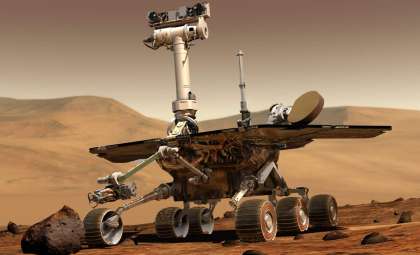
An ever-present challenge in Mars exploration is the inadvertent transport of Earth microbes that might adapt and proliferate on the Red Planet. A recent study in The Journal of Microbiology presents evidence that terrestrial life can endure conditions resembling those on Mars, raising concerns about contamination.
“Claims that reducing planetary protection requirements wouldn’t be harmful, because Earth life can’t grow on Mars, may be reassuring as opinion, but the facts are that we keep discovering life growing in extreme conditions on Earth that resemble conditions on Mars,” the study states.
This insight reinforces the necessity of stringent sterilization processes to avoid introducing Earth organisms to Martian soils and environments.
New findings on extremophile survival highlight the risk that Earth microbes could colonize Mars, compromise habitats, and blur the line between native and introduced life. Protecting these sensitive special regions is thus a priority for preserving scientific validity.
The Risks of Reducing Planetary Protection Standards
While some advocate easing planetary protection rules to accelerate exploration, the research warns against the potential fallout.
“Advocating for unjustified loosening of bioburden controls translates into doing a poor job of life detection and forward contamination control during the robotic exploration of Mars,” the authors warn.
Relaxing these measures could undermine our ability to accurately discover alien life and complicate manned mission objectives.
Conducting Mars explorations without comprehensive contamination safeguards risks corrupting scientific data and weakening mission credibility. The paper concludes that stringent planetary protection protects not only the integrity of extraterrestrial research but also the long-term prospects for human exploration.
- Categories:
- Astronomy





0 comments
Sign in to Comment