
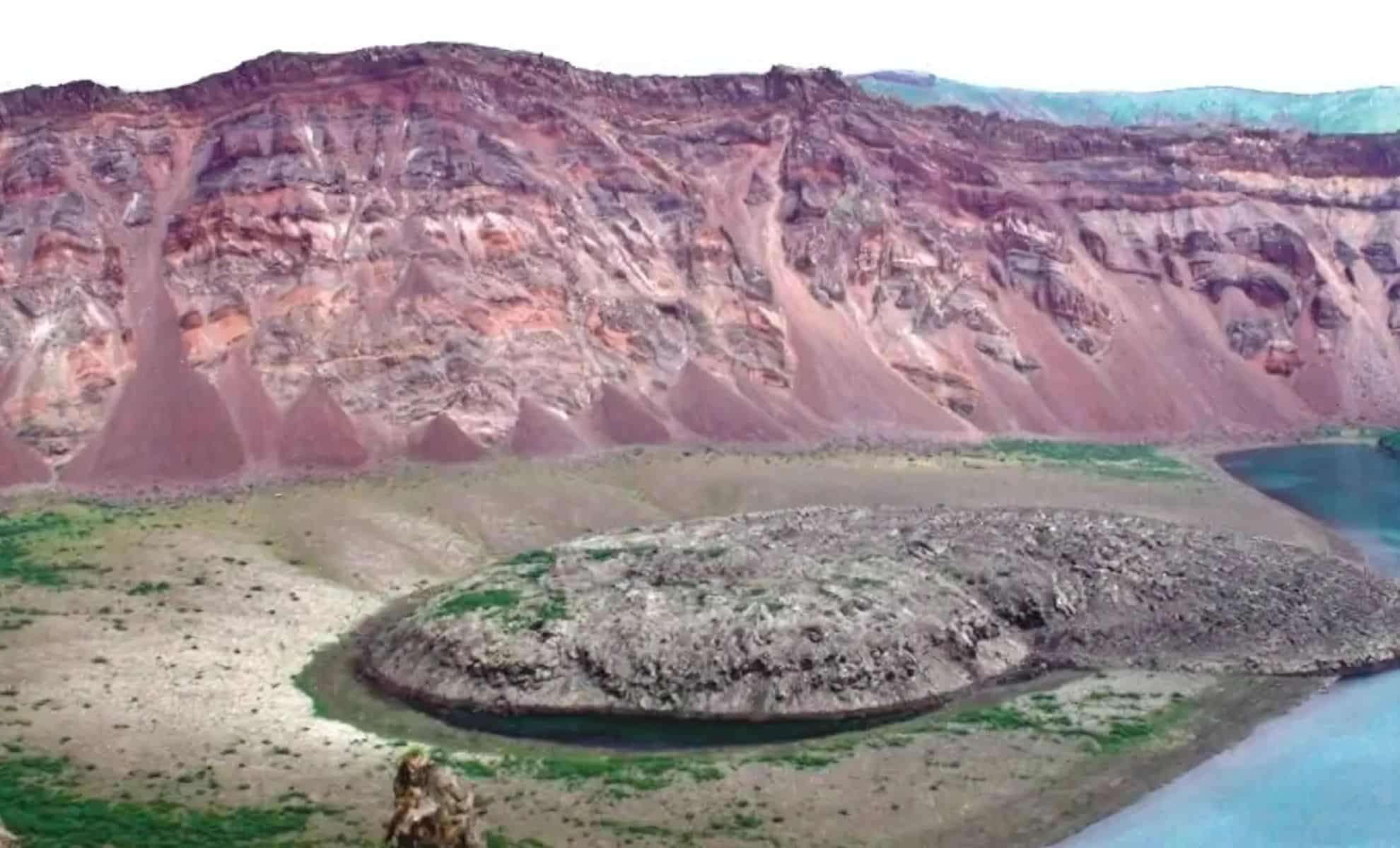
A recent study uncovers a connection between a colossal volcanic eruption on one of the four aligned volcanoes on Simushir Island—a remote, former Soviet military site—and a puzzling global cooling event in 1831. Previously unnoticed due to the island’s remoteness and military secrecy, this volcanic cluster may have influenced worldwide climate patterns significantly, potentially rivaling the impact of the Tambora eruption.
Simushir Island: A Volcanic Puzzle Hidden in Isolation
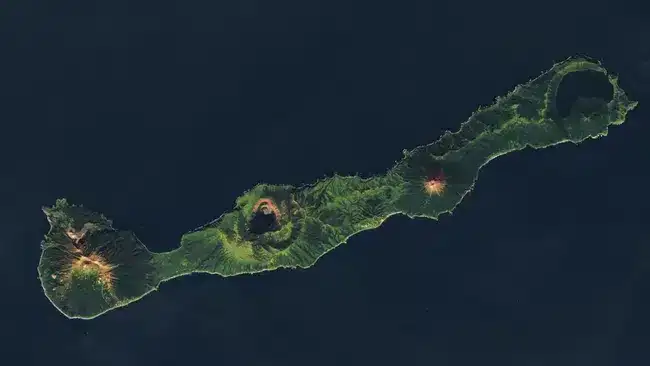
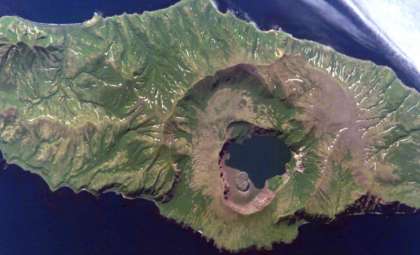
The Kuril Islands lie at the intersection of the Sea of Okhotsk and the Pacific Ocean, forming a portion of the Pacific "Ring of Fire"—a seismically active zone responsible for many of Earth’s earthquakes and volcanic activities. Among them is Simushir, an 8-kilometer-long island that served as a Soviet nuclear submarine base and was restricted for decades.
Now deserted and devoid of inhabitants, Simushir features four main volcanoes. The tallest, Milna, reaches 5,050 feet (1,540 meters) and erupted last in 1914. Zavaritski, once thought to be inactive, is now identified as the source of an immense eruption in 1831. Prevo, standing 4,460 feet (1,360 meters) high, last erupted in 1825. The smallest volcano, Uratman, at 2,224 feet (678 meters), has shown no signs of activity for over 12,000 years.
A lesser-known fifth peak, Goriaschaia Sopka, geologically linked to Milna, remains difficult to discern in satellite photos but may share its magma system.

The Overlooked Eruption That Chilled the Northern Hemisphere
In 1831, the Northern Hemisphere experienced an abrupt temperature decline of approximately 1.8°F (1°C). Historical accounts describe unusual solar phenomena, darkened skies, and widespread crop failures across Europe and North America. Scientists long speculated about a volcanic eruption but lacked evidence identifying the cause.
Breakthrough research from the University of St Andrews in 2024 analyzed ash particles trapped in polar ice cores and linked them to volcanic deposits from the Zavaritski volcano on Simushir. This was a revelation, as no previous records documented an eruption from Zavaritski in that year.
“We had no idea this volcano was responsible,” explained volcanologist William Hutchison, who led the investigation. “It was completely off the radar.”
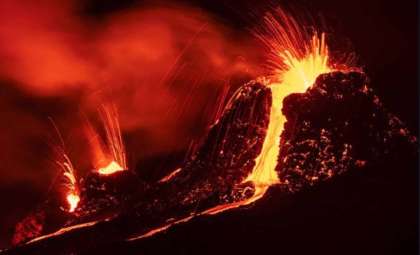
The data suggests that the eruption ejected extensive amounts of sulfur dioxide into the atmosphere, forming an aerosol veil that temporarily blocked sunlight and led to global temperature drops.
The Geological Enigma of Aligned Volcanoes
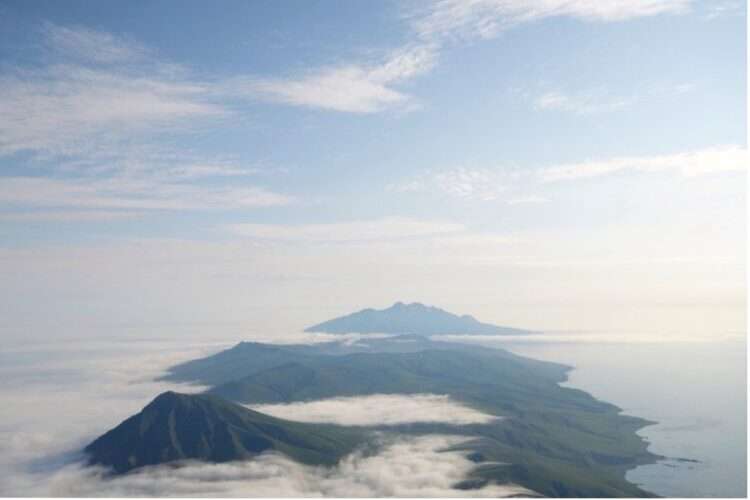
The perfectly lined volcanic peaks of Simushir are more than a visual novelty; they hint at underlying geological forces. Experts believe the island’s position on the Kuril-Kamchatka subduction zone allows magma to ascend through linear fractures, forming the symmetrically spaced volcanoes.
This raises critical questions: interconnected volcanic activity could mean eruptions might trigger one another. If so, Simushir’s volcanic system may represent a greater hazard than previously recognized.
Compounding this threat is Simushir’s isolation and lack of real-time seismic monitoring, meaning future eruptions could occur unnoticed until global impacts manifest.
From Strategic Base to Key Climate Discovery
For decades, Simushir’s volcanic mysteries lay concealed behind Cold War secrecy. The island’s Brouton Bay, the ancient caldera of Uratman volcano, served as a Soviet submarine base until 1994, during which time scientific access was barred.
Following military withdrawal, researchers utilized satellite imagery and remote sensing technologies to begin geological surveys. Their work revealed invaluable insights, including Zavaritski’s crucial role in historic climate change.
Today, Simushir stands as a remarkable intersection of political history and geophysical significance, reshaping understanding of volcanic influence on Earth's past climate.
- Categories:
- News






0 comments
Sign in to Comment