
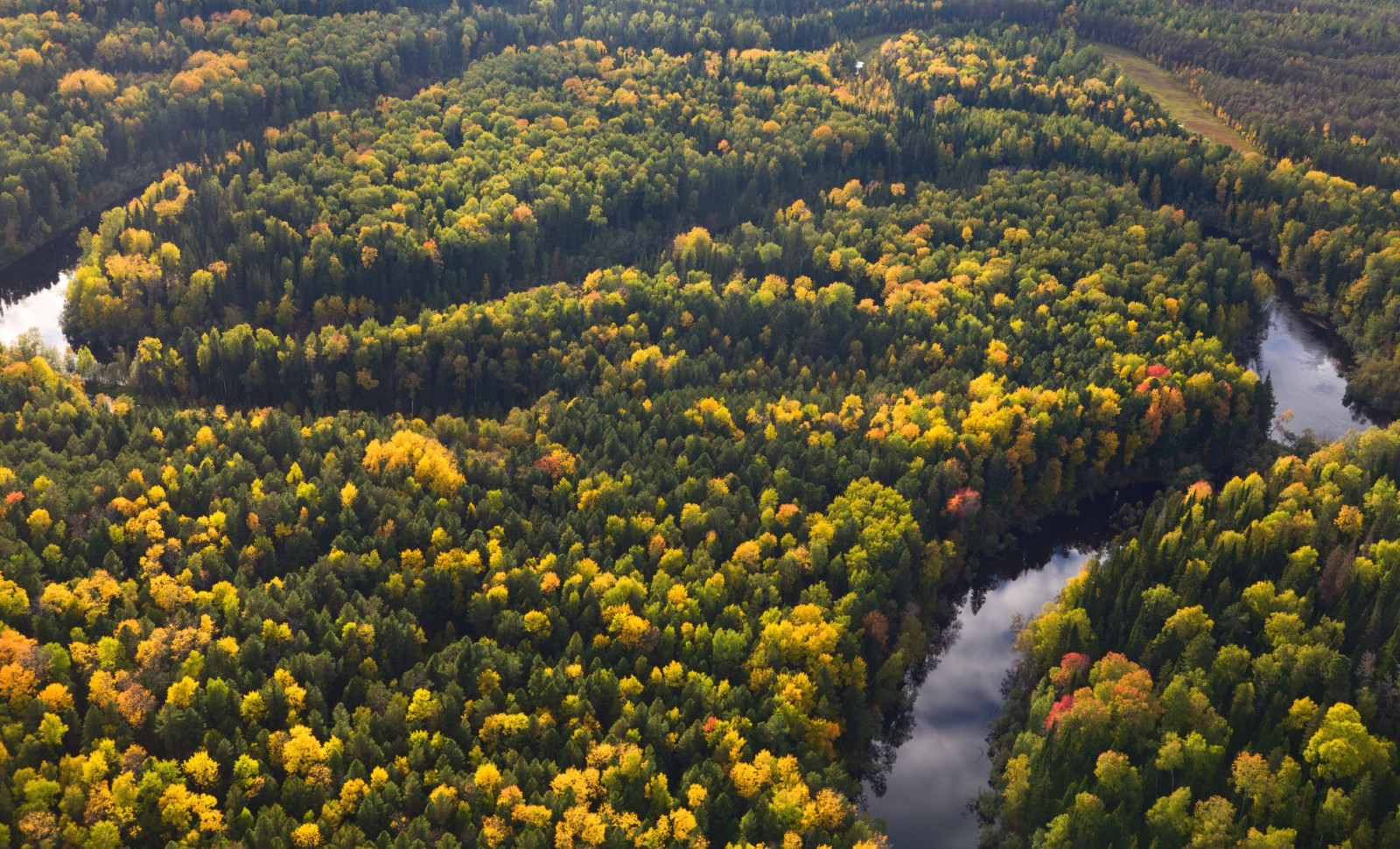
A long-lost forest hidden beneath the North Sea is transforming scientists’ understanding of the region's ecological history. Contrary to previous beliefs, forests thrived in Doggerland over 16,000 years ago—significantly earlier than thought.
This breakthrough, obtained through analysis of ancient DNA, reveals a surprisingly diverse ecosystem. It also indicates that certain species persisted in this area well beyond their known extinction dates elsewhere. Doggerland, a landmass that once connected Britain and mainland Europe, gradually submerged due to rising sea levels. Historically, it was mainly recognized as a migration route for early humans.
A recent research project led by the University of Warwick and published in PNAS employed sedimentary ancient DNA to map environmental changes over millennia. This advanced technique offered a more comprehensive view than traditional pollen analyses.

Ancient DNA Revises Forest History
Researchers at the University of Warwick identified genetic traces of oak, elm, and hazel in sediment layers dated to more than 16,000 years ago. This timeline stretches the known existence of forests in northern Europe far earlier than established estimates.
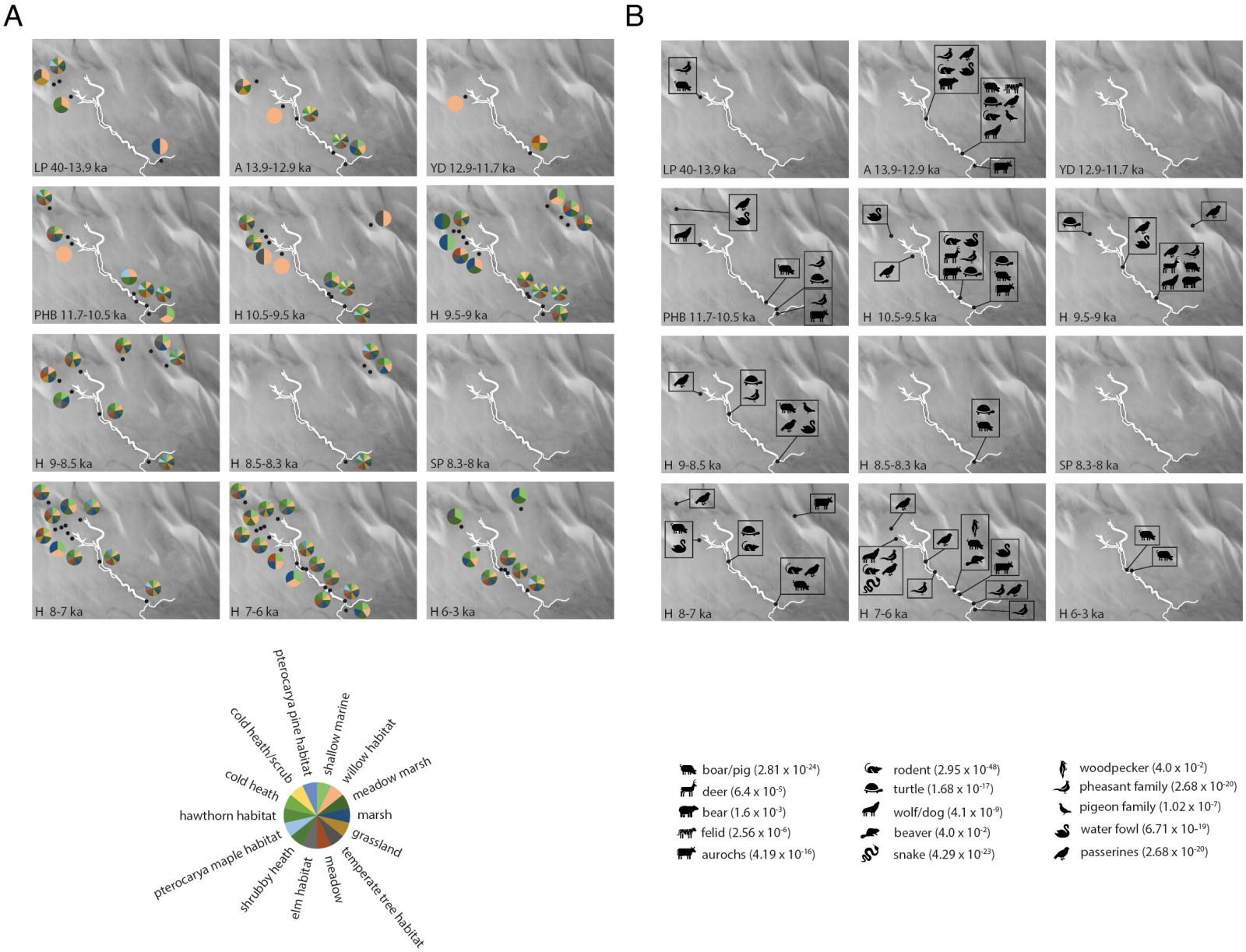
The team analyzed 252 samples derived from 41 marine sediment cores, providing a robust dataset that tracked how the forest evolved from the Ice Age's close through shifting climates until Doggerland was completely submerged.
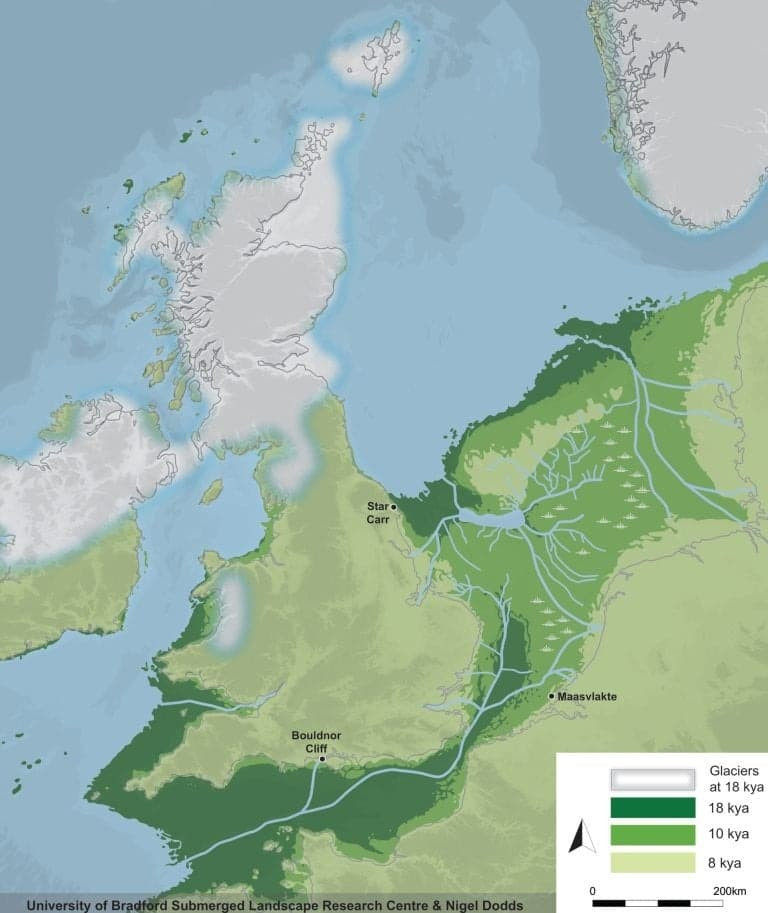
“By analyzing sedaDNA from Southern Doggerland at a scale not seen before, we have reconstructed the environment of this lost land from the end of the last Ice Age until the North Sea arrived. We unexpectedly found trees thousands of years earlier than anyone expected — and evidence that the North Sea fully formed later than previously thought,” said the study lead author Professor Robin Allaby of the University of Warwick.
Unexpected Survival of Ancient Tree Species
Among the startling revelations is the presence of Pterocarya, a tree genus thought to have disappeared from the area around 400,000 years ago. The study, published in PNAS, uncovered its DNA in sediments, indicating it survived much longer in isolated pockets than previously recognized.
The researchers also detected Tilia (lime trees) arriving roughly 2,000 years earlier than expected on mainland Britain. This points to regions experiencing warmer, more favorable conditions during generally cold periods.
Such refuges, known as microrefugia, likely facilitated the rapid spread of forests post-Ice Age, potentially explaining Reid’s Paradox, a long-standing puzzle in ecology.
A Thriving Habitat for Early Humans
Professor Allaby noted that Doggerland's environment probably supported early Mesolithic populations, offering forests hospitable to wildlife such as wild boar.
“From a human perspective, this is the best evidence that Doggerland’s wooded environment could have supported early Mesolithic communities prior to flooding and may help explain why relatively little early Mesolithic evidence survives on mainland Britain today.”
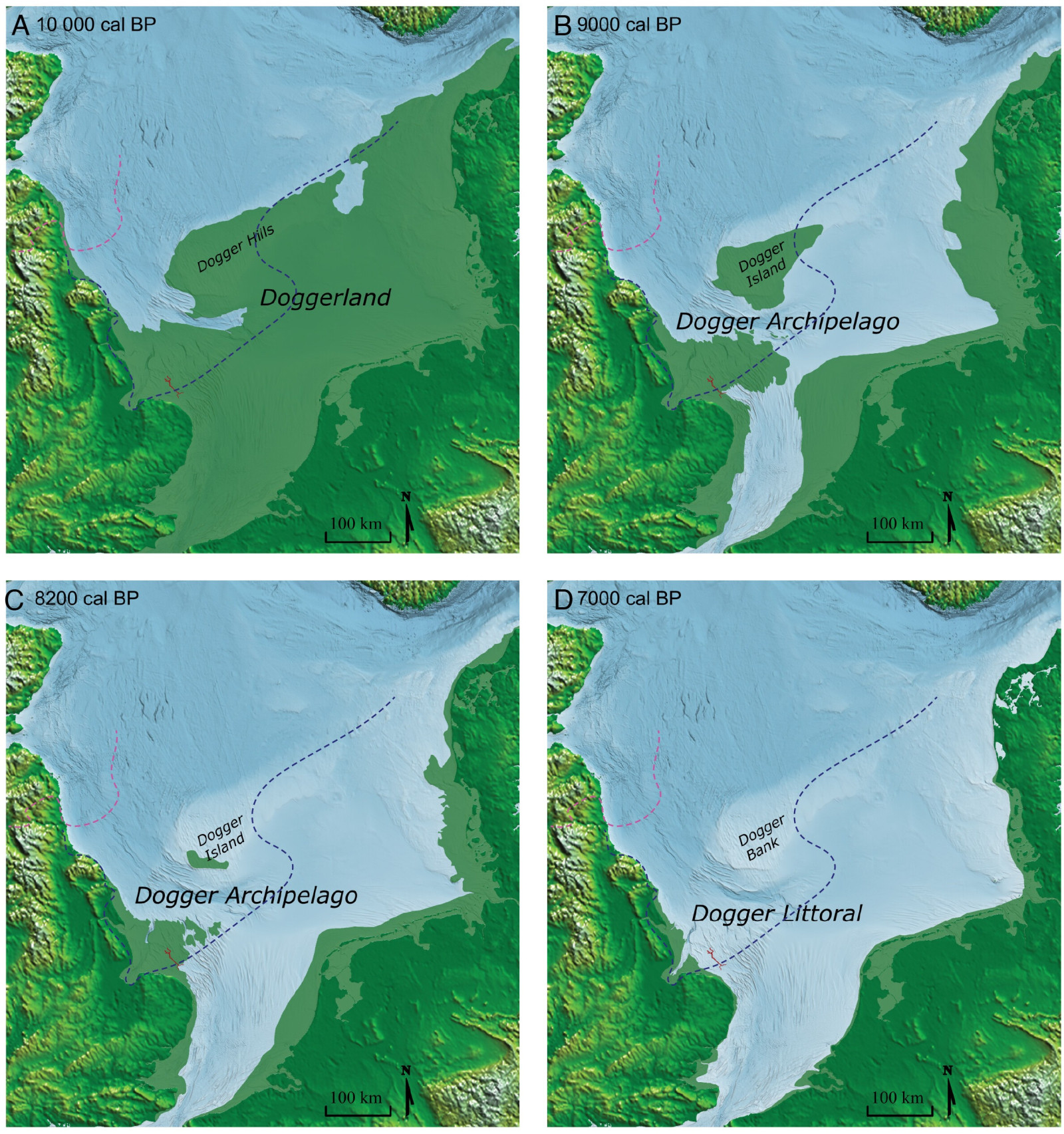
The study further proposes that portions of Doggerland remained above sea level longer than previously thought. Some sections may have endured events like the Storegga tsunami roughly 8,150 years ago, lasting until around 7,000 years ago. As Professor Vincent Gaffney from the University of Bradford mentioned:
“From a human perspective, this is the best evidence that Doggerland’s wooded environment could have supported early Mesolithic communities prior to flooding and may help explain why relatively little early Mesolithic evidence survives on mainland Britain today.”
- Categories:
- Science











0 comments
Sign in to Comment