
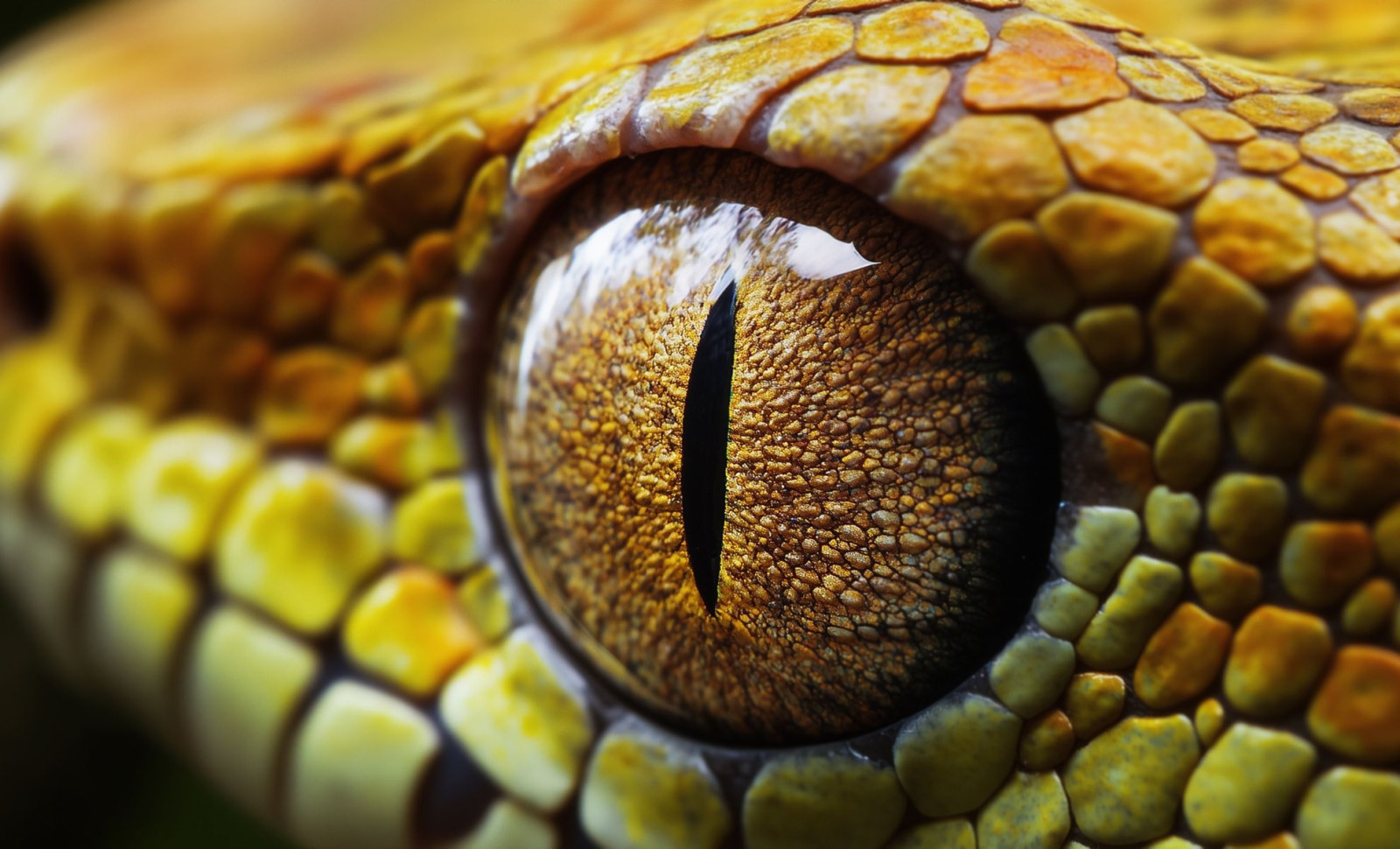
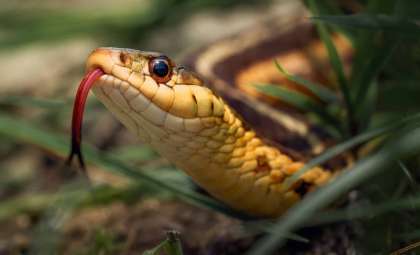
While most snakes avoid freezing temperatures by burrowing deep underground, certain populations of Thamnophis sirtalis parietalis face a rare threat their physiology can barely manage: their bodies freezing accidentally. Surprisingly, under precise environmental conditions, some of these snakes endure even when ice forms inside their tissues.
This extraordinary freeze tolerance is fragile and risky, relying heavily on both habitat and inherited traits. As climate change alters winter weather across North America, scientists are urgently studying how these reptiles survive freezing and what occurs when their innate defenses fail.
The Mechanism Behind a Snake’s Survival of Ice
When temperatures plunge below zero, ice can emerge in the spaces between cells within a garter snake’s body. Occasionally, the snakes survive due to two protective adaptations. First, their metabolism slows dramatically, halting blood flow and oxygen use to conserve energy. Second, small compounds called cryoprotectants accumulate, shielding tissues from ice damage.

A research article published in the Canadian Journal of Zoology demonstrated that red-sided garter snakes can endure brief freezing at −2.5 °C (27.5 °F), with as much as 40% of their body fluid frozen. In test conditions, these legless reptiles fully revived after three hours of freezing. Longer exposures led to lower survival: 50% after ten hours and none surviving 24 to 48 hours.
Unlike some amphibians that flood their cells with glucose during freezing events, garter snakes exhibit minimal chemical adjustments. Small rises in taurine and glucose occur locally within tissues, not throughout the entire body. This limited biochemical response enables survival, but leaves little margin for error.
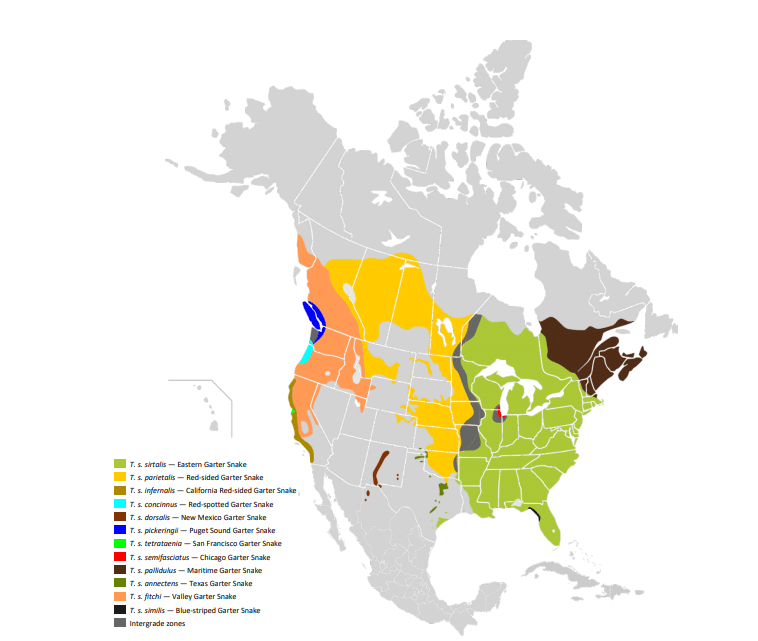
Geographic location plays a crucial role. In areas such as Manitoba, snakes overwinter in deep, well-protected dens that reduce freezing risk. But populations living near the edge of their range face more unpredictable weather, raising the stakes for winter survival.
Delicate Physiology, Tight Survival Limits
The red-sided garter snake’s ability to tolerate freezing is not a broad survival strategy. It functions only at mild freezing temperatures, during short durations, and only within select individuals. As Forbes reports, reptiles generally lack the powerful freeze-protection mechanisms seen in amphibians like wood frogs.
Essentially, the garter snake’s freeze tolerance is a final defense, not an evolutionary blueprint for harsh winters. Compared to frogs, snakes have less adaptable hydration systems and fewer protective molecules. This results in a sharp decline in survival if freezing conditions worsen beyond their narrow thresholds.
Winter Specialists in a Shifting Climate
Changing winter patterns are challenging this survival strategy. Although rising average temperatures might lower freezing risk, they also introduce irregular conditions such as repeated freeze-thaw cycles, unexpected water floods, and mismatches between environmental cues and snake dormancy cycles.
A 2023 report on northern garter snake populations identified thin snow cover and flooding before freezing as factors increasing winter mortality. In such events, snakes sheltering in dens are caught unprepared and fail to find refuge before temperatures drop.
Ongoing research aims to pinpoint the safest hibernation sites to prioritize for conservation. At the molecular level, scientists seek to uncover the genes and regulatory pathways that govern freeze responses. As noted by Forbes, integrating long-term ecological monitoring with advanced tools like metabolomics and transcriptomics may unravel how this precarious adaptation evolved and if it can endure in the face of rapid environmental changes.
- Categories:
- Science




0 comments
Sign in to Comment