
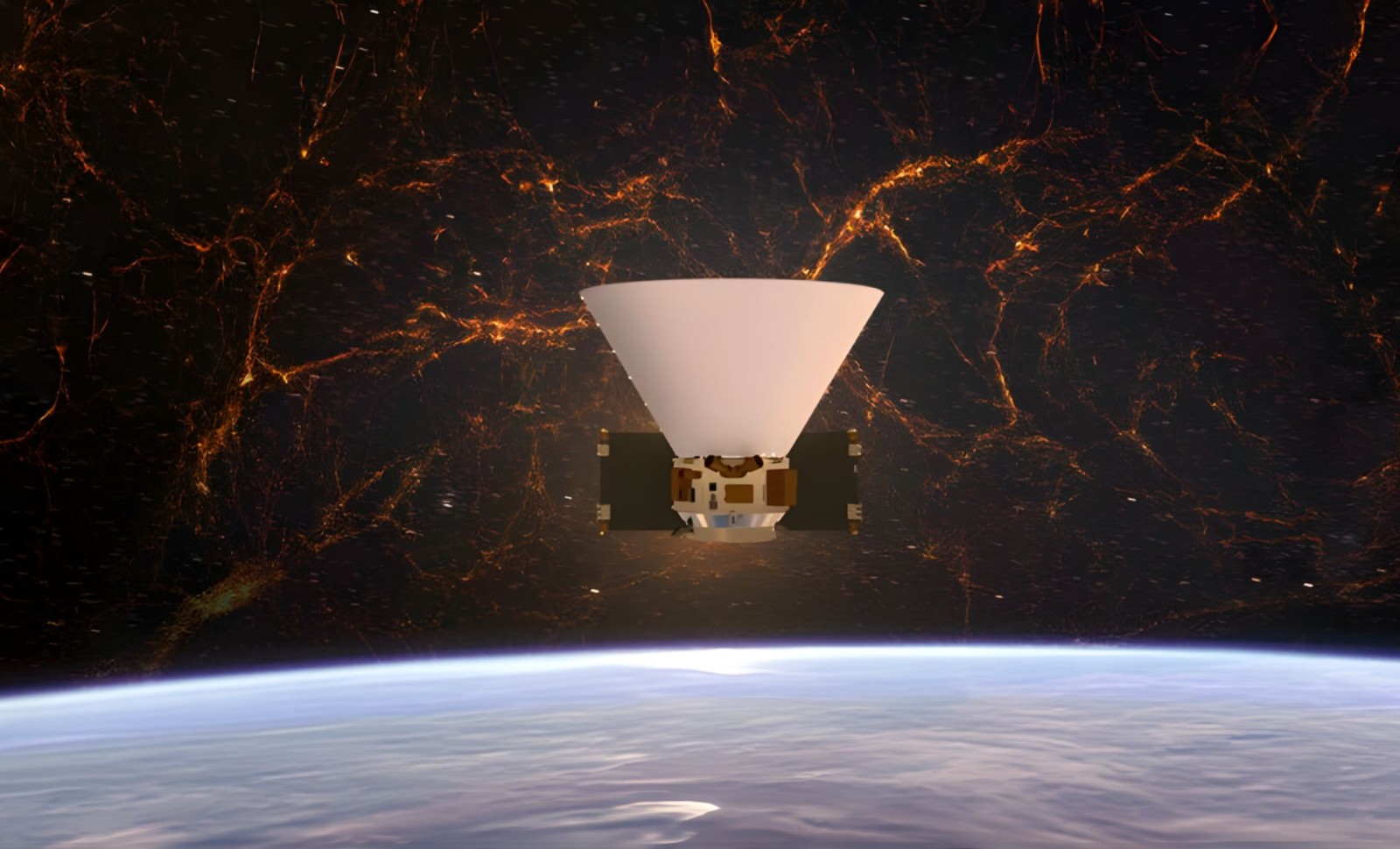
NASA’s SPHEREx observatory has reached a groundbreaking achievement by capturing an extraordinarily detailed map of the entire sky visible from Earth. This milestone is a testament to SPHEREx’s innovative design and its mission to unravel the history and evolution of the cosmos.
Throughout its operation, the telescope observed the heavens in 102 distinct infrared bands, assembling an extensive and intricate cosmic map. This vast dataset is poised to catalyze fresh discoveries about galaxy formation, dark matter, and other profound cosmic phenomena.
A Revolutionary Perspective on the Cosmos
The SPHEREx spacecraft—short for “Spectro-Photometer for the History of the Universe, Epoch of Reionization, and Ices Explorer”—has devoted the last six months to collecting vast amounts of sky data. Orbiting Earth nearly 15 times daily, it captures about 3,600 images every revolution.

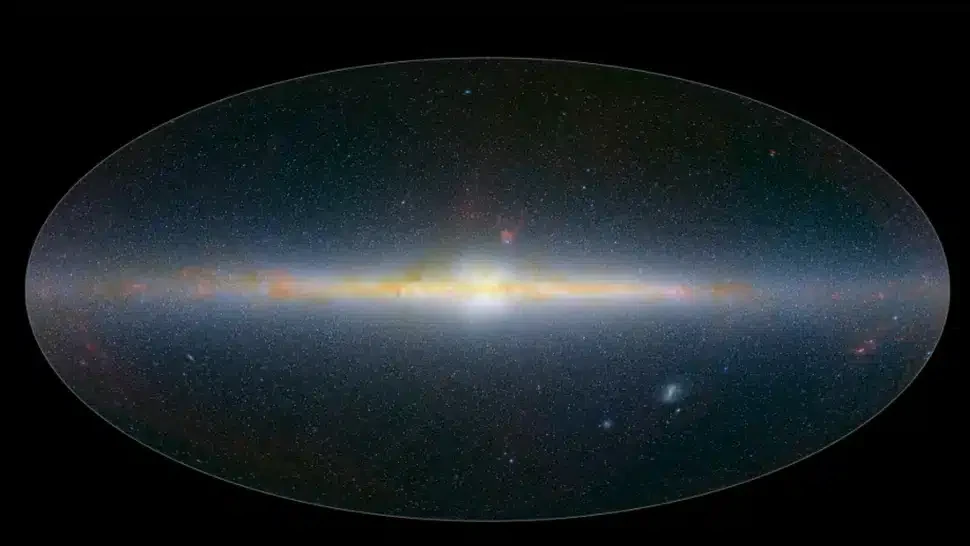
By traversing from pole to pole, the telescope gathers diverse images across Earth’s sky. According to NASA, it has recently finalized its inaugural all-sky survey. As Shawn Domagal-Goldman, head of NASA’s Astrophysics Division, highlighted:
“It’s incredible how much information SPHEREx has collected in just six months… I think every astronomer is going to find something of value here.”
Each captured image grants astronomers fresh perspectives on cosmic forces that have shaped our universe over billions of years.
Sky Surveyed Across 102 Wavelengths
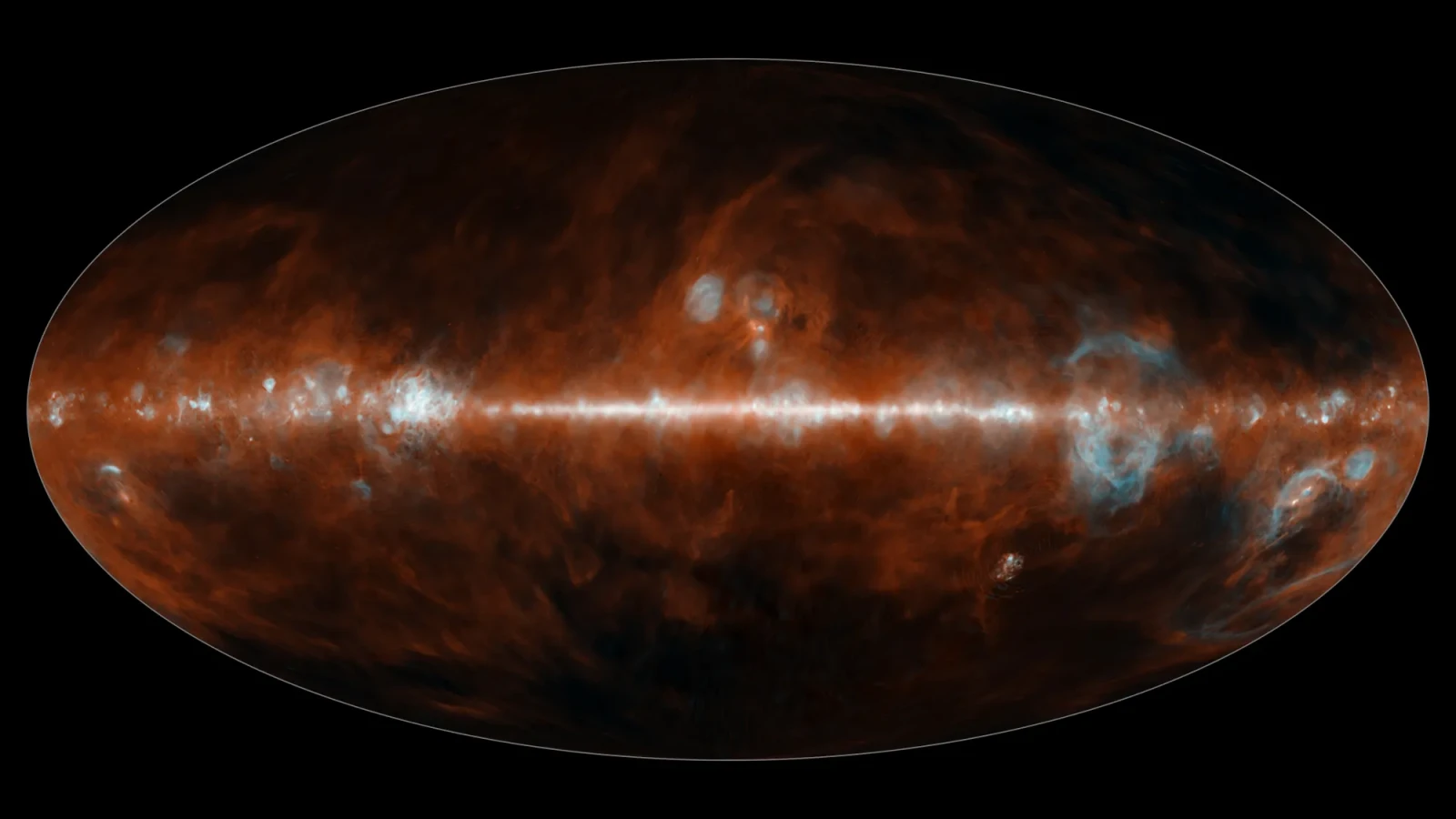
A standout aspect of the SPHEREx project is its ability to scan the entire sky across 102 unique wavelengths. Each wavelength uncovers subtle details about celestial bodies not visible in other bands.
“I think this makes us the mantis shrimp of telescopes, because we have an amazing multicolor visual detection system, and we can also see a very wide swath of our surroundings,” explained Beth Fabinsky, the SPHEREx project manager at JPL.
By combining images across many wavelengths, the mission enriches our ability to explore fundamental cosmic mysteries such as galaxy formation and the origins of stars and planets with unprecedented clarity.
The Road Ahead for SPHEREx
While the first sky map is a landmark accomplishment, SPHEREx’s mission is far from complete. Over its planned two-year duration, the telescope will perform three more comprehensive all-sky sweeps, each enhancing the existing data with new observations.
SPHEREx’s findings will leave a lasting mark on astrophysical research. As stated by JPL Director Dave Gallagher, “SPHEREx is a mid-sized astrophysics mission delivering big science,” with NASA further emphasizing:
“Those measurements will offer insights into an event that took place in the first billionth of a trillionth of a trillionth of a second after the big bang.”
- Categories:
- Astronomy











0 comments
Sign in to Comment