
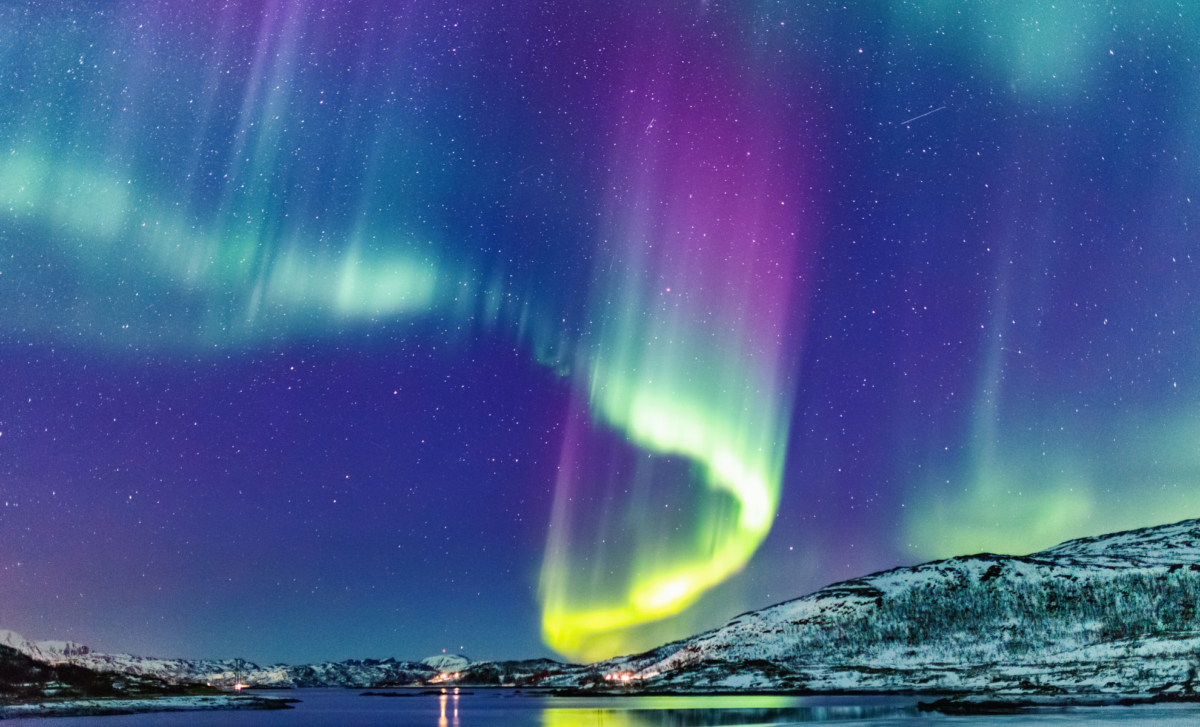
On February 14, 2026, stargazers across the United States have the chance to catch a rare glimpse of the Northern Lights. The National Oceanic and Atmospheric Administration (NOAA) has issued an alert for 12 states where the Aurora Borealis will be visible this evening. This luminous phenomenon, commonly concentrated in high-latitude regions, is expected to grace not only Alaska but also several other states, making for a memorable Valentine’s Day spectacle. Enhanced solar activity is behind this spectacular celestial event.
A Brilliant Display in the Night Sky
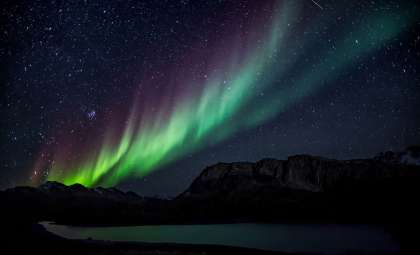
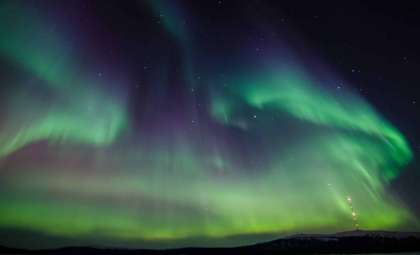
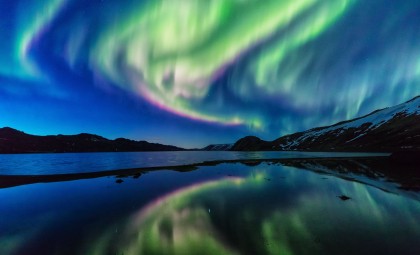
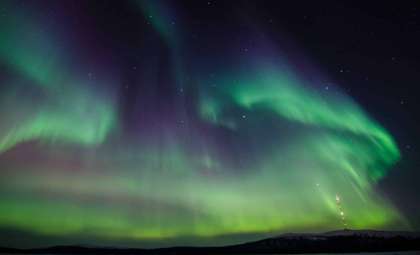
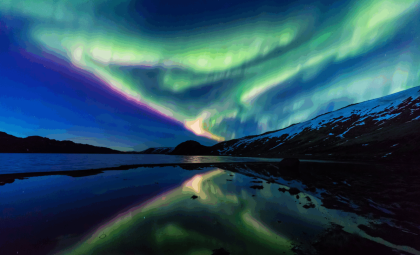
The Aurora Borealis is one of nature’s most breathtaking light shows, typically observable in places such as Alaska, parts of Canada, and northern Europe. These lights appear when solar wind particles collide with Earth’s magnetic field and energize gases like oxygen and nitrogen in the atmosphere, creating vibrant colors including greens, purples, and reds.
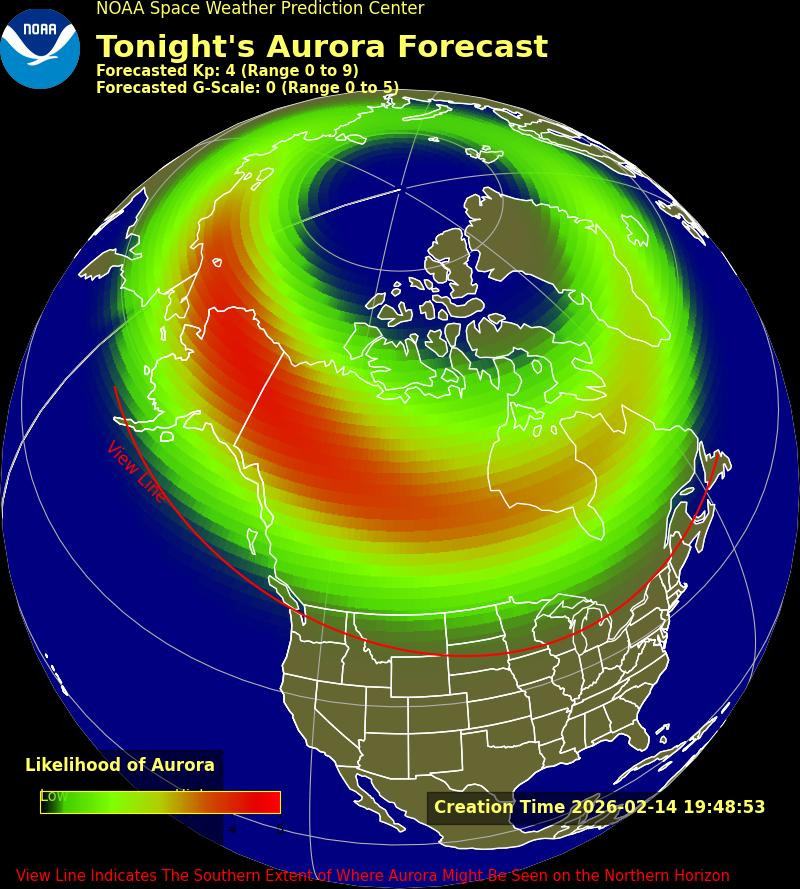
Due to heightened solar activity tonight, the Northern Lights will be visible across 12 U.S. states, offering viewers outside the usual range a rare treat. The event’s intensity can fluctuate, but current conditions suggest a strong display, lighting up the skies even in regions unaccustomed to such sights. Residents in Alaska and northern parts of the country may witness a dazzling, colorful aurora lasting well into the night.

Insights from NOAA on Tonight’s Forecast
Experts at NOAA’s space weather center have tracked the solar activity leading to this event and anticipate the Aurora Borealis will be visible within a dozen states tonight. This phenomenon results from solar storms propelling charged particles toward Earth, which then interact with our atmosphere to create glowing lights.
As the sun nears the peak of its 11-year cycle, increased solar flare activity enhances the chances for a spectacular aurora. According to a NOAA forecast, the prime viewing window runs from 10 p.m. to midnight local time, though some areas may see lights lasting until dawn. Remarkably, states rarely treated to this display, including New York and Michigan, could witness the aurora tonight, with northern locales likely enjoying the most vivid views.
Best Spots and Timing for Viewing
For those hoping to experience the Aurora Borealis, choosing an ideal location is key. Clear, dark skies away from city lights provide the optimal conditions for spotting the Northern Lights. Light pollution from urban environments can greatly diminish visibility, so rural settings, parks, and open expanses are recommended for the best chance to see the full auroral display.
The peak time to catch the spectacle is between 10 p.m. and midnight, although the lights could linger into the early morning, especially across northern states like Alaska, Minnesota, and Wisconsin. Checking local weather forecasts for clear skies will increase the likelihood of an unobstructed view.
Anticipated Visual Experience of Tonight’s Aurora
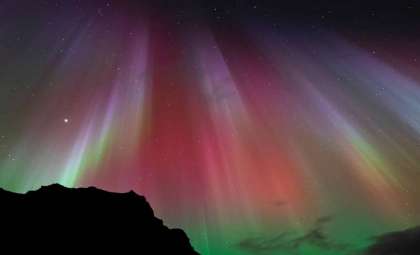
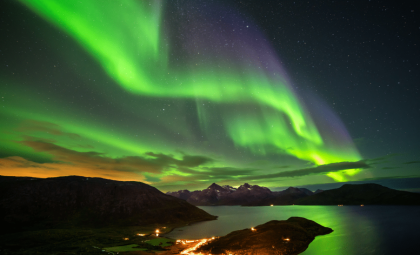
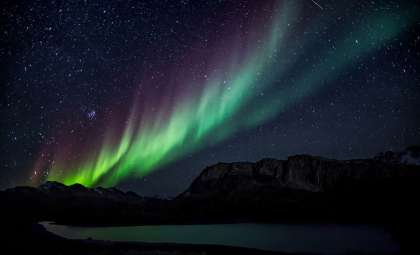
Tonight’s Aurora is anticipated to be a vivid, multicolored exhibit featuring hues of green, red, purple, and pink across the horizon. These varying colors arise from different atmospheric gases reacting to solar particles—oxygen generates green and red shades, while nitrogen creates the purples and pinks. The aurora’s brightness depends on the solar storm’s strength, expected to be intense enough to allow many observers, even in traditionally less-favored locations, to see the lights.
Instances of the Northern Lights appearing so far south are uncommon, but the current solar activity cycle is producing an especially remarkable display. States such as New York and Michigan might provide rare views, presenting a unique experience for many enthusiasts.
Understanding Solar Storms and Aurora Formation
Solar storms, responsible for the Northern Lights, occur when the sun emits bursts of high-energy particles directed at Earth. When these charged particles enter Earth's atmosphere, they excite gases, producing the luminous phenomenon known as the aurora.
NOAA explains that these storms fluctuate on an 11-year solar cycle, intensifying as the sun reaches its solar maximum. Tonight’s event corresponds with this phase, promising an intense auroral display. With NOAA’s advanced space weather tracking, residents in the affected regions received timely notifications, allowing them to prepare for tonight’s skyward spectacle.
- Categories:
- News

0 comments
Sign in to Comment