
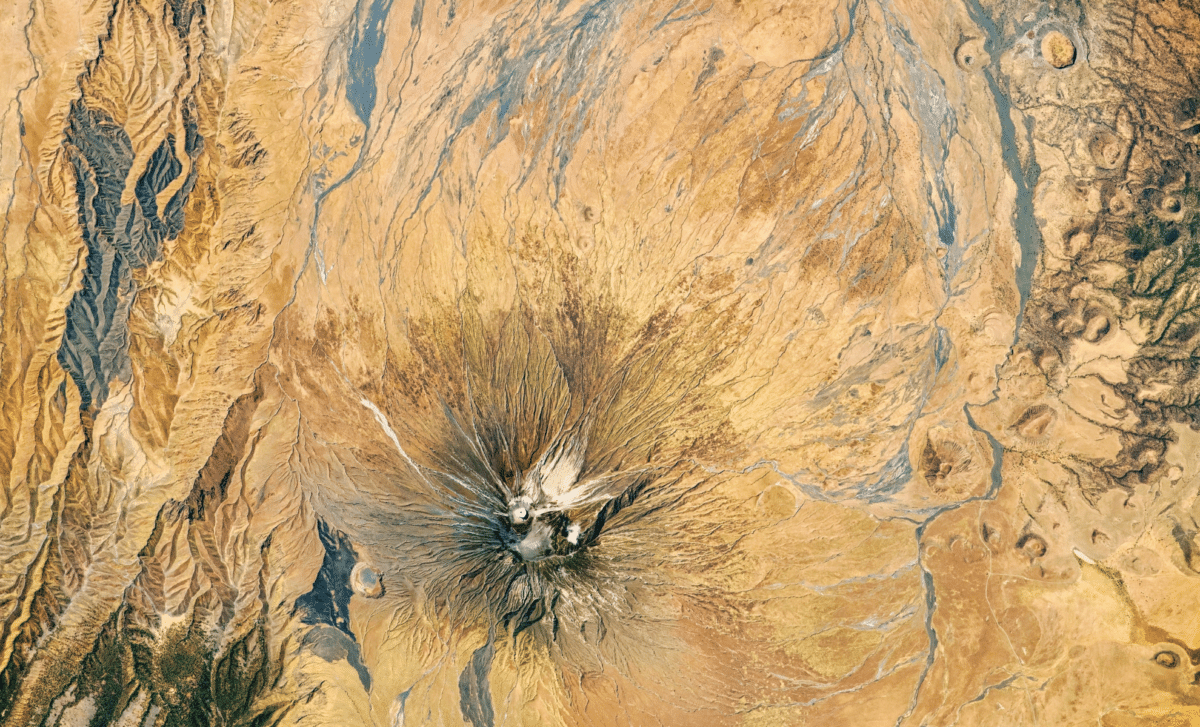
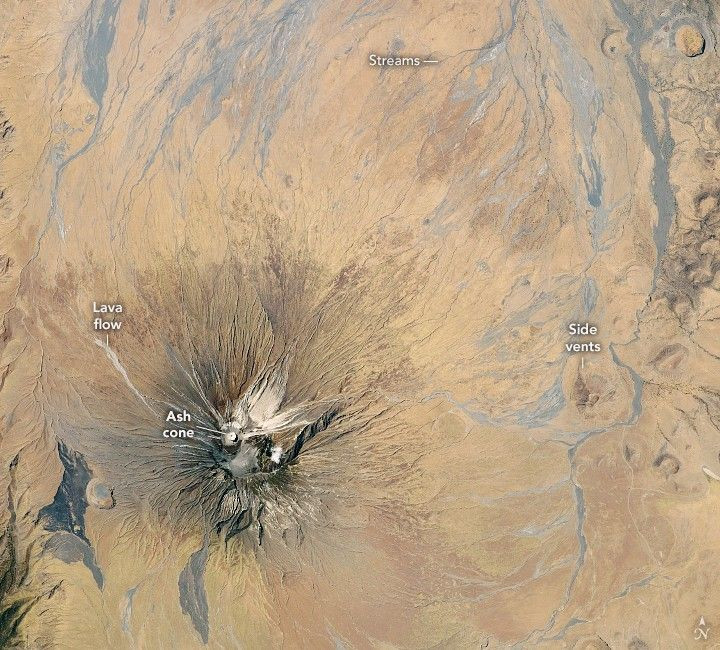
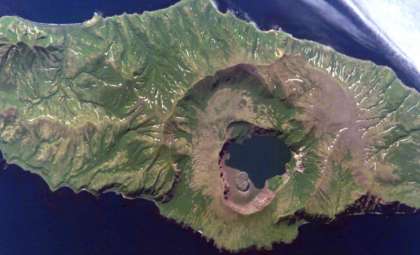
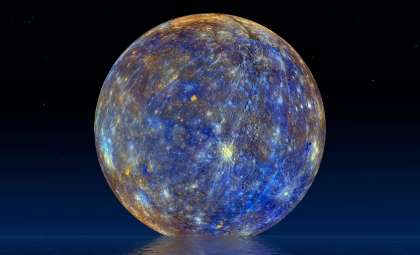
A distinctive volcanic site in Tanzania, Ol Doinyo Lengai, might provide crucial insights into the mysterious bright depressions called “hollows” found on Mercury’s surface, according to new research published in Icarus. The volcano’s rare carbon-rich lava sheds light on how the planet closest to the Sun might develop these unusual geological formations under extreme conditions.
Discovering Unconventional Lava at the Mountain of God
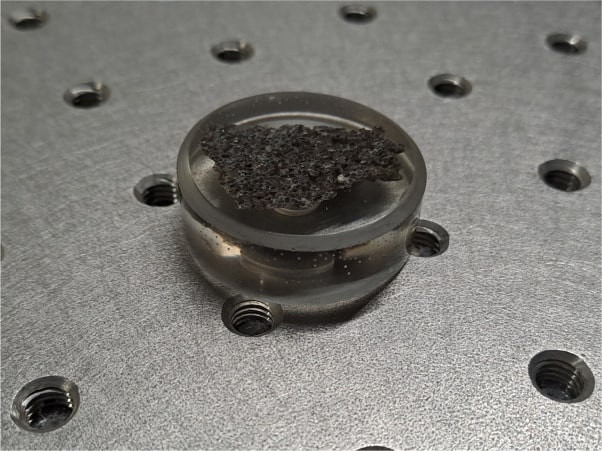
Ol Doinyo Lengai, regarded as the Mountain of God by the Maasai and Sonjo communities, erupts carbonatite lava—a rare igneous rock with over half of its composition being carbon. Unlike typical silicate lavas on Earth, this carbonatite lava melts at temperatures approximately 100°C cooler, ranking it among the coolest lavas globally. Scientists hypothesize that if Mercury’s subsurface is similarly rich in carbon, comparable volcanic activity might explain the hollow features observed there.
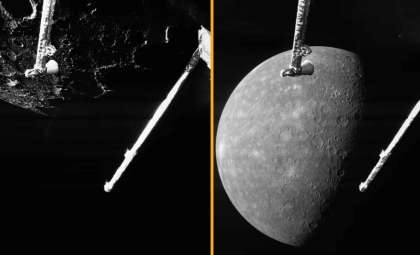
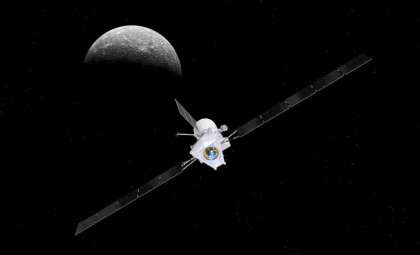
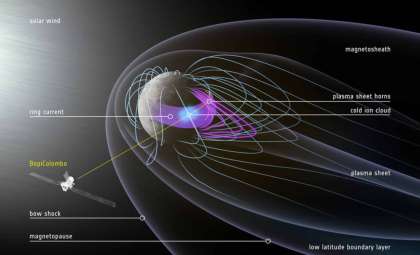
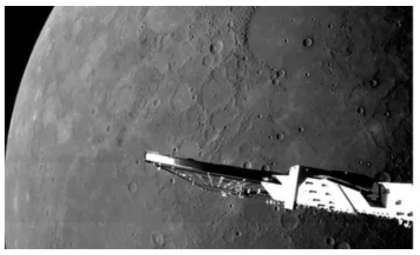
Experiments have isolated molten carbonatite samples to analyze their unaltered chemistry and spectral characteristics. These results will aid in interpreting infrared data collected by the BepiColombo mission, a European-Japanese endeavor heading to Mercury. Comparing terrestrial carbonatites with Mercury’s surface may finally clarify the geological processes behind the planet’s unusual features.

The Challenge of Mercury’s Hollow Structures
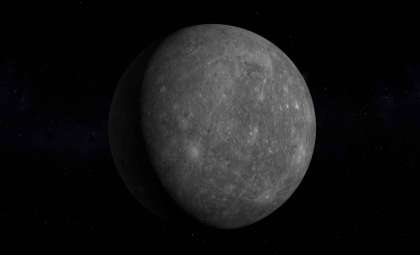
“Although Mercury’s surface resembles the Moon’s, it surprisingly hosts no large volcanoes,” explained Maximilian Paul Reitze, a planetary scientist at Universität Münster and lead author of the Icarus paper. Given Mercury’s lack of Earth-like volcanism, it should appear mostly geologically inactive. Reitze added, “We require a form of volcanism compatible with Mercury’s environment” to account for its geologically young hollows, which might still be forming.
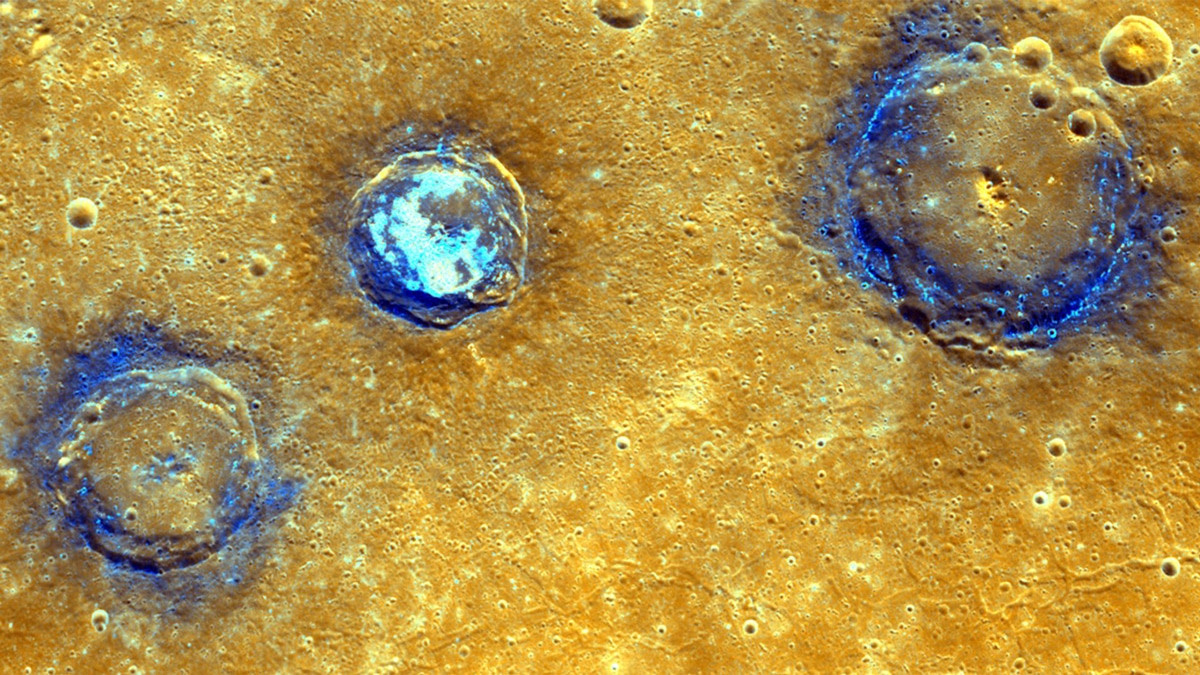
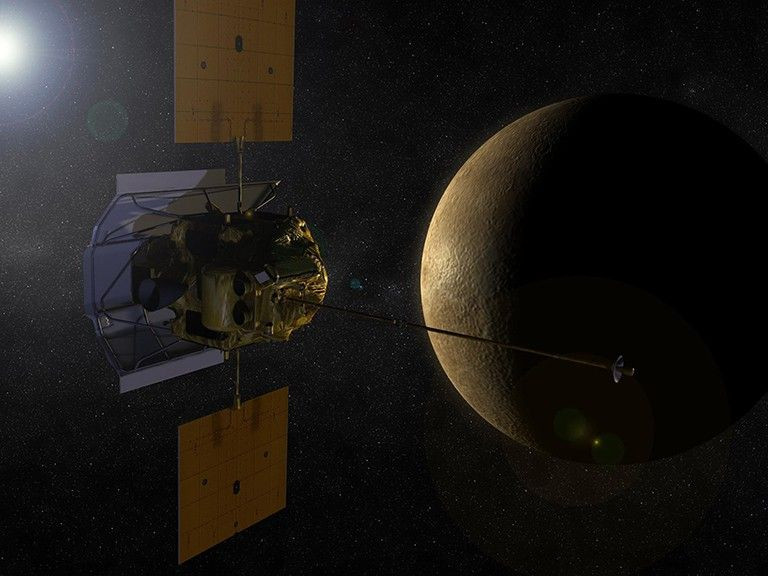
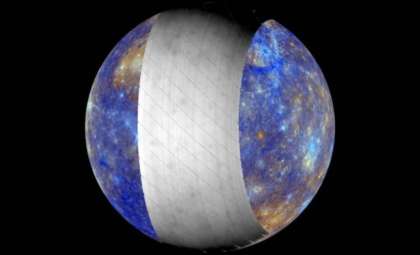
Despite comprehensive data from NASA’s MESSENGER mission, which studied Mercury from 2011 to 2015, scientists have yet to pinpoint the origin and composition of these hollows. Initial theories suggested sulfide minerals in Mercury’s crust might drive volcanism, but their thermal stability at very high temperatures complicates this explanation for the formation of these geologically young features.
Could Carbonatite Lava Explain Mercury’s Features?
The recent study in Icarus proposes that impacts from meteorites could heat carbon-enriched magma beneath Mercury’s surface, prompting eruptions that result in the hollows. Earthly examples like Ol Doinyo Lengai provide a living laboratory to observe carbon-based lava behaviors under extreme environments. This mechanism might explain the hollow distribution near crater walls and central peaks.
“Sulfides remain stable up to around 1,000°C, which doesn’t align with the explosive volcanic activity necessary to create these hollows,” Reitze stated. The carbonatite lava hypothesis offers a stronger candidate, but conclusive evidence awaits further observations from the BepiColombo mission.
Debate and Data Limitations
Paul Byrne, a planetary expert at Washington University in St. Louis not involved in this research, highlighted current uncertainties: “It’s confirmed there’s carbon in Mercury’s crust, but it’s present in very small amounts.” He added that regions with elevated carbon don’t coincide with the hollows’ locations, suggesting Mercury’s crust may contain more carbon than anticipated if the carbonatite theory is valid.
Byrne described Mercury as “a molten iron core surrounded by a thin rocky shell, likely stripped by early massive impacts.” Despite these complications, he remains open to the carbonatite explanation: “It’s a compelling idea, though I wouldn’t claim it’s the sole cause of the hollows. Planetary science often challenges our assumptions. I consider it a plausible avenue but remain cautiously skeptical.”
- Categories:
- News

0 comments
Sign in to Comment