
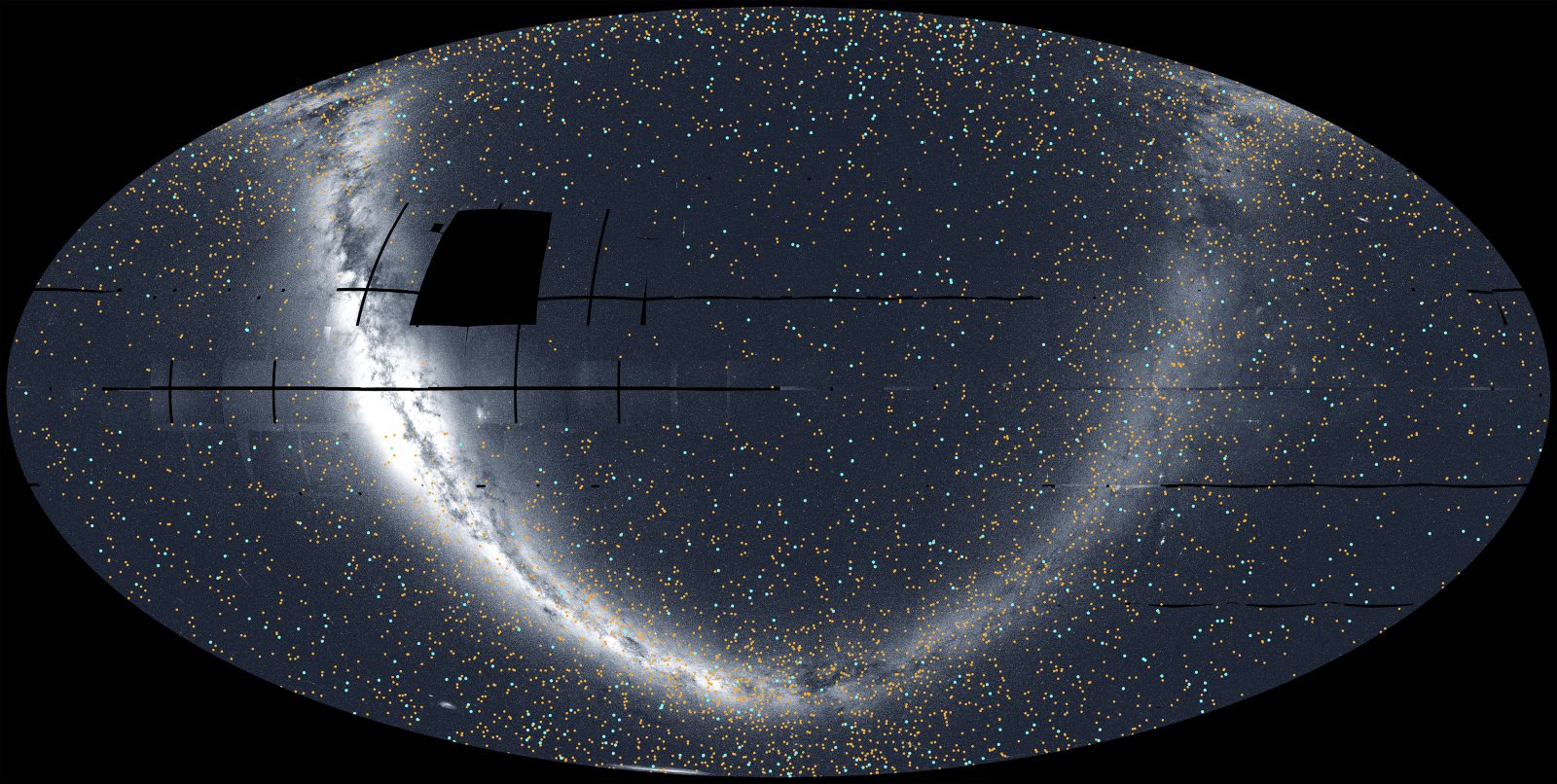
NASA has released the most comprehensive panoramic image yet from its Transiting Exoplanet Survey Satellite (TESS), showcasing an astonishing sky filled with thousands of possible alien planets. This extensive all-sky composite merges years of data into one sweeping visual, highlighting nearly 6,000 confirmed and suspected exoplanets discovered throughout our galaxy. Beyond its stunning appearance, this map represents one of the most extensive exoplanet surveys to date and a significant milestone in the quest to find life beyond Earth.
Surveying the Entire Sky Over Seven Years
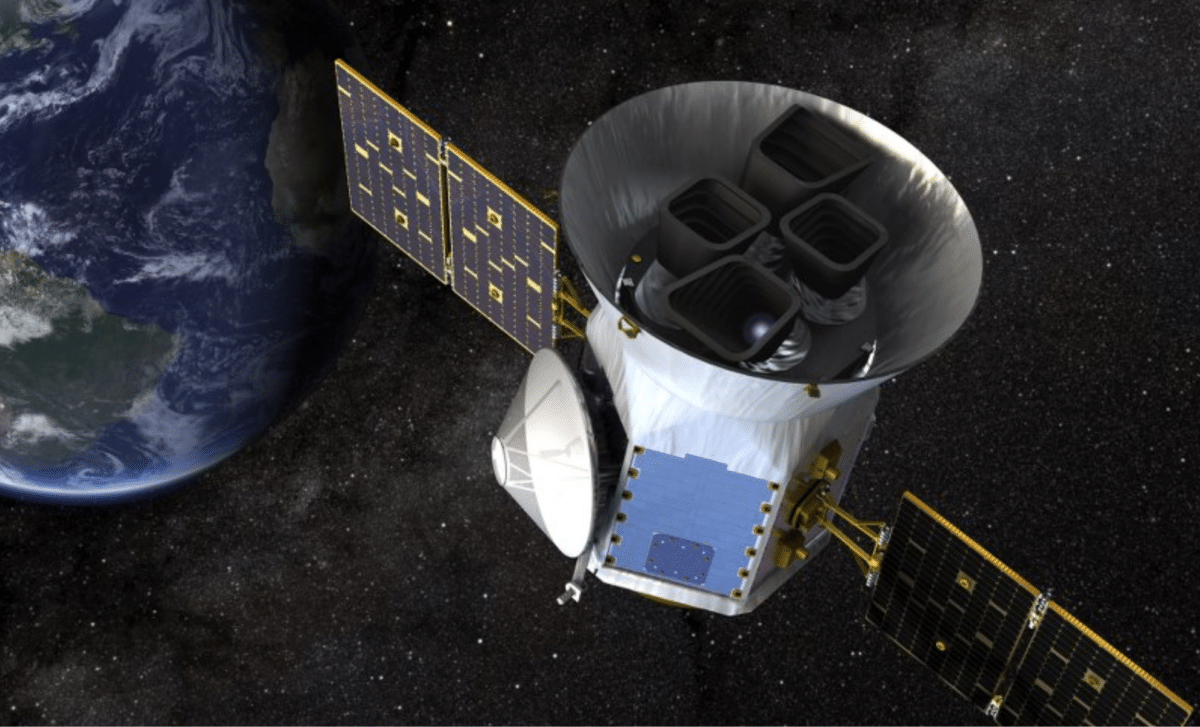
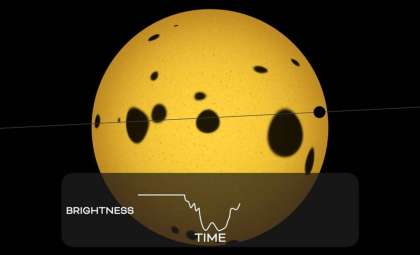
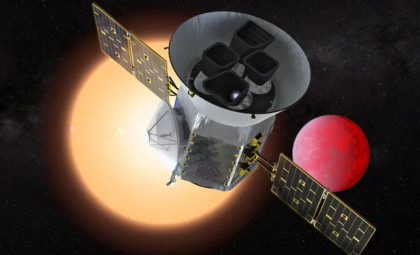
Launched in 2018, NASA’s TESS mission has methodically scanned large swaths of the sky with four wide-angle cameras designed to detect tiny changes in star brightness. By tracking brief dips in light caused when planets cross in front of their stars—a method called the transit technique—the mission has assembled an impressive database of distant planetary systems, many strikingly different from those in our solar system.
This new mosaic merges data from 96 sectors of the sky observed between April 2018 and September 2025, with each sector representing about a month of continuous data collection. This extensive monitoring has helped scientists confirm recurring signals indicative of orbiting planets. The resulting image presents a spectacular stellar panorama, with nearly 700 confirmed exoplanets shown as blue dots and over 5,000 candidate planets marked in orange, awaiting confirmation.

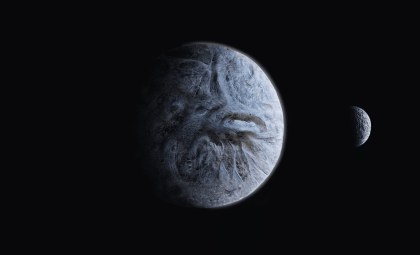
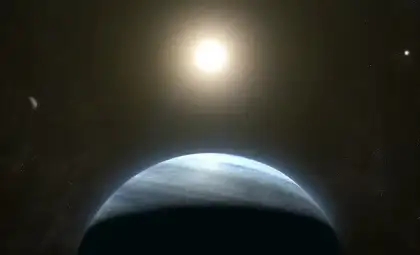
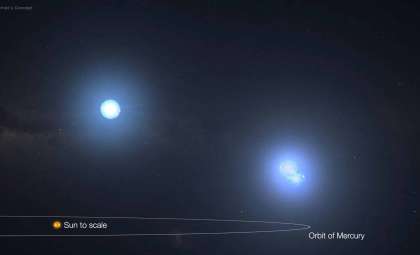
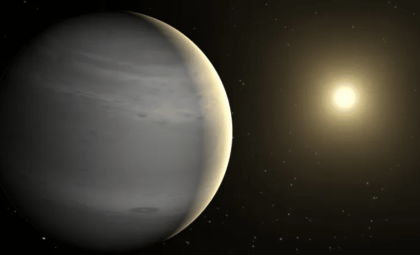
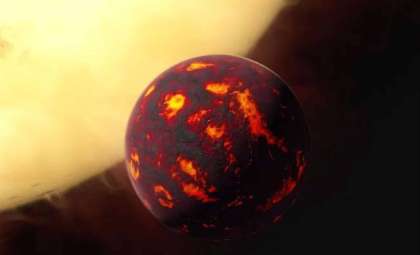
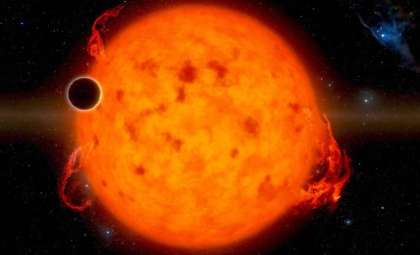
The catalog includes a variety of worlds: volcanic planets, colossal gas giants exceeding the size of Jupiter, and extreme environments where planets are gradually disintegrated by stellar forces. Some orbit binary star systems, creating the captivating phenomenon of double sunrises and sunsets. Others lie within the habitable zones of their stars, where conditions might support liquid water on planetary surfaces.
“Over the last eight years, TESS has become a fire hose of exoplanet science,” said Rebekah Hounsell, a TESS associate project scientist at the University of Maryland Baltimore County and NASA’s Goddard Space Flight Center in Greenbelt, Maryland. “It’s helped us find planets of all different sizes, from tiny Mercury-like ones to those larger than Jupiter. Some of them are even in the habitable zone, where liquid water might be possible on the surface, an important factor in our search for life beyond Earth.”
A Window to the Cosmos Beyond Exoplanets
The mosaic released by NASA does more than catalogue distant worlds. It offers a grand depiction of cosmic structures surrounding our planet. Dominating the center is the luminous arc of the Milky Way galaxy, dense with stars and interstellar dust. In the bottom left of the frame, two radiant white spots reveal the Large and Small Magellanic Clouds, nearby dwarf galaxies approximately 160,000 and 200,000 light-years away.
This imagery illustrates how TESS has grown beyond its initial mission focus. While its primary objective remains detecting planets orbiting nearby stars, the spacecraft has become instrumental in investigating diverse astrophysical processes. Researchers have utilized TESS data to monitor stellar flares, follow asteroid trajectories near Earth, and study youthful star clusters traveling through the galaxy.
The vast archive amassed by the mission has gained further importance thanks to advancements in automated data processing. Sophisticated algorithms can analyze enormous brightness datasets rapidly, revealing subtle phenomena that might elude manual examination.
“The more we dig into the large TESS dataset, especially using automated algorithms, the more surprises we find,” said Allison Youngblood, the TESS project scientist at NASA Goddard. “In addition to planets, TESS has helped us study rivers of young stars, observe dynamic galactic behavior, and monitor asteroids near Earth. As TESS fills in more of the night sky, there’s no knowing what it might see next.”
How TESS Advances the Hunt for Extraterrestrial Life
The true value of TESS is not just the volume of exoplanets it uncovers but the types of planets it identifies. Unlike earlier missions that targeted distant, faint regions, TESS focuses on stars close to Earth. This enables detailed follow-up observations with powerful instruments such as the James Webb Space Telescope, capable of probing planetary atmospheres for signs of life.
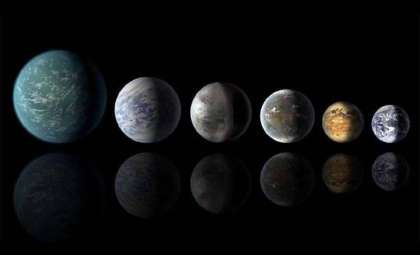
A significant number of TESS’s discoveries are planets orbiting cooler, smaller stars, where habitable-zone planets complete orbits quickly, easing their detection. Researchers are particularly keen on rocky worlds similar in size to Earth because they may hold the greatest promise for revealing atmospheric biosignatures, including gases possibly connected to biological activity.
This mission has revolutionized exoplanet science by dramatically increasing the population of known planets suitable for further study. Across all platforms—including TESS, the now-retired Kepler Space Telescope, and various Earth-based observatories—astronomers have confirmed over 6,270 exoplanets. Every new find contributes vital information about how planets and their systems develop and change over time.
As investigations continue and the database grows, the number of potential planets is expected to rise further. Upcoming discoveries may include Earth-sized planets orbiting stars close enough to scrutinize their atmospheres in detail, an achievement poised to reshape our understanding of life in the cosmos.

0 comments
Sign in to Comment