
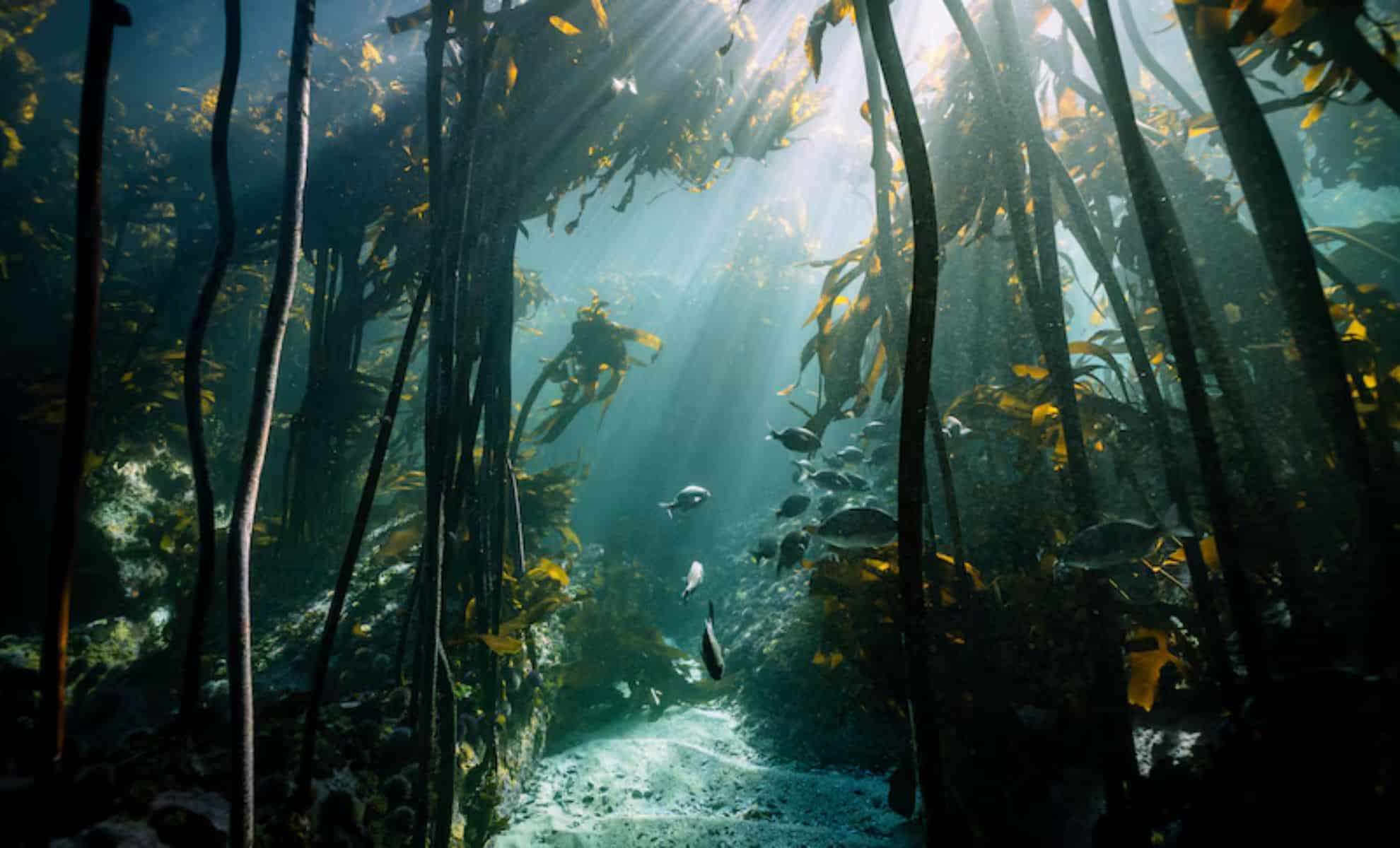
Hidden beneath the surface of Southeast Asia's waters lies the remarkable Coral Triangle, an underwater realm celebrated for its extraordinary marine variety. Covering an impressive 5.7 million square kilometers, this aquatic expanse stretches across six nations: the Philippines, Indonesia, Malaysia, Papua New Guinea, the Solomon Islands, and East Timor. Renowned as the “Amazon of the Sea,” the Coral Triangle boasts dazzling coral formations and supports countless species essential to local communities.
Yet, like the Amazon rainforest, this marine ecosystem confronts growing environmental pressures threatening its precious balance.
An Unrivaled Marine Biodiversity Hub
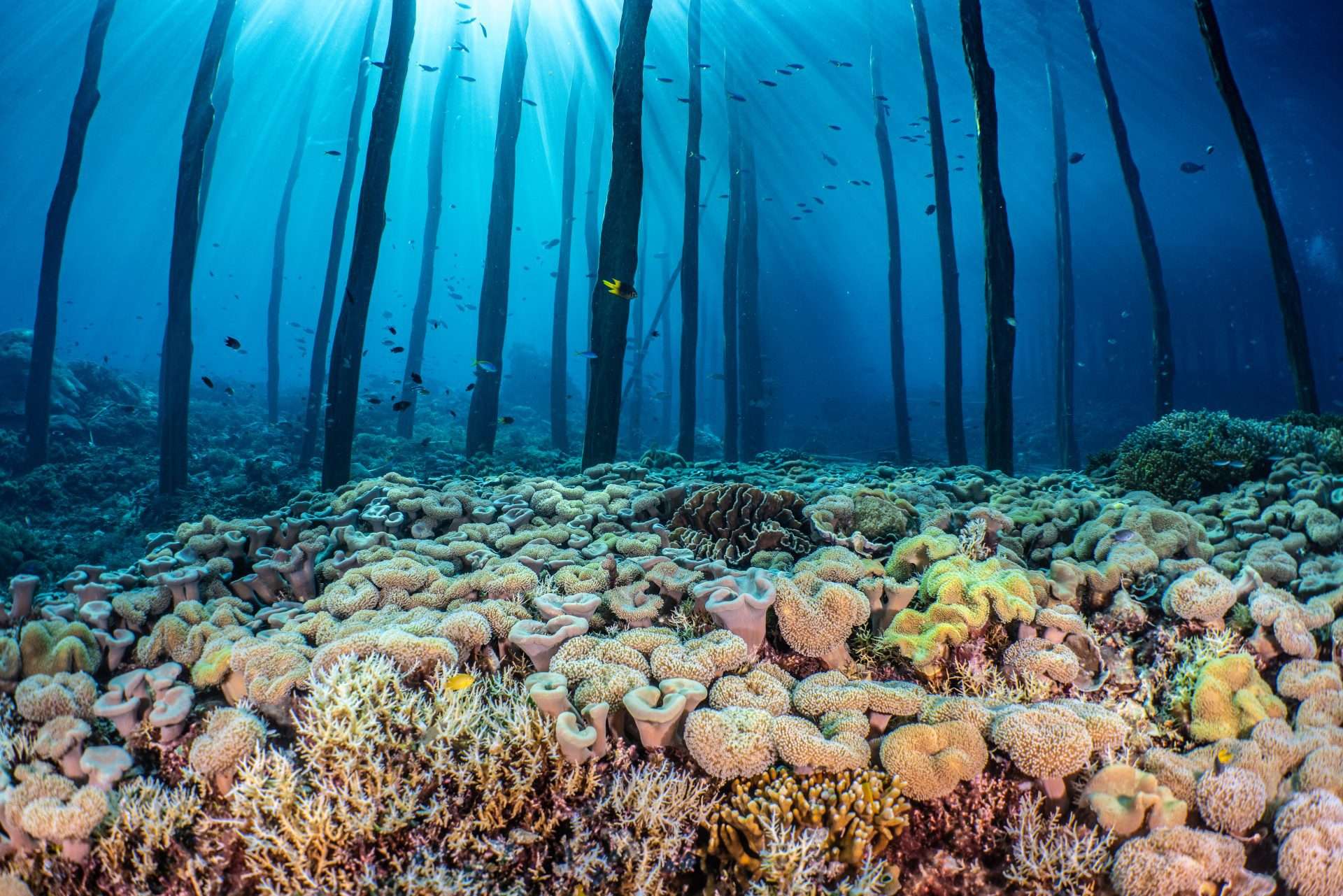
The Coral Triangle is home to a stunning diversity of marine life, including approximately 764 coral species, making it the richest concentration of coral biodiversity worldwide. It hosts over 3,000 fish species, which is more than twice the diversity observed in other oceanic regions. Nutrient-packed waters nourish this vibrant ecosystem, providing refuge for endangered marine animals such as sea turtles and manta rays.

This underwater paradise also serves as a popular destination for marine tourism. Its pristine reefs attract divers and snorkelers from across the globe, offering mesmerizing sights beneath the waves. Beyond tourism, the Coral Triangle supports the livelihoods and cultures of approximately 120 million individuals who rely on its resources daily.
Confronting Challenges in the Sea
Despite its vibrant ecosystems, the Coral Triangle is increasingly vulnerable. Unsustainable fishing, including harmful methods like dynamite and cyanide fishing, severely damages marine habitats. Industrial pressures such as irresponsible mining and oil extraction further disrupt the balance.
Climate change represents a critical and escalating threat. Rising ocean temperatures trigger coral bleaching, a condition where corals lose their nutrient-providing algae and vibrant hues. This weakens their defenses, making them prone to disease and die-offs, leading to widespread loss of reef habitats.
Additional factors stressing the Coral Triangle’s fragile environment include:
- Pollution: Marine debris and toxic runoff impair habitat health.
- Destruction of habitats: Coastal developments degrade essential marine ecosystems.
- Overfishing: Fish stocks decline faster than regeneration rates.
- Ocean acidification: Changes in water chemistry hinder corals’ ability to build skeletons.
The disappearance of these coral reefs would be disastrous, impacting both marine biodiversity and the millions who depend on these ecosystems.
Eco-tourism: A Path Toward Conservation
Promoting sustainable tourism emerges as a vital strategy for safeguarding the Coral Triangle. By adopting eco-friendly travel practices, visitors can enjoy this extraordinary region while helping to protect it. Sustainable tourism initiatives focus on lowering carbon emissions, empowering local economies, and minimizing ecological footprints.
Ongoing programs support responsible tourism in the Coral Triangle, connecting conscientious travelers with tours and experiences centered on conservation. These offerings include:
- Diving adventures in famous biodiversity hotspots like Raja Ampat and Komodo.
- Liveaboard sailing experiences designed to reduce environmental impacts.
- Eco-conscious accommodations that emphasize preservation efforts.
Such initiatives not only safeguard ecosystems but also educate visitors about marine protection.
The Global Importance of the Coral Triangle
The Coral Triangle holds profound global significance beyond its stunning marine life. It is a vital source of seafood that sustains both local and international communities. Its coral reefs serve as natural shields against coastal erosion and storm damage. Additionally, the area’s biodiversity presents invaluable scientific opportunities to study ecosystem resilience and discover new marine life.
Conserving this underwater jewel is more than an ecological priority—it is critical for economic sustainability and cultural preservation. Protecting the Coral Triangle secures a thriving future for the ocean’s inhabitants and the millions who depend on its resources.
- Categories:
- Nature







0 comments
Sign in to Comment