
From January 23 to 25, 2025, skywatchers in the Northern Hemisphere have a stellar weekend ahead. The nights will showcase Saturn, a waxing moon, and Sirius, the most luminous star visible from Earth. With planetary encounters and dazzling winter constellations, it's an excellent time to enjoy the wonders above.
Friday, January 23: Final Close Encounter of the Crescent Moon and Saturn
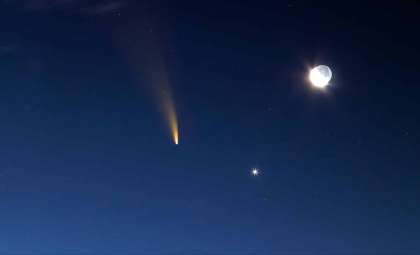
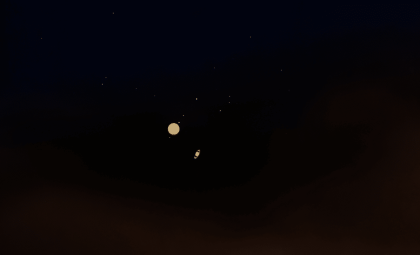
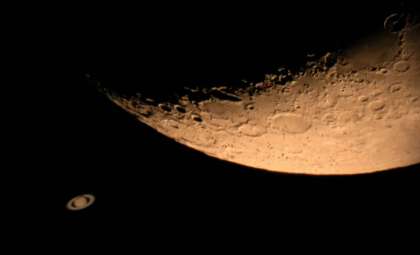
On Friday, January 23, the weekend begins with the last glimpse of a three-night celestial duet between the waxing crescent moon and Saturn. After sunset, look toward the west-southwest, where a 26% illuminated moon hovers just above the soft golden shine of Saturn. This visual pairing not only delights the eye but symbolizes Saturn’s gradual departure from the evening sky as it moves closer to the sun’s glare.
This close alignment offers an easy way to follow Saturn’s nightly retreat. Although the moon will quickly move beyond, Saturn will disappear from view by early March. For now, it’s a perfect chance to observe the planet’s warm amber light side-by-side with the crescent moon, particularly striking through binoculars or a telescope.

Saturday, January 24: Sirius, The Night Sky’s Brightest Jewel
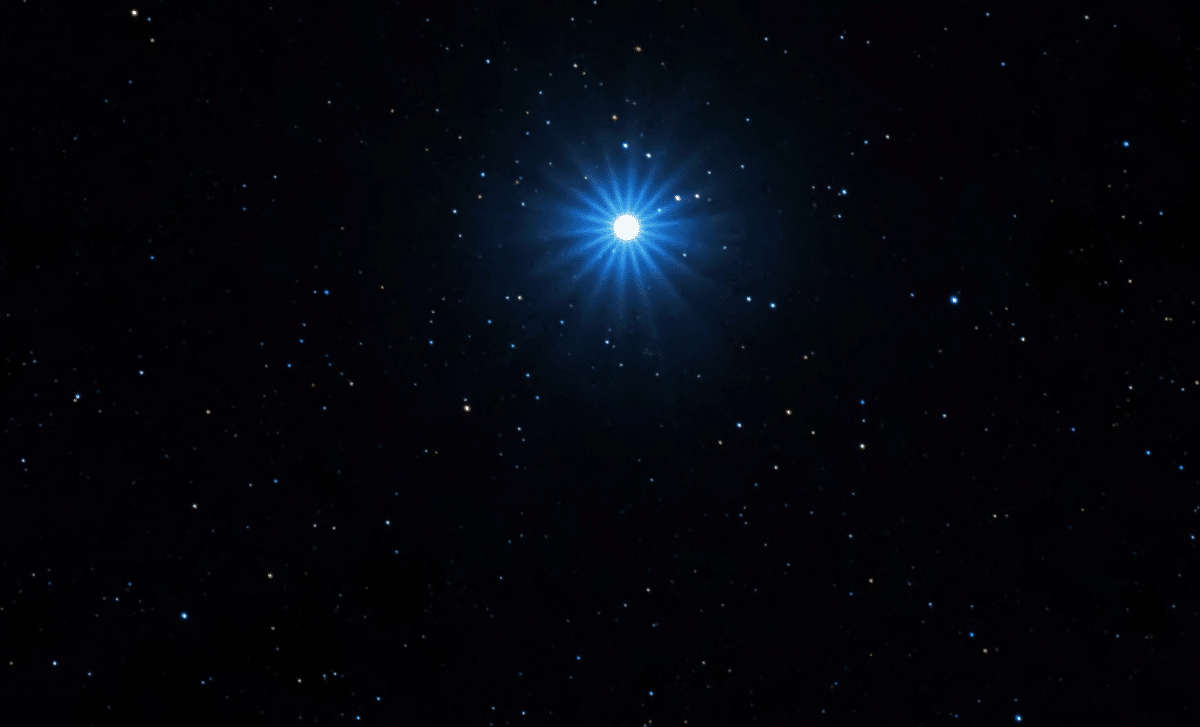
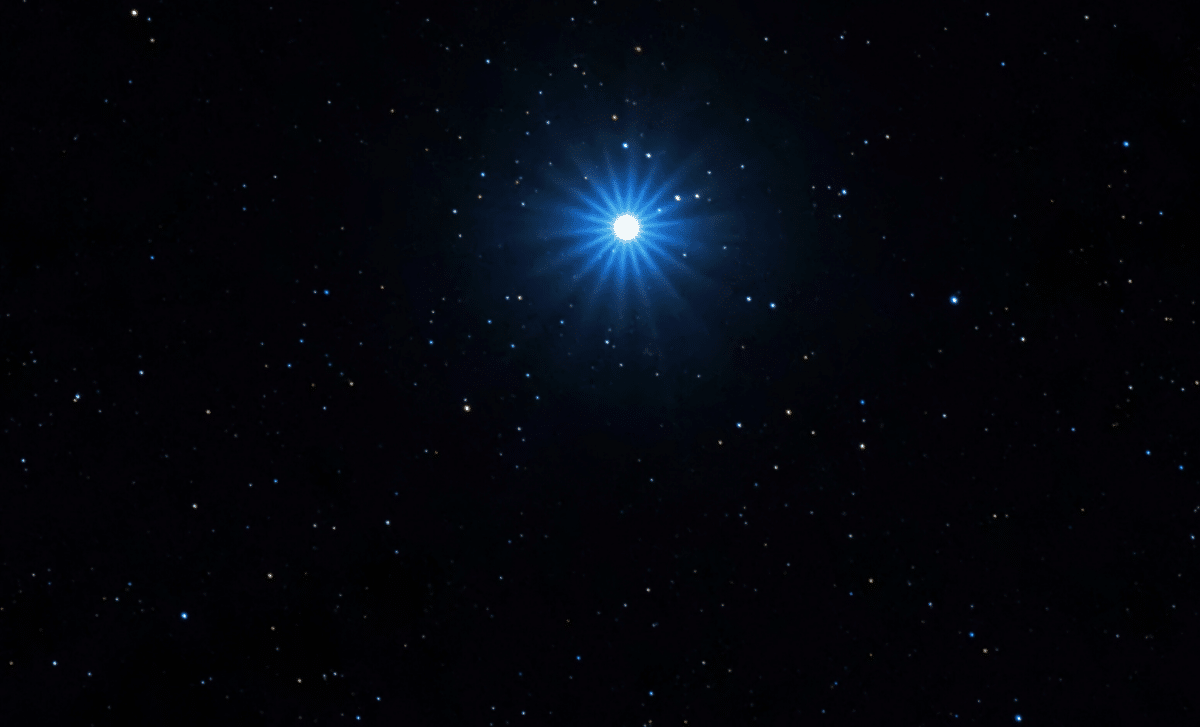
Saturday evening turns attention to stellar brilliance with Sirius, the brightest star visible on Earth’s night canvas, shining prominently in the southeastern horizon after sunset. Nestled within the Canis Major constellation, Sirius lies just below Orion and can be found by tracing a line down from Orion’s Belt.
As noted by Space.com, Sirius owes its dazzling appearance to both its proximity and intrinsic brightness. Being just 8.6 light-years away, it’s among Earth's closest stellar neighbors. Sirius is in fact a binary system composed of Sirius A, a massive blue-white star, and its companion, Sirius B, a faint white dwarf. Atmospheric turbulence often causes Sirius to twinkle in shades of red, blue, and white, contributing to its magical allure.
Since Sirius is low on the horizon, its light passes through more atmospheric layers, creating a colorful shimmering effect. This sometimes causes viewers to mistake it for flashing aircraft or unidentified flying objects. Clear skies on Saturday night offer an optimal opportunity to observe this celestial beacon at peak brightness.
Sunday, January 25: First Quarter Moon Showcases Lunar Landscape
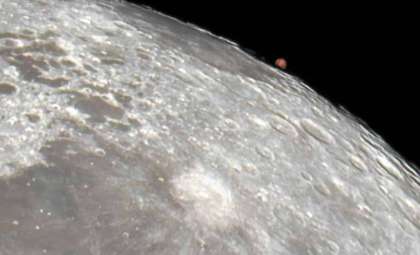
Returning the spotlight to our natural satellite, Sunday’s moon reaches its first quarter phase, positioned high in the southern sky after dark. Unlike earlier in the week’s thin crescent, the moon will reveal a half-illuminated face, perfect for highlighting surface details. Along the terminator—the line separating lunar day and night—shadows created by craters and mountain ranges appear distinct.
This side lighting emphasizes sharp contrasts in the moon’s features, bringing elements such as rims, ridges, and the highlands into clear view. Even using binoculars or a modest telescope allows enthusiasts to trace the lunar surface and appreciate its rugged terrain. As Space.com points out, this phase offers one of the best chances to observe the moon's textures and structures each month.
With the moon elevated well above the horizon, atmospheric distortion is reduced, making Sunday night ideal for lunar observation or photography, providing a captivating glimpse of our Earth's celestial neighbor.
- Categories:
- News

0 comments
Sign in to Comment