
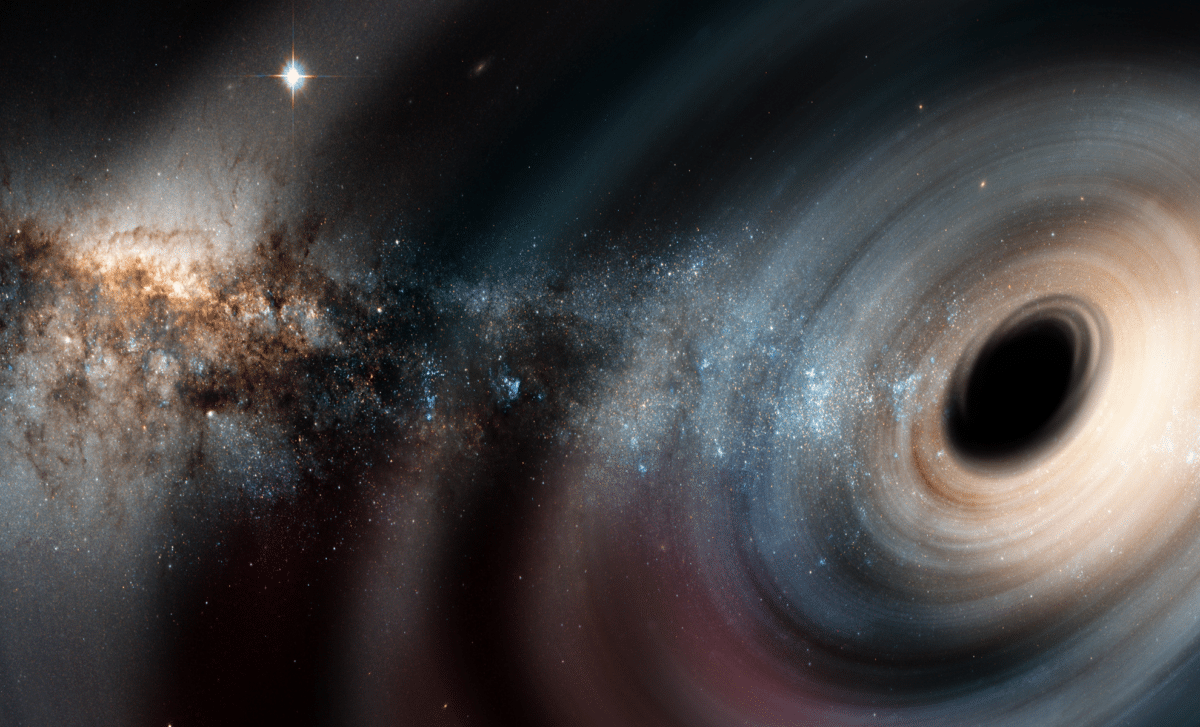
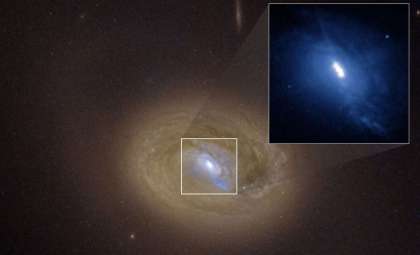
XRISM has unveiled a supermassive black hole, IRAS 05189-2524, suddenly springing to life and propelling immense, high-velocity cosmic jets within a starburst galaxy. This remarkable event provides an exceptional glimpse into the turbulent forces that shape the relationship between massive black holes and their host galaxies. Findings, soon to be featured in a special issue of the Astrophysical Journal Letters, are expected to deepen our understanding of black hole influence on their cosmic surroundings.
A Colossal Cosmic Awakening
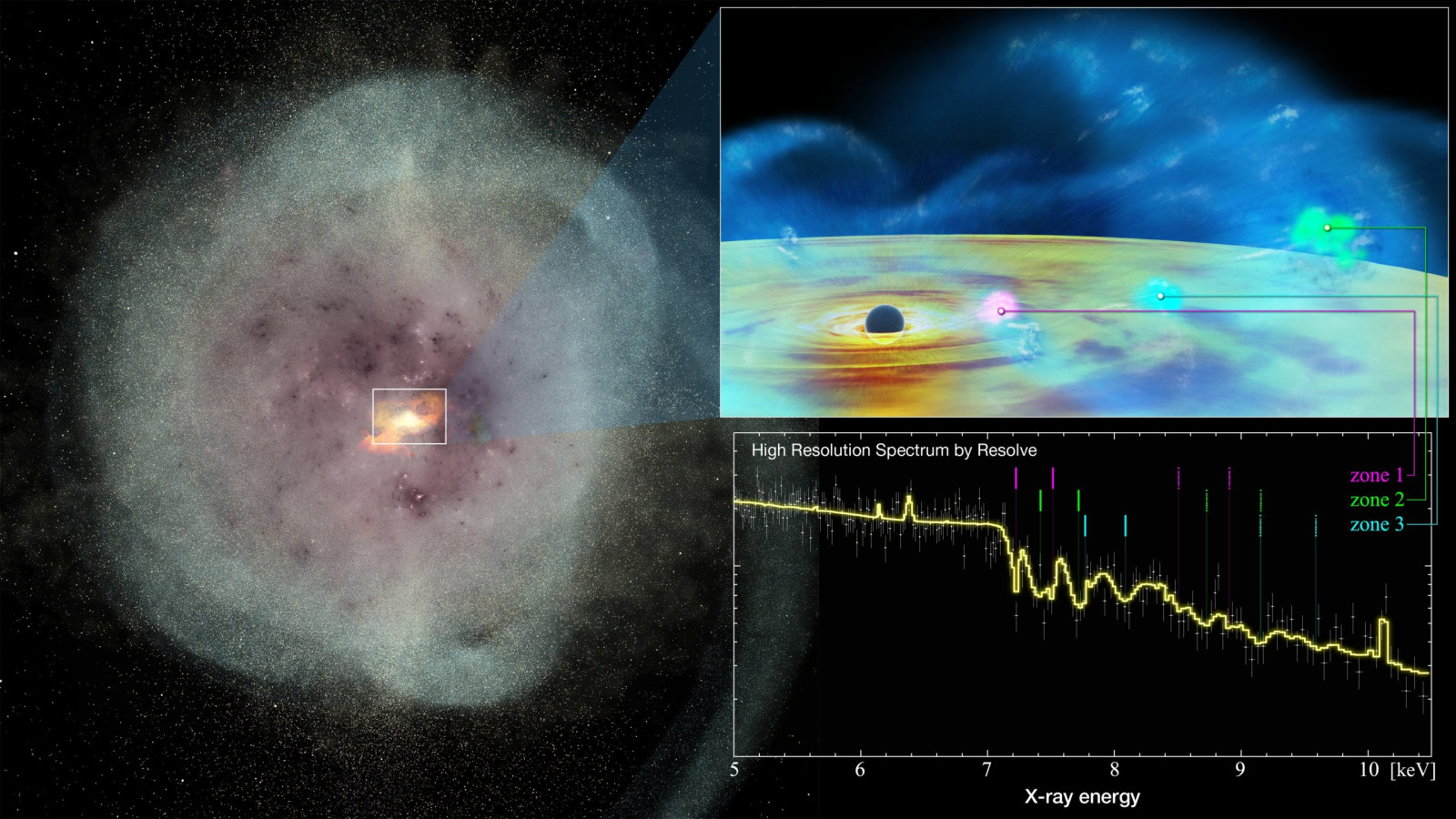
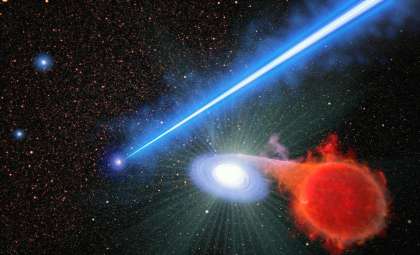
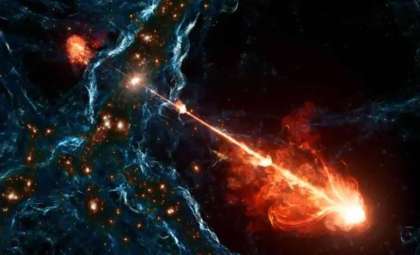
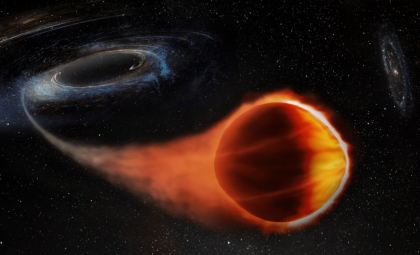
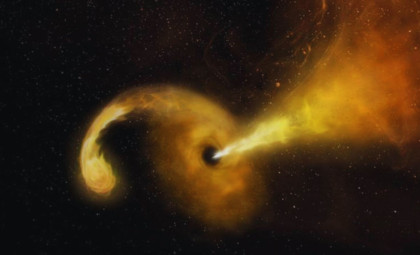
Developed by the Japan Aerospace Exploration Agency (JAXA), the XRISM observatory has provided invaluable observations of a dramatic cosmic event. Deep inside a starburst galaxy, the previously quiet supermassive black hole IRAS 05189-2524 erupted, ejecting streams of energized matter at extraordinary speeds. These 'cosmic bullets' travel vast distances, revealing dynamic processes near the black hole.
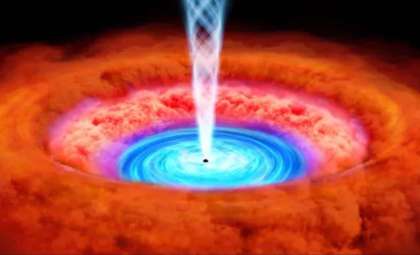
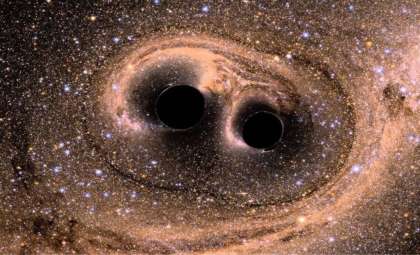
This breakthrough offers an unprecedented perspective on black hole activity, which until now was mostly theoretical or seen in other galaxies at earlier stages. XRISM’s superior imaging capabilities allowed for real-time capture of this intense activity. The jets, composed of hot gases from the black hole’s accretion disk—a swirling mass of infalling matter heated to extreme temperatures—shed light on how black holes interact with their immediate environment.

Decoding Black Hole and Galaxy Interactions
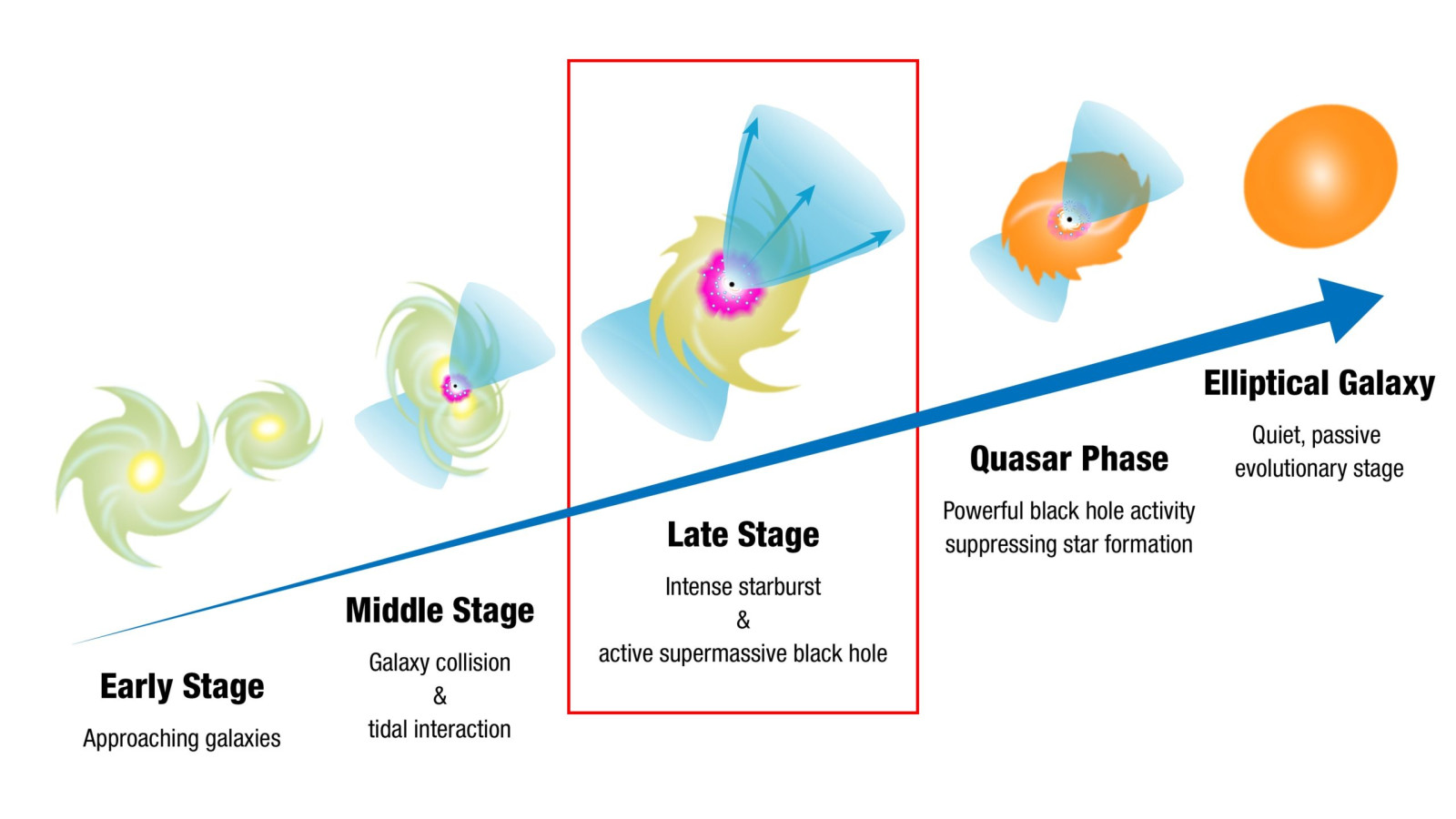
Beyond their impressive visual display, these cosmic jets hold key clues about the role black holes play in the evolution of their galaxies. Starburst galaxies such as IRAS 05189-2524 are sites of rapid star formation, and the energetic output from supermassive black holes may crucially influence this process. Depending on jet intensity and timing, these outflows might either trigger or suppress star formation, affecting the galaxy’s life cycle.
Moreover, the forceful ejection of matter from black holes can alter the distribution and state of gas within the galaxy. These jets can carve out channels through dense molecular clouds, modifying conditions for new stars to form. Investigating these phenomena sheds light on the intricate balance that controls the pace and pattern of galactic growth.
XRISM’s Role in Deepening Astrophysical Understanding
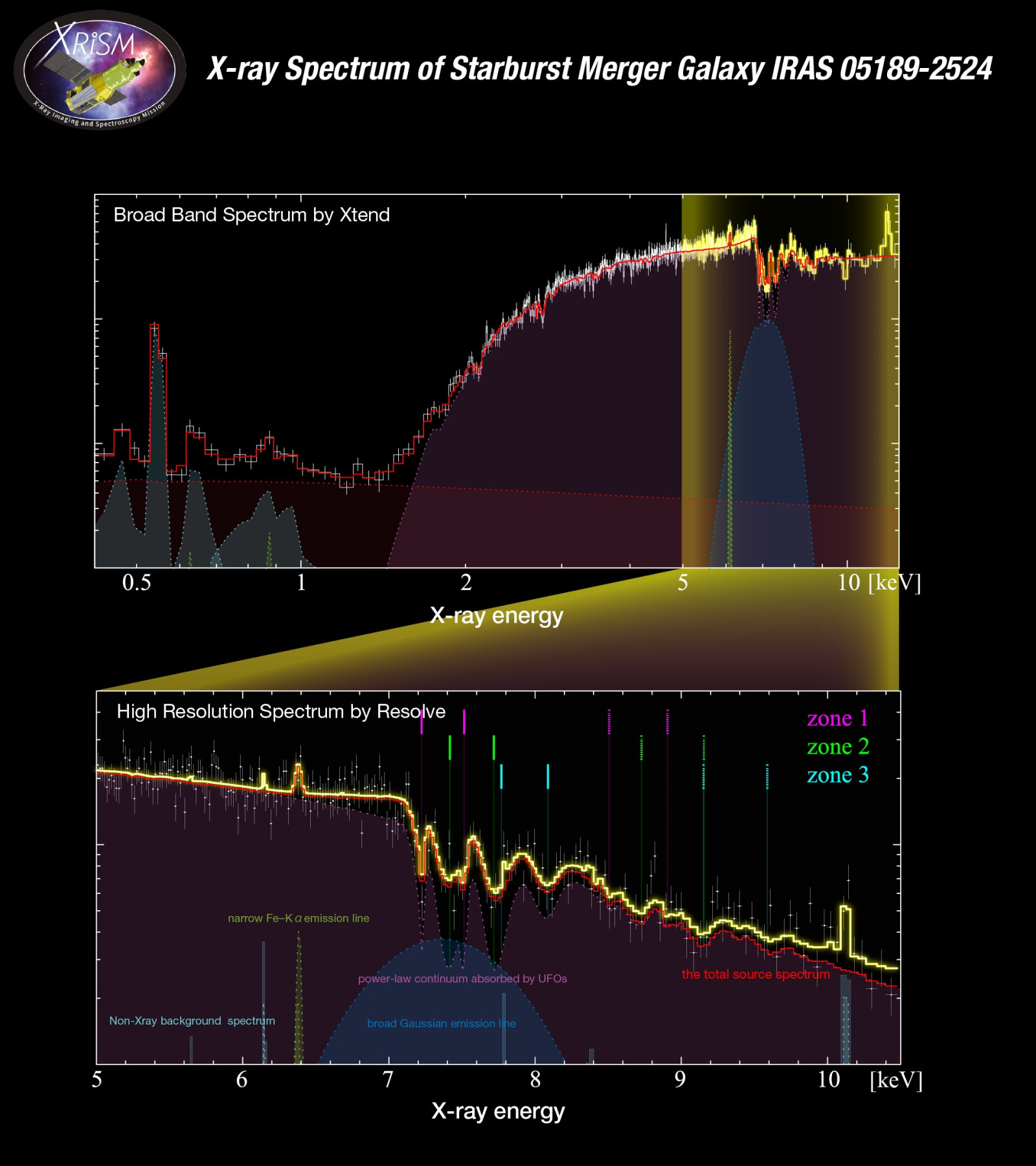
A collaborative mission among NASA, JAXA, and ESA, XRISM is equipped with state-of-the-art X-ray instruments targeting high-energy cosmic events including black holes, neutron stars, and supernovae. Its ability to capture fine details of the cosmic jets from IRAS 05189-2524 represents a milestone in astronomical observation.
This record-breaking observation transcends a solitary black hole case. It provides clues to the common behaviors and characteristics of black holes across the universe. The soon-to-be-published data in the Astrophysical Journal Letters will expand research horizons regarding how galaxies form and transform through black hole activity.
Advancing Knowledge of Galaxy Evolution
The insights gained from XRISM’s study of IRAS 05189-2524 are expected to enhance understanding of galaxy development over cosmic timescales. While galaxy evolution models often emphasize internal processes, this evidence highlights the pivotal role of central black holes. Their interactions with galaxies profoundly affect star birth rates, gas dynamics, and structural growth.
As research continues on the wealth of data provided by XRISM, astronomers anticipate answering fundamental questions: How do supermassive black holes modify their host galaxies? What mechanisms trigger a black hole’s sudden burst of activity following extended quiescence? Unlocking these mysteries could revolutionize our grasp of galaxy life cycles and the critical influence of black holes.
- Categories:
- Astronomy



0 comments
Sign in to Comment