
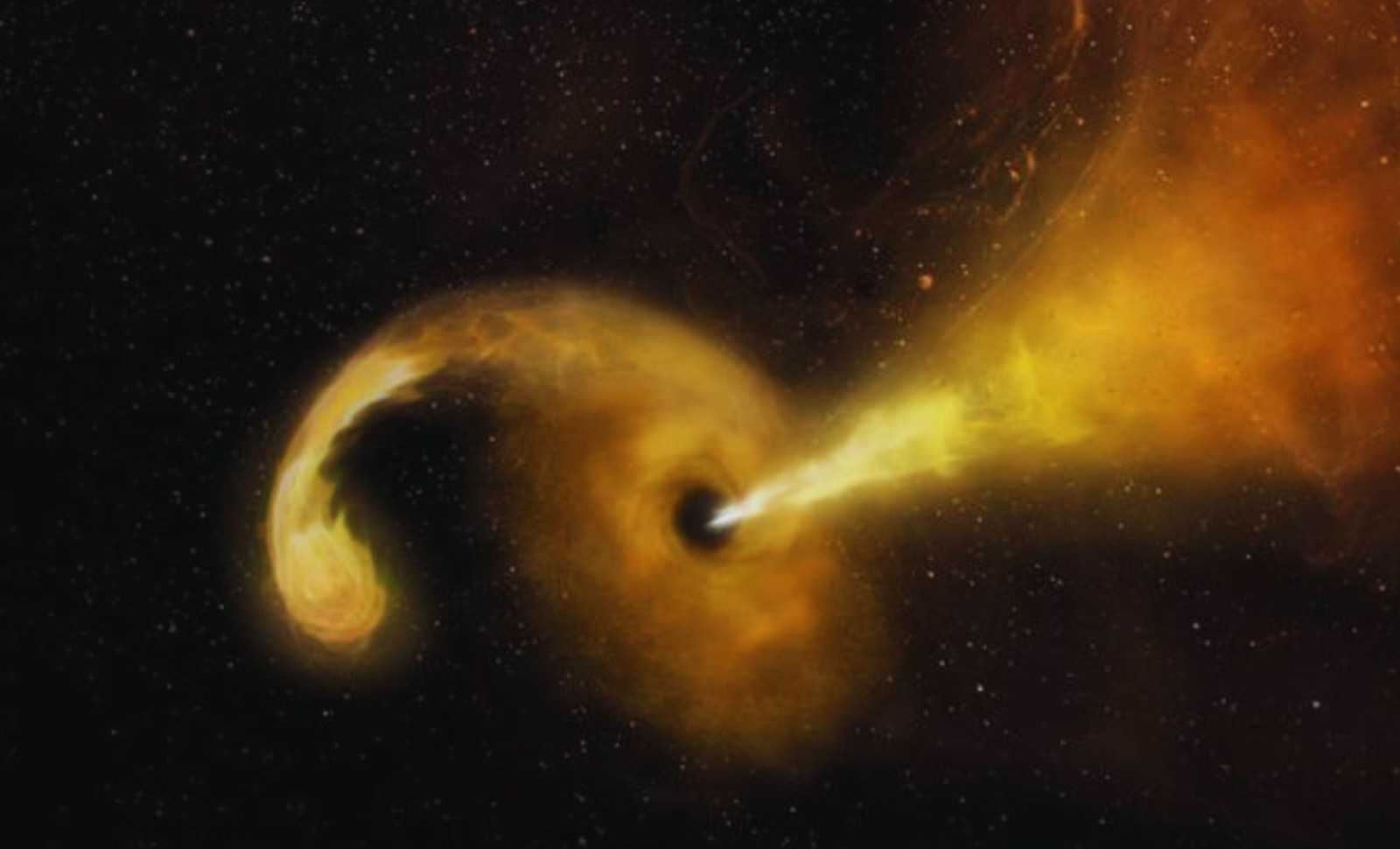
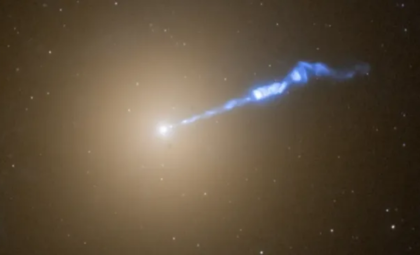
Scientists are amazed as a supermassive black hole has emitted an extraordinarily powerful jet, so intense it could threaten planets within several light-years. This rare surge of energy, produced by the destruction of a star, has captured the attention of researchers worldwide. Unlike anything seen before, this black hole continues to emit strong radiation years after devouring the star. The groundbreaking results were detailed in The Astrophysical Journal on February 5, 2026, by lead researcher Yvette Cendes and her colleagues, showcasing the vast energy unleashed in this cosmic event.
Known as AT2018hyz, this jet emerged from a tidal disruption event (TDE) located 665 million light-years away, where a star was torn apart. What started as a relatively typical TDE has evolved into one of the brightest and most energetic bursts observed in the universe. According to Cendes, the jet’s brightness has surged to 50 times its initial intensity, marking it a distinct phenomenon in astrophysical studies.
An Extraordinary Black Hole Jet
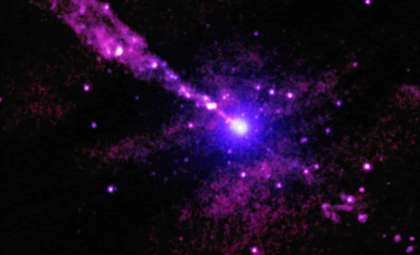
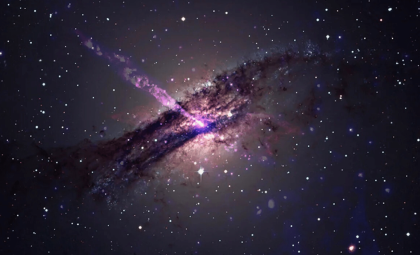
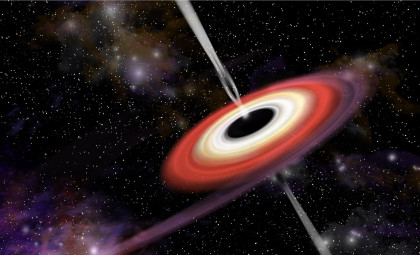
Jets originating from black holes are not uncommon, but the one from AT2018hyz stands apart. Traveling close to the speed of light, it emits a jet of charged particles far brighter than previously recorded.

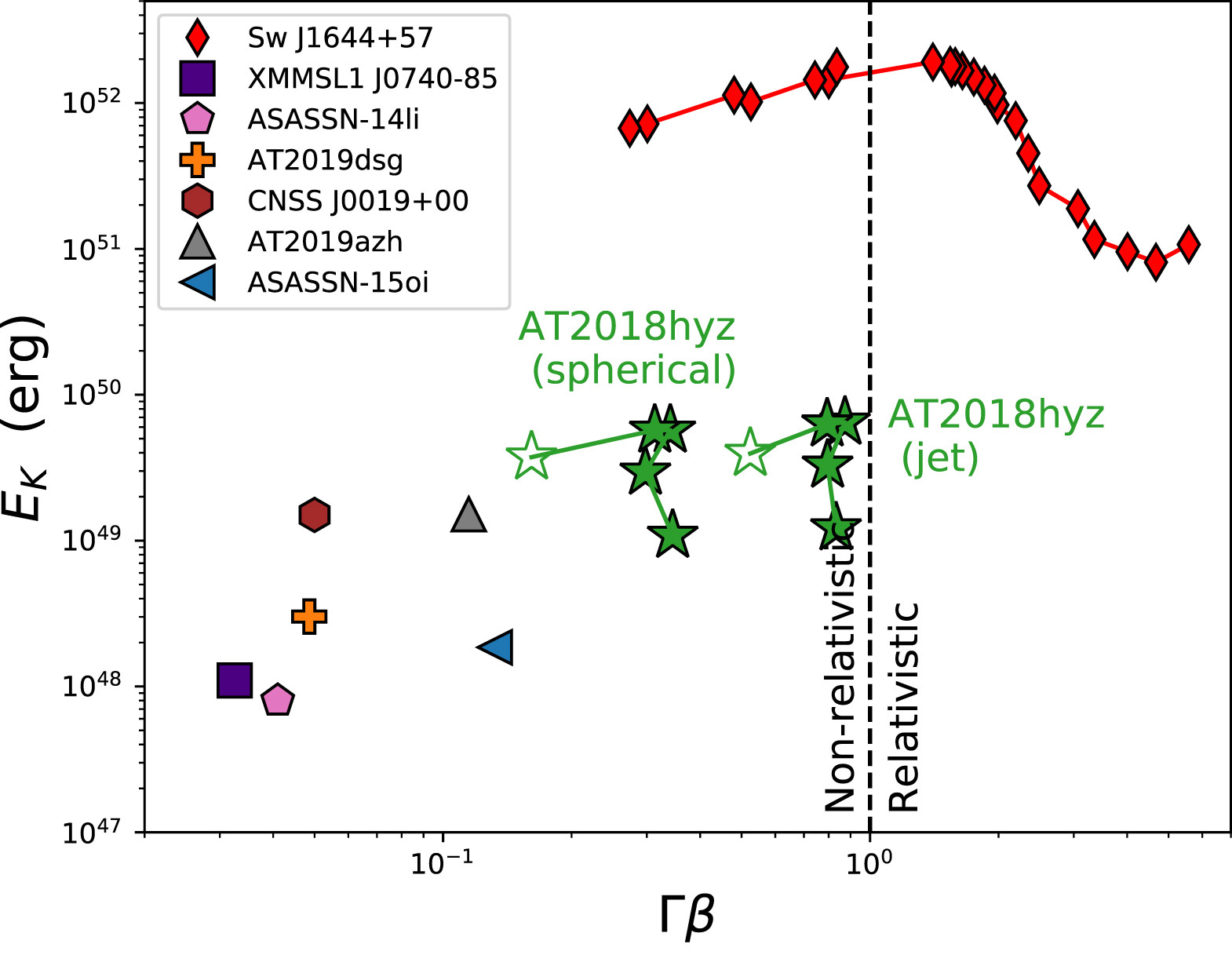
Yvette Cendes, the team’s lead astronomer, estimates that the total energy output may reach 5 x 10^55 ergs, far exceeding typical black hole phenomena. Remarkably, the jet’s power is still rising and might peak in 2027.
“I am hesitant to give a final energy estimate — there are too many things that it will depend on that will become clear once we actually see the peak,” noted Cendes. “But we anticipate that it will be about twice as luminous at the peak than what it is now.”
What Makes This Jet So Exceptionally Powerful?
The uniqueness of this jet lies primarily in its velocity and concentration. While many jets are slow and spread out, AT2018hyz’s jet is compact and extraordinarily fast. Such concentrated, high-energy jets are rarely found in TDEs, making this an exceptional occurrence.
Cendes explains that the jet is sharply focused, or highly collimated, funneling energy into a tight beam. Interestingly, the jet was initially not pointed directly at Earth but gradually broadened and aligned with our viewpoint as it slowed down.
This realignment has made it observable to astronomers on Earth, although the precise reasons behind this black hole’s intense jet activity remain elusive, with ongoing research continuing to explore its underlying causes here.
Prolonged Energy Emission from AT2018hyz
Upon its discovery in 2018, AT2018hyz seemed like a standard tidal disruption event (TDE). However, it unexpectedly remained dormant for years before experiencing a resurgence in 2022, marked by powerful radio emissions believed to stem from synchrotron radiation within the jet. This extended emission period is unusual, as most TDEs fade quickly following their initial outburst.
The sustained brightness of AT2018hyz offers new perspectives on the enduring dynamics of black holes. Published in The Astrophysical Journal in early 2026, the study led by Yvette Cendes opens pathways to identifying similar energetic jets. With the launch of the Square Kilometer Array (SKA), astronomers anticipate unprecedented sensitivity in radio observations, enhancing the search for other powerful jets across the cosmos.
- Categories:
- Astronomy



0 comments
Sign in to Comment