
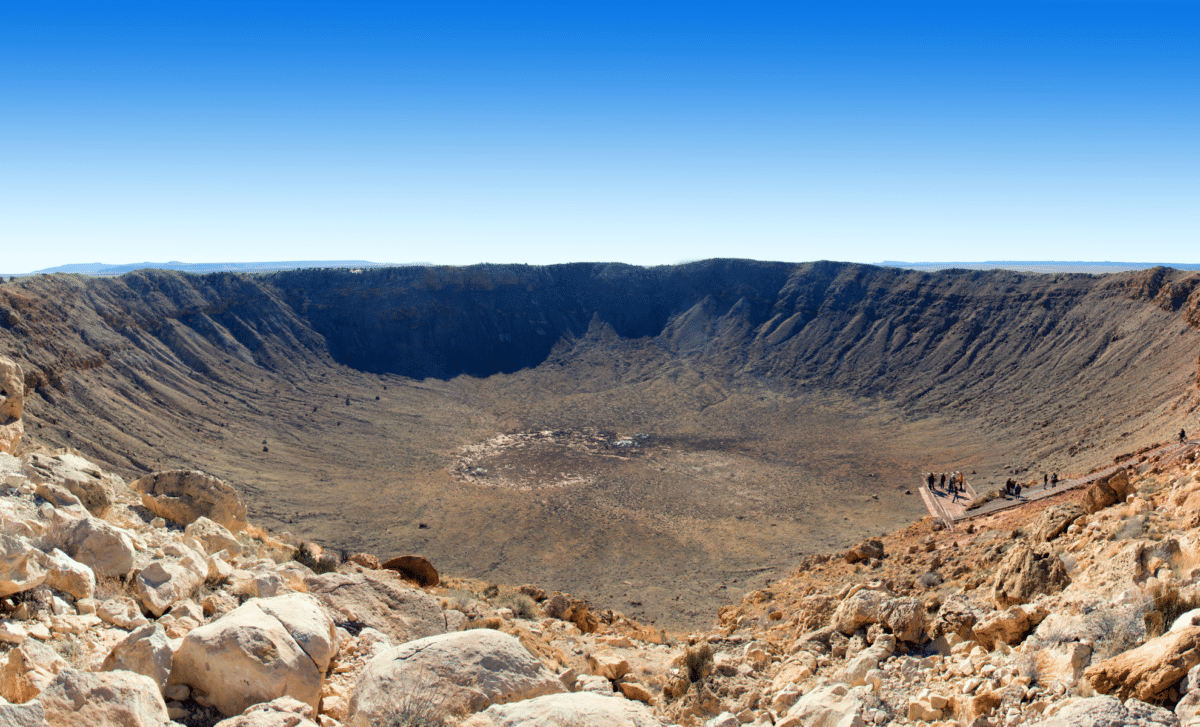
Arizona’s Meteor Crater, a lasting mark left by a cosmic collision 50,000 years ago, continues to expose new details, enhancing our knowledge of Earth’s geological evolution. Recent research highlights this crater as the best-preserved impact site globally, giving experts invaluable data about the immense forces that have shaped our planet. Space.com notes that its exceptional condition serves as a unique natural laboratory, where ongoing investigations yield fresh discoveries annually, underscoring the importance of sustained scientific study.
Exploring the Origins of Meteor Crater
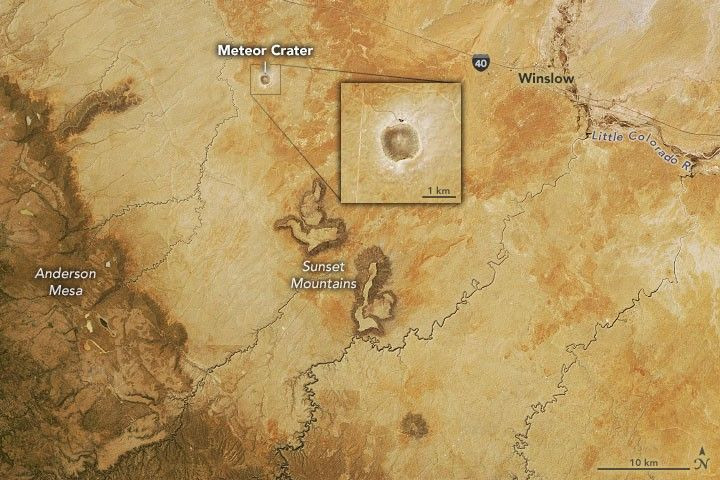
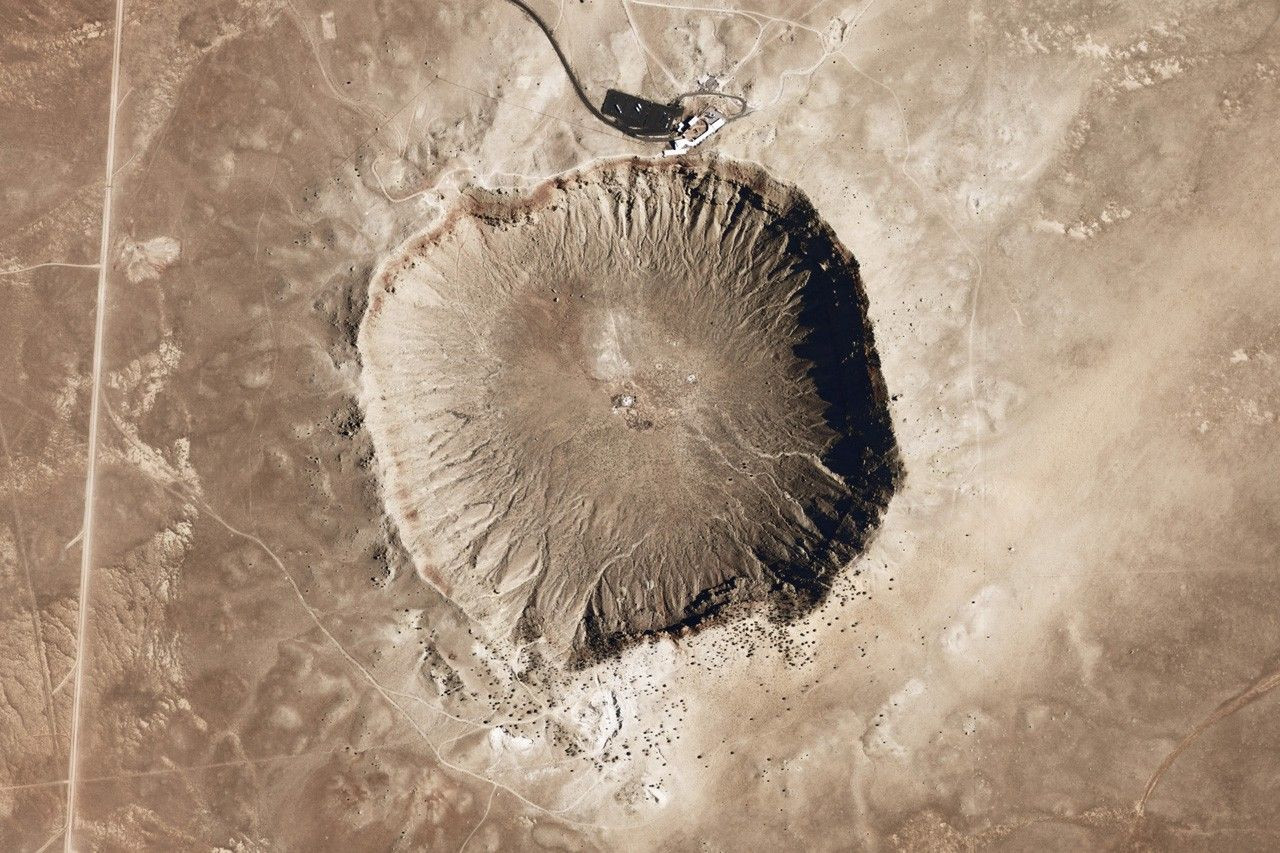
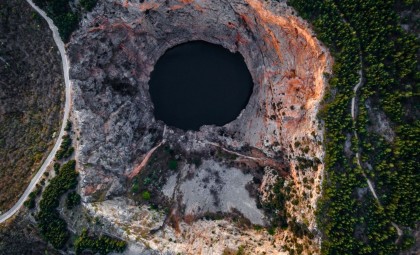
Created when a meteorite struck Earth, Meteor Crater near Winslow, Arizona, attracts researchers focused on understanding impact phenomena and their long-term consequences on Earth. Measuring over 4,000 feet across and plunging to a depth of 700 feet, the crater stands as a powerful symbol of cosmic violence. Its outstanding preservation has kept it among the clearest examples of a hypervelocity impact—an event characterized by forces comparable to nuclear blasts.
“Meteor Crater is the best-preserved and exposed impact crater on Earth,” explained Dan Durda, a research scientist at the Southwest Research Institute, to Space.com. “That makes it the perfect natural laboratory for impact crater studies. The crater is still providing new insights every year, so continued studies there are really important.”
Add Cosmo Herald as a Preferred Source

The site's ongoing scientific value emphasizes the importance of such natural settings in studying the dramatic effects of extraterrestrial impacts on terrestrial geology.
Meteor Crater’s exceptional preservation enables analysis of shock metamorphism—a process triggered when materials endure intense pressure from impacts. These investigations are critical for decoding how similar craters formed worldwide and assessing the historical influence of impacts on Earth’s living systems.
Decoding Earth’s Impact Legacy
This crater plays a central role in studies of Earth’s history of asteroid impacts, largely because it remains one of the rare craters with minimal alteration from erosion or geological changes. Meteor Crater was among the earliest confirmed impact craters discovered in the 20th century, marking a turning point in scientific perspectives.
“Barringer Crater—also known as Meteor Crater—was one of the first, if not the first, crater recognized on Earth as being of impact origin,” says Christian Koeberl, a professor at the University of Vienna and an expert in impact cratering studies.
Before its impact origin was established, formations like this were frequently mistaken for volcanic craters, leaving their true nature uncertain. The recognition of Meteor Crater as an impact site revolutionized the understanding of Earth's connection to cosmic events, highlighting the widespread consequences of extraterrestrial collisions.
Even after millennia, the crater’s geological features deliver extensive data. The presence of minerals altered by “shock metamorphism” provides evidence of the intense forces involved in meteoric impacts. These mineral changes offer essential clues for scientists studying planetary surfaces beyond Earth, where analogous phenomena may occur.
Global Importance of the Meteor Crater
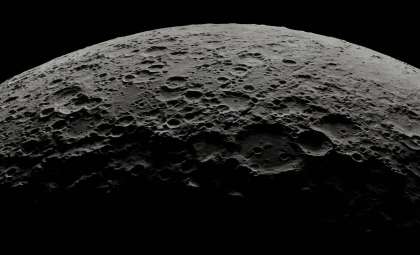
Meteor Crater’s value extends beyond terrestrial science, serving as a pivotal resource for understanding impact events across the solar system. Findings derived from this site inform planetary geology and aid future space exploration efforts.
Koeberl discusses the wider impact of asteroid collisions, emphasizing their significant role in Earth’s geological and biological pathways.
“Despite limited information about the early impact record we know that impacts had severe effects on the geological and biological evolution on Earth,” he says.
He references the mass extinction approximately 66 million years ago, when a gigantic asteroid impact is credited with ending the reign of the dinosaurs.
“The most iconic species that has fallen victim to an impact, the dinosaurs, literally had no chance,” Koeberl adds. These perspectives not only deepen our comprehension of Earth’s ancient past but also highlight potential hazards for the future. Meteor Crater’s study offers a vital window into how such events might reshape ecosystems and influence the trajectory of life on our planet.
- Categories:
- News




0 comments
Sign in to Comment