
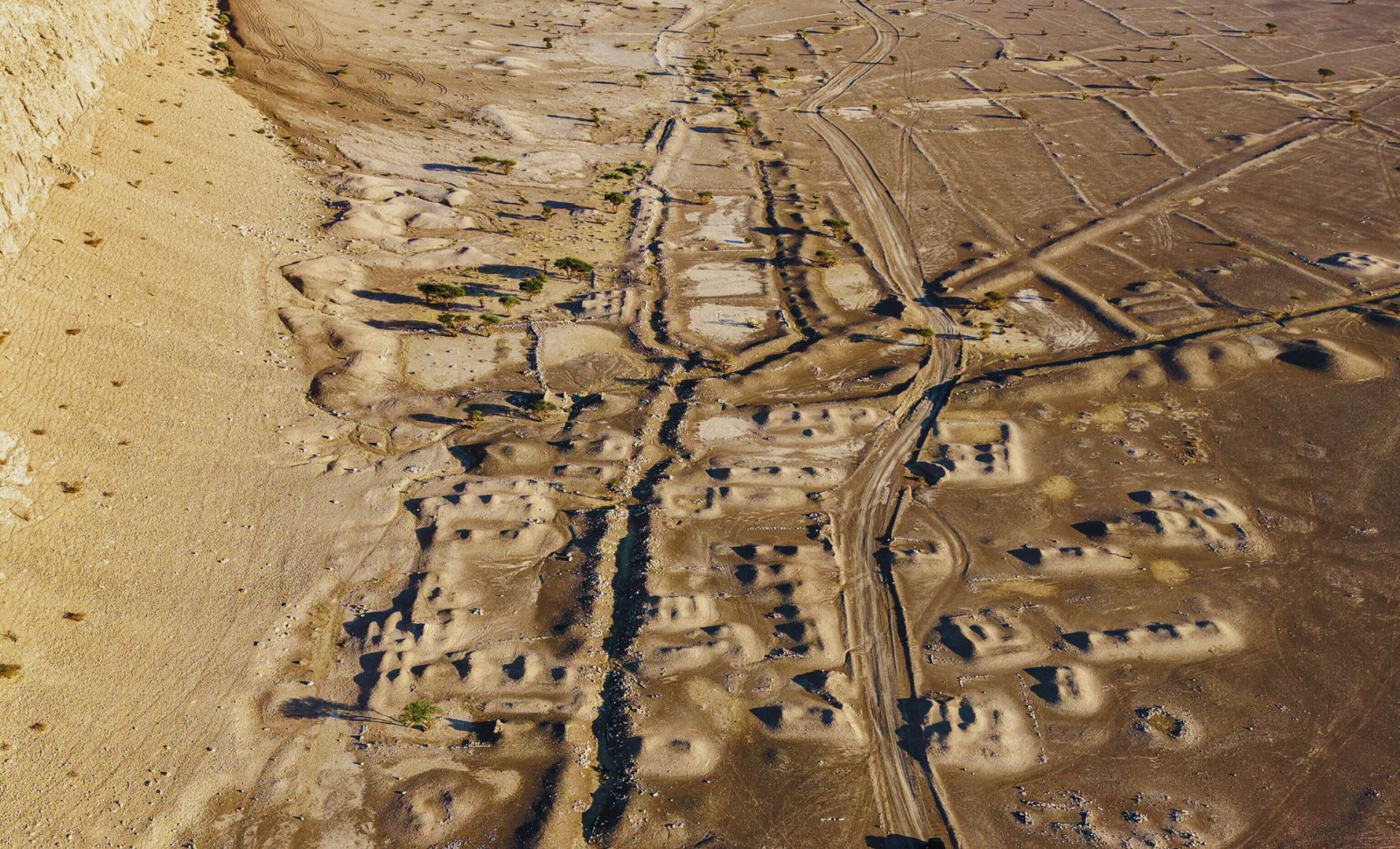
Researchers have identified the ruins of Charax Spasinou, one of the last urban centers established by Alexander the Great, buried under desert soil for more than 1,200 years. Utilizing cutting-edge drone technology and sophisticated imaging techniques, this once vital trading city along the Tigris River in modern-day Iraq is now emerging from obscurity, offering new insights into Alexander’s empire and ancient civilizations.
While Charax Spasinou was mentioned in historical texts, its precise position remained elusive for centuries. Thanks to recent advancements, scientists have at last located its exact site.
Alexander’s Strategic Urban Development
Founded in 324 BCE during Alexander’s late reign, Charax Spasinou was situated at the confluence of the Tigris and Eulaeus rivers. The city was designed to consolidate control over the region. Initially named Alexandria, it suffered destruction from flooding and warfare, prompting its reconstruction and rechristening as Charax Spasinou in tribute to the ruler who restored the city.

Although ancient manuscripts hinted at its whereabouts, prolonged instability in Iraq hindered archaeological efforts, leaving the city concealed beneath desert sands for generations.
Discovering the Lost City Through Technology
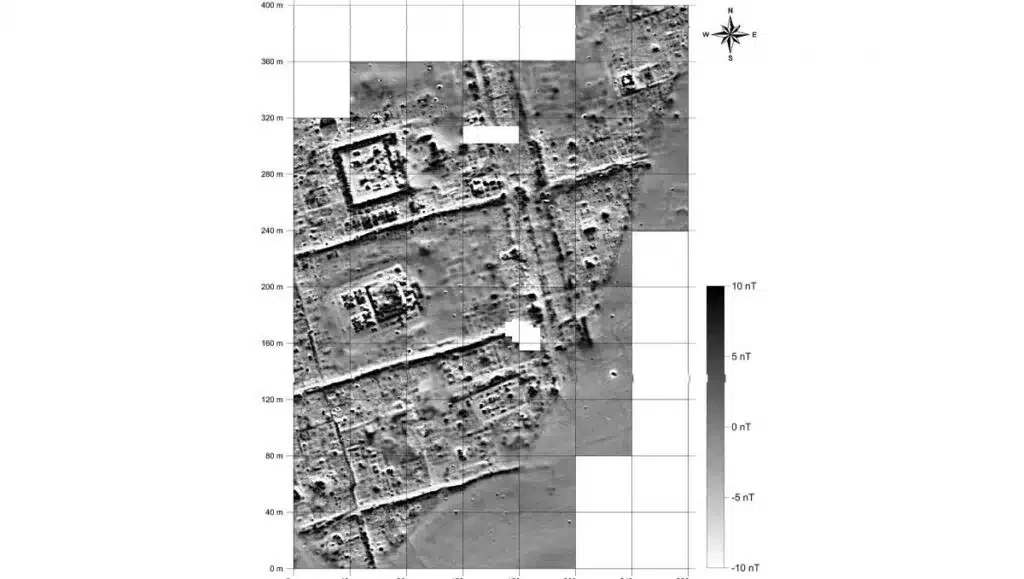
It wasn’t until 2014 that researchers gained access to the site using modern methodologies. Drones collected thousands of aerial photographs, while magnetometers scanned below the surface for hidden archaeological features. As reported by Archeology News :
“Thousands of drone photographs helped build a detailed terrain model. Geophysicists used magnetometers to map buried structures.”
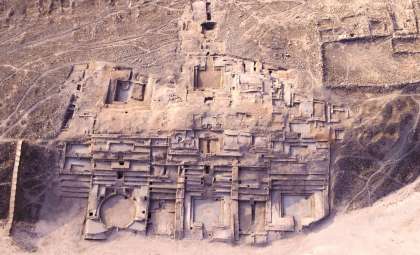
These innovative approaches enabled the team to reconstruct the city’s layout remotely, revealing broad roads, extensive residential zones, temples, kiln-equipped workshops, and a “district containing house blocks of unusually large dimensions, surpassing those identified in other contemporary cities”.
By combining aerial imaging and magnetic surveys, archaeologists created an intricate digital reconstruction of Charax Spasinou without invasive excavation.
An Ancient Commercial Center of Mesopotamia
Charax Spasinou thrived as a key trading nexus. Its placement along the Tigris provided vital access to trade corridors linking Mesopotamia with broader regions. With its harbor and proximity to productive agricultural and craft areas, it was an ideal hub for merchants to conduct business.
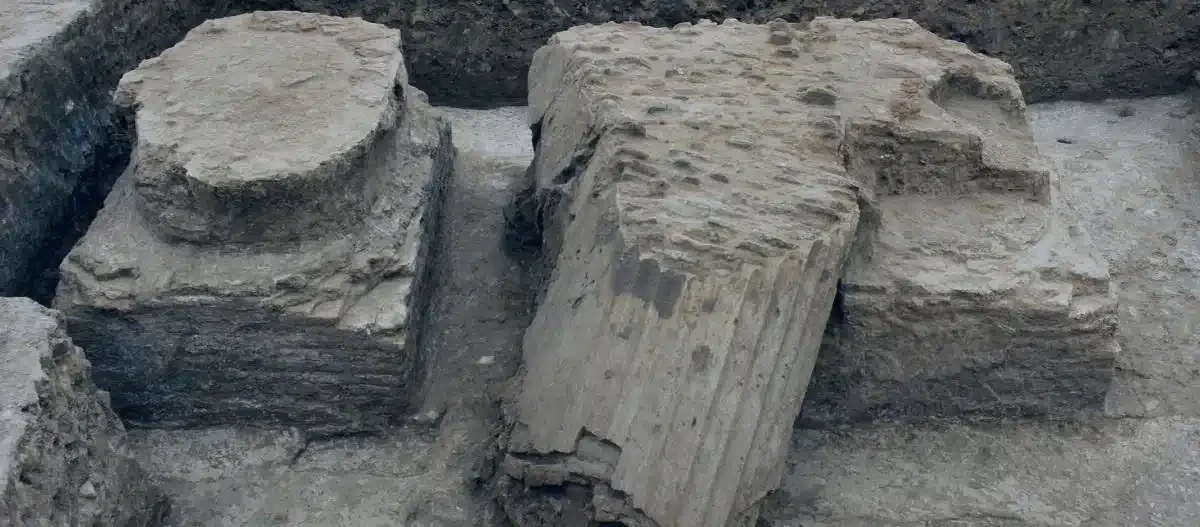
“Researchers walked across more than 500 square kilometers and recorded dense scatters of pottery, brick fragments, and industrial debris,” explained the same source.
- Categories:
- News




0 comments
Sign in to Comment