
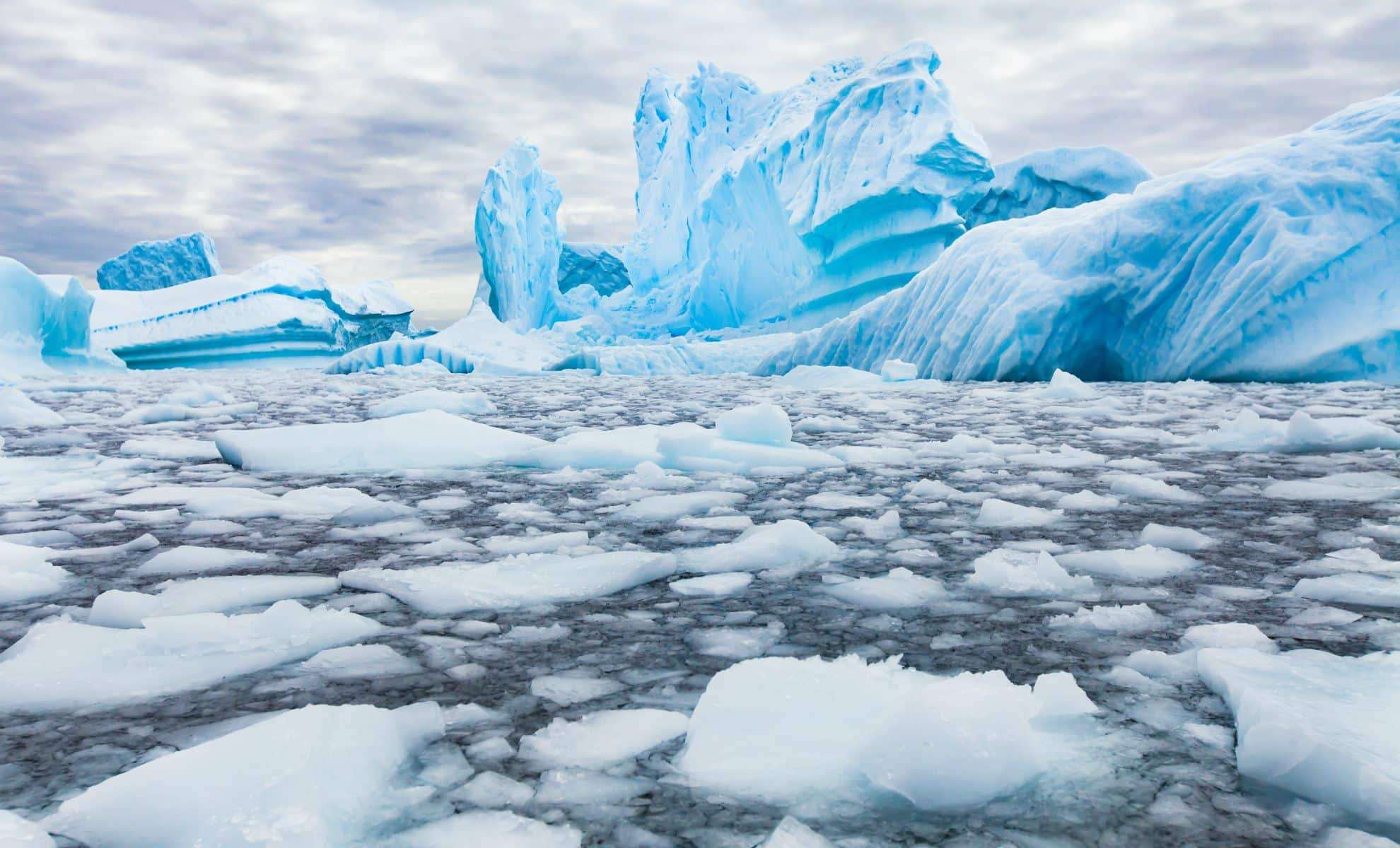
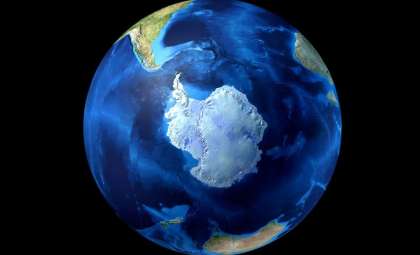
The Antarctic Ice Sheet (AIS) has been a major contributor to global sea-level rise, steadily losing ice mass over several decades.
This decline has become more pronounced in recent years, particularly across West Antarctica and certain areas in East Antarctica, where ice loss escalated significantly.
Yet, between 2021 and 2023, the AIS surprisingly reversed this downward trend, gaining ice mass for the first time in decades thanks to unusual increases in precipitation.

An Unexpected Rebound in Ice Mass
Measurements from the GRACE (Gravity Recovery and Climate Experiment) and its follow-up mission GRACE-FO have been pivotal in tracking the AIS’s mass fluctuations.
Historically, data indicated a continuous ice loss that contributed to rising sea levels.
Between 2002 and 2010, the AIS diminished at a rate of about 73.79 Gt/year, and this rate almost doubled to 142.06 Gt/year from 2011 to 2020.
The strongest losses were observed in West Antarctica and the Wilkes Land-Queen Mary Land (WL-QML) zone in East Antarctica.
However, new data show that from 2021 to 2023, the ice sheet increased in mass by 107.79 Gt/year.
Positive Trends in East Antarctic Glaciers
Significant developments occurred in prominent glacier basins of East Antarctica during this period. Especially in the WL-QML region, glaciers such as Totten, Moscow, Denman, and Vincennes Bay, which had seen accelerated ice loss between 2011 and 2020, started to regain mass.
This change followed periods of reduced surface mass and heightened ice discharge.
Recent research highlights that these glaciers reversed their previous losses, demonstrating notable ice gain.
This development challenges the previously held view of consistent mass decline throughout the region.
Consequences for Rising Sea Levels Worldwide
The alterations in the AIS’s mass have major effects on global sea-level trends. Between 2002 and 2010, the AIS contributed approximately 0.20 mm/year to sea-level rise.
This influence nearly doubled to 0.39 mm/year during the following decade.
Between 2021 and 2023, however, the AIS actually helped reduce global sea levels by an estimated 0.30 mm/year.
This rare phenomenon is mainly linked to the enhanced snowfall that led to the AIS’s recent mass increase.
Ongoing Risks from Glacier Destabilization
Despite this positive trend, the long-term stability of the AIS is still uncertain. The four major glacier basins—Totten, Moscow, Denman, and Vincennes Bay—in the WL-QML region remain some of Antarctica’s most vulnerable areas.
If these glaciers were to collapse entirely, it could trigger a significant sea-level rise exceeding 7 meters.
Signs of ice loss in these glaciers serve as critical warnings, as their potential breakdown poses serious threats to coastal regions globally. Scientists continue intensive monitoring to detect any further dangers.
Information from the GRACE mission provides a detailed overview of the AIS’s mass trends over the period from 2002 to 2023, reflecting both past declines and recent rebounds.
This unprecedented shift from ice loss to gain introduces new insights into the complex behavior of Antarctica’s ice dynamics.
- Categories:
- Climate change




0 comments
Sign in to Comment