
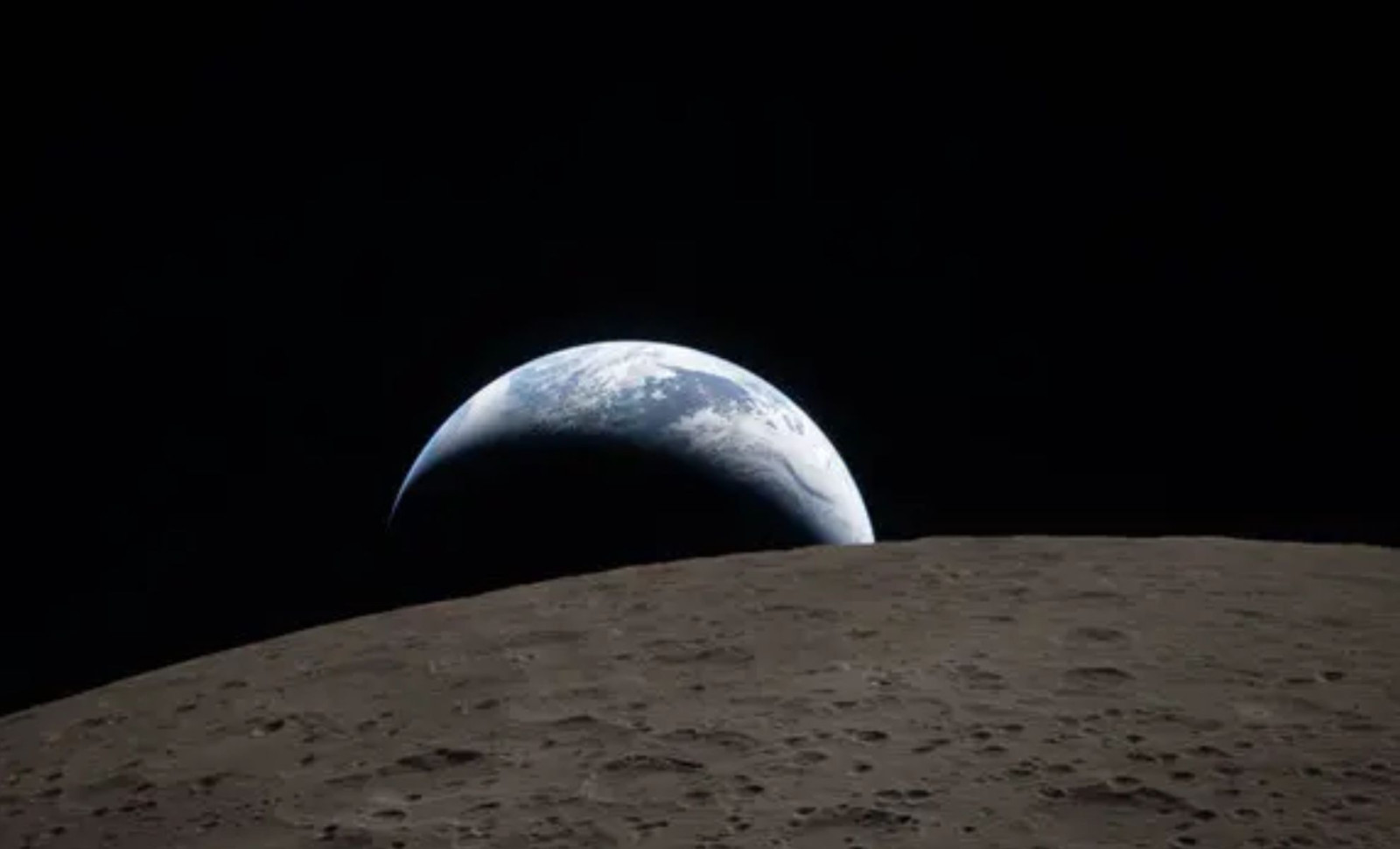
The astronauts aboard NASA’s Artemis II mission have captured a captivating image showcasing Earth as it slips behind the lunar horizon. Taken during a pass over the Moon’s far side, the photograph features a bright crescent Earth descending beyond the Moon’s surface, highlighting the vibrant hues of our planet against the stark lunar landscape. This image is quickly becoming one of the most iconic visuals from the 10-day voyage.
The Artemis II mission represents a pivotal moment in NASA’s renewed efforts for crewed deep space exploration. During its journey, the crew orbited the lunar far side—a region perpetually hidden from Earth's view.
NASA reports that this segment of the mission spanned roughly seven hours, during which the spacecraft lost direct contact with Earth. This unique positioning offered astronauts an extraordinary perspective to capture images and gather scientific data.

An Uncommon Glimpse of Earthset Echoing Apollo Legacy
The photo of the Earthset summons memories of the legendary Earthrise image taken by Apollo 8 astronauts in 1968. While Earthrise depicted the planet emerging above the lunar horizon, this image captures Earth receding behind it. Per NASA’s narrative:
“The Earth’s sunlit side shows white clouds and blue water over the Oceania region, while the dark areas are experiencing nighttime.”
snapped at 6:41 p.m. Eastern Daylight Time on April 6, 2026, this moment found the Orion spacecraft crossing behind the Moon, granting the crew a vantage point few astronauts have ever experienced.
Seven Hours of Extraordinary Lunar Observations
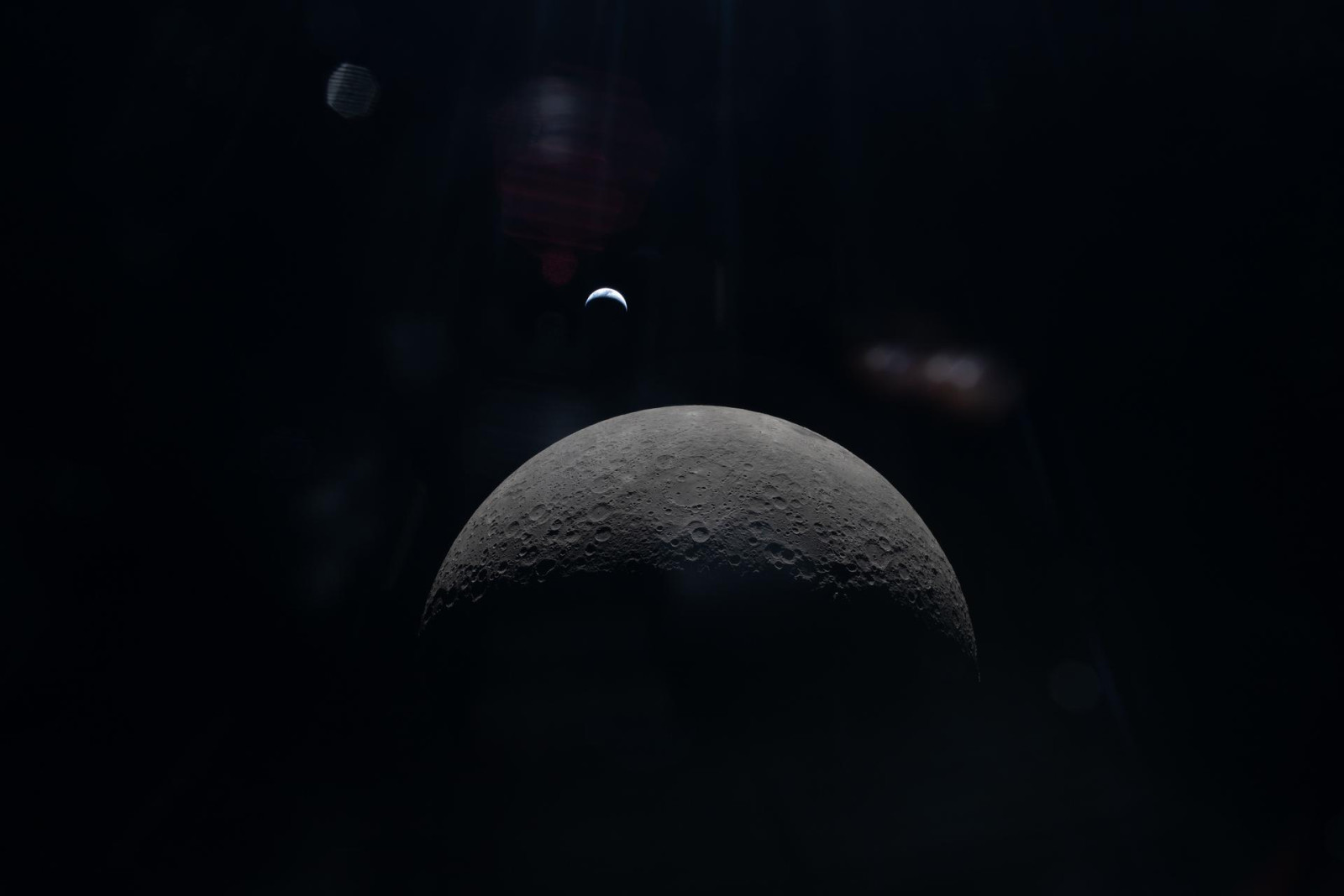
This compelling Earthset image is just one part of a series gathered during Artemis II’s far-side passage. The U.S. space agency explains that astronauts also observed a total solar eclipse and detected light emitted from nearby planets.
“The light from several planetary neighbors, and the long shadows cast along the terminator line where lunar day meets night,” stated the space agency in the statement.
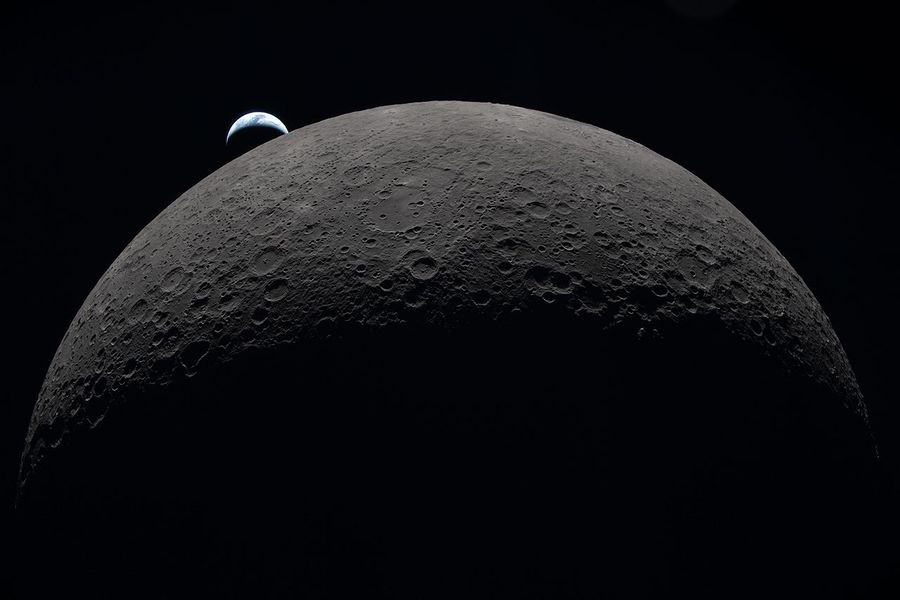
NASA shared that the stark shadows illuminated intricate details within craters and basins. Due to the Moon’s lack of atmosphere, the contrasts between illuminated and shadowed regions are exceptionally sharp, revealing geological structures with enhanced clarity. These conditions allowed fine features like ridges and profound depressions to become more prominent due to the angle of the sun’s rays.
The Artemis II mission is scheduled to finish on April 10, 2026, concluding with a splashdown near California’s coast. NASA noted that additional images and data will be processed post-mission, enriching the archive of visuals from this historic lunar flyby.
- Categories:
- News









0 comments
Sign in to Comment