
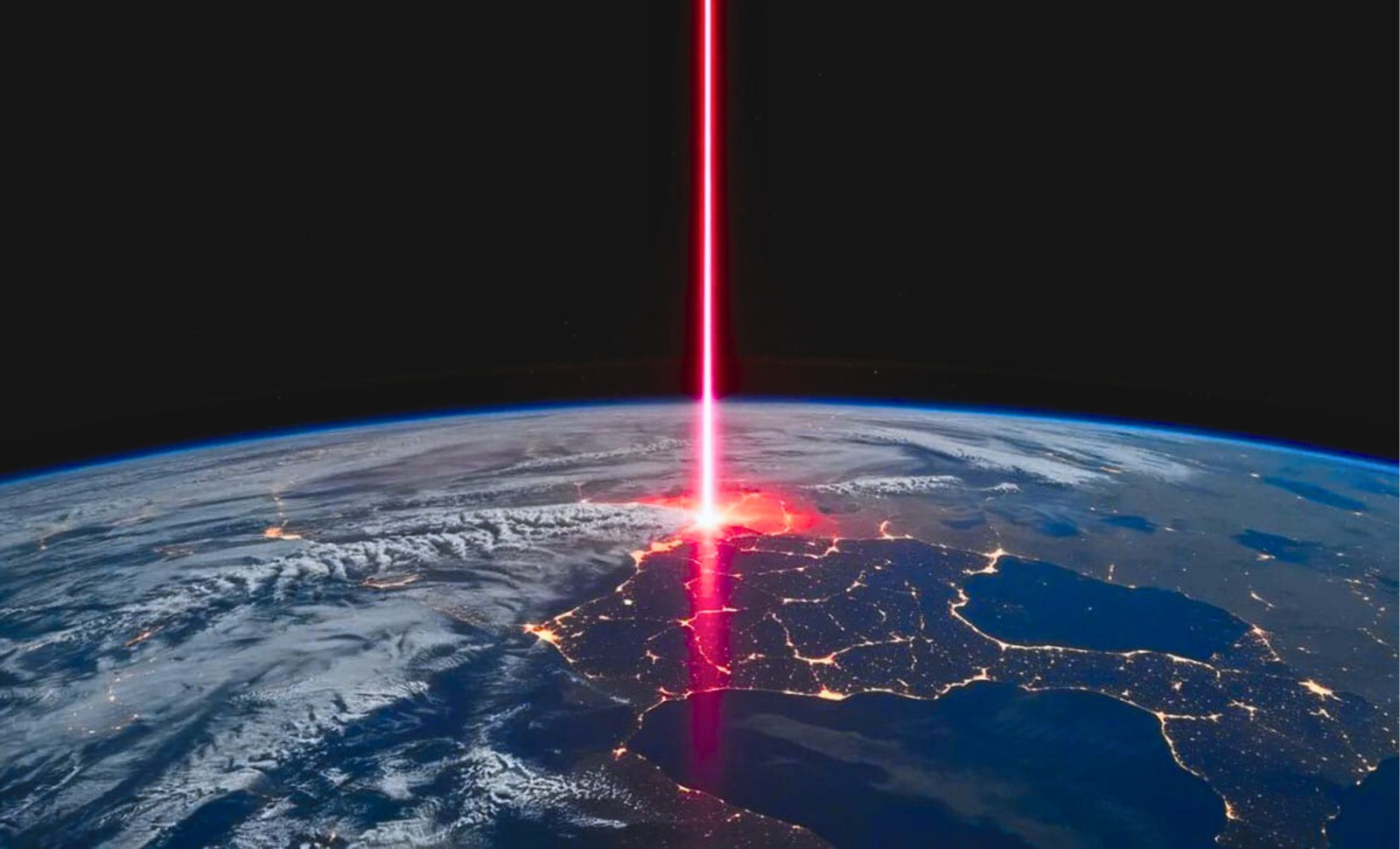
An intense cosmic burst, fleeting yet extraordinarily bright, traversed more than 13 billion years before reaching our planet. It journeyed through a universe still in its infancy—chaotic and dim—long before mature galaxies like the Milky Way existed. This remarkable signal lasted only ten seconds.
Its source was initially uncertain. However, as additional observations from both orbital and terrestrial telescopes were gathered, scientists recognized they had witnessed an event far older than any previously recorded of its kind. It might have been a dying star collapsing or an unknown type of stellar demise.
While bursts like this are detected regularly, catalogued, and analyzed, this particular one stood out. Its travel time and unique characteristics set it apart.

Once fully confirmed, it shattered records: the light originated from a supernova that erupted when the universe was merely 730 million years old. This marks the most distant event of its type observed so far and could transform our understanding of star formation during the universe's earliest billion years.
Global Collaboration in Detection
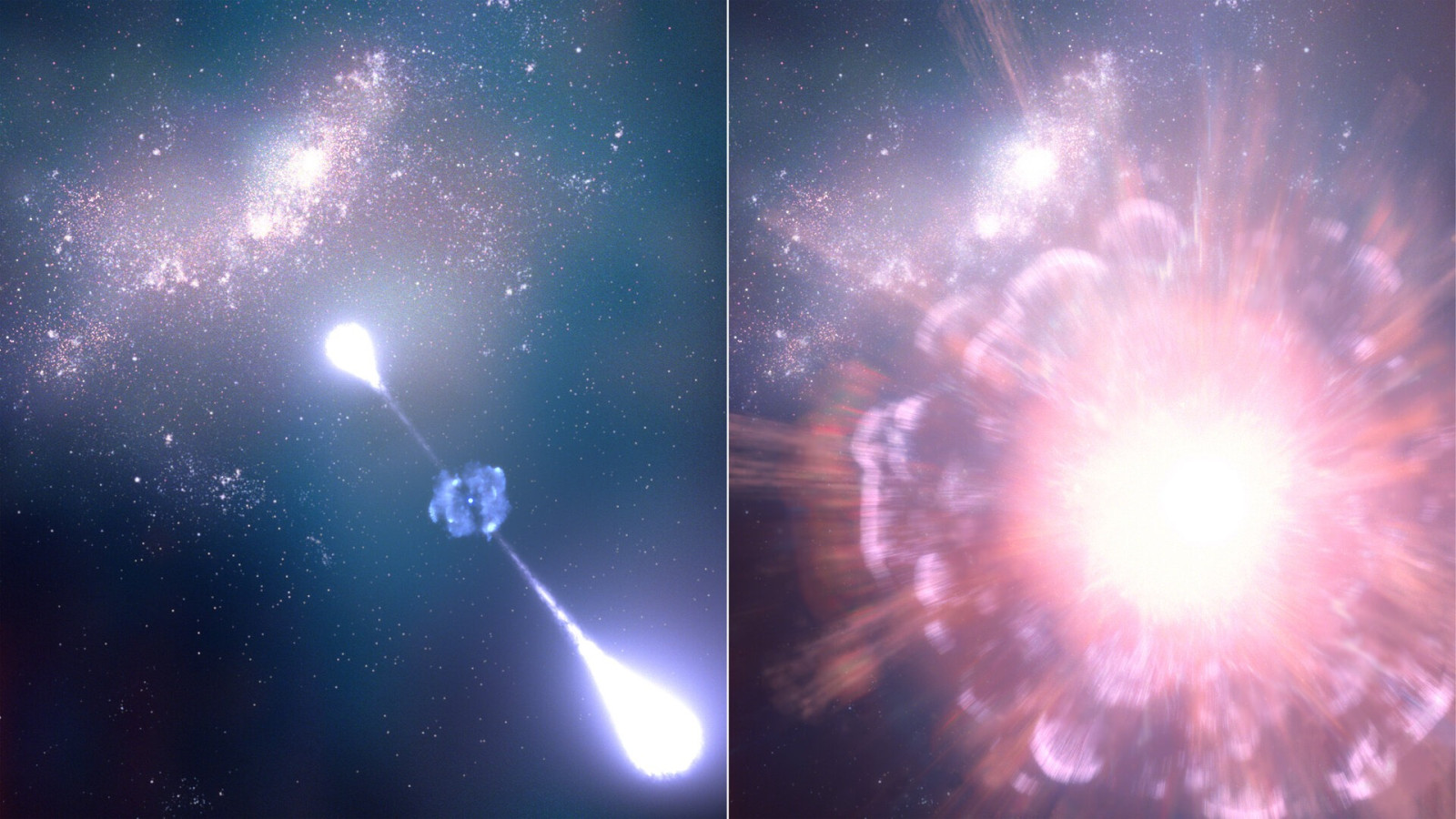
The burst was first recorded on March 14, 2025, by the SVOM (Space-based multi-band astronomical Variable Objects Monitor), a Franco-Chinese satellite mission. It detected a gamma-ray burst lasting ten seconds. These long bursts are typically linked to the death of massive stars and the creation of black holes, emitting concentrated energy jets visible over enormous distances.
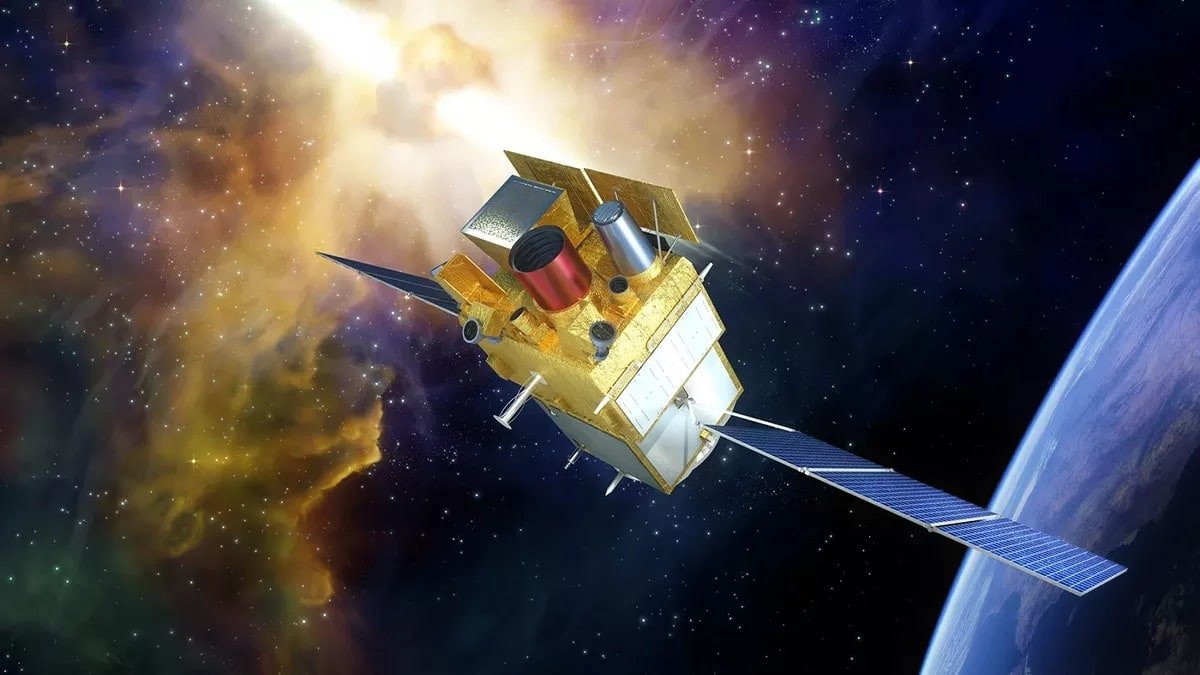
SVOM’s prompt identification of what was later termed GRB 250314A was impressive, considering the mission had just started full operations. Scientists from the Observatoire de Paris – PSL and other European teams confirmed the burst occurred during the Epoch of Reionisation, when the first stars and galaxies began to ionize the cosmos.
Within mere hours, NASA’s Neil Gehrels Swift Observatory located the gamma-ray source. Subsequent data from the Nordic Optical Telescope and Very Large Telescope (VLT) detected an infrared afterglow, enabling astronomers to measure a redshift of 7.3, proving the light had traveled over 13 billion years.
Very few gamma-ray bursts stemming from such an early epoch have been observed. According to an ESA update, this supernova now holds the record for the farthest confirmed explosion of its kind.
James Webb Space Telescope Confirms Findings
More than three months after the initial burst, the James Webb Space Telescope (JWST) targeted the diminishing afterglow. This time gap was expected because cosmic expansion causes light from remote objects to stretch—a phenomenon called redshift—making distant events appear to last longer.
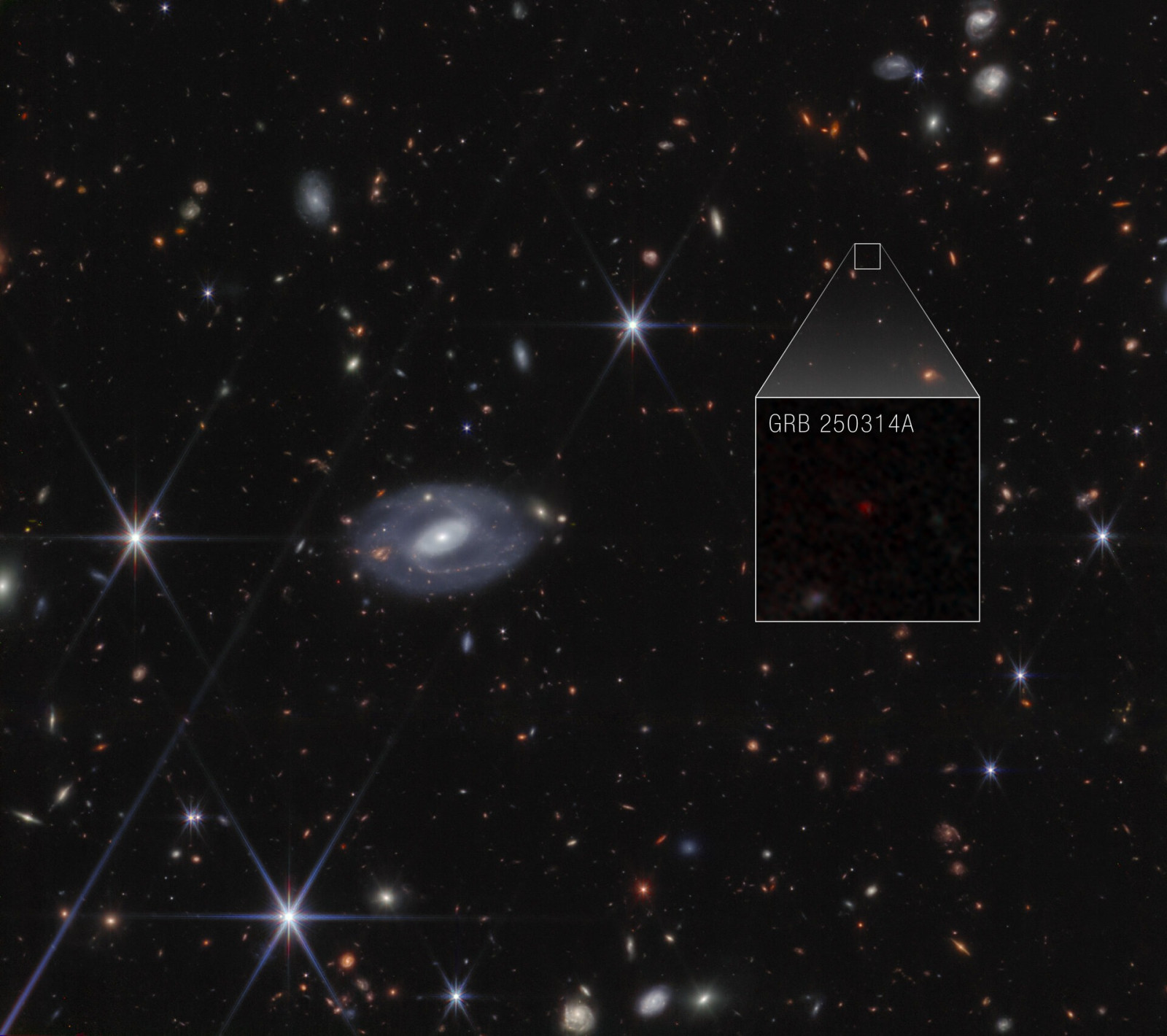
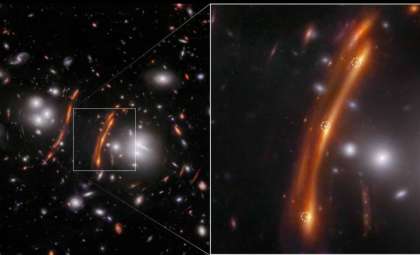
Using its NIRCam and NIRSpec instruments, JWST captured images of the supernova and its host galaxy, verifying that the burst arose from the collapse of a giant star. This is the first instance of identifying a host galaxy for such a distant supernova.
A peer-reviewed article in Astronomy & Astrophysics Letters, highlighted by the European Southern Observatory and NASA, confirmed that GRB 250314A surpasses the prior distance record held by a supernova with a redshift of 4.3.
“Only Webb could definitively prove this light was from a supernova—a collapsing massive star,” explained Andrew Levan, Radboud University professor and lead author.
The team secured rapid-response observation time through the Director’s Discretionary Time program, ensuring the event was captured at peak brightness. Because the explosion's light was time-stretched, precise scheduling and modeling were essential.
Surprising Similarities to Contemporary Supernovae
These findings challenge previous expectations. The supernova did not display the distinctive chemical or energetic signatures associated with primordial Population III stars, which lacked heavy elements or metals and were anticipated to explode in highly energetic, uneven ways.
Instead, JWST data revealed a typical Type II supernova, similar to those observed in nearby galaxies today. This implies that the mechanisms of star death and cosmic chemical evolution were already established within 730 million years after the Big Bang.
Co-author Nial Tanvir, University of Leicester professor, remarked, “Webb demonstrated this supernova closely resembles those we see in the current universe.”
If more such events follow this pattern, it may indicate that galaxies were maturing at a faster pace than previously believed, hosting multiple generations of stars within a brief cosmic era.
New Perspectives on Early Universe Development
The observation of GRB 250314A offers fresh understanding of how complexity unfolded rapidly in the early cosmos. Thanks to collaboration between SVOM, JWST, and various ground observatories, researchers identified both the cause of the explosion and the features of its host environment.
This breakthrough highlights how gamma-ray bursts act as powerful beacons for exploring the universe’s earliest history. Their intense brightness and unique emissions allow astronomers to trace cosmic phenomena from billions of years ago, complementing traditional deep-space imaging techniques.
The team has obtained further JWST observation time for studying similar distant events. Upcoming campaigns aim to capture more afterglows and host galaxies, helping unravel the story of early stellar and galactic evolution.
- Categories:
- Space



0 comments
Sign in to Comment