
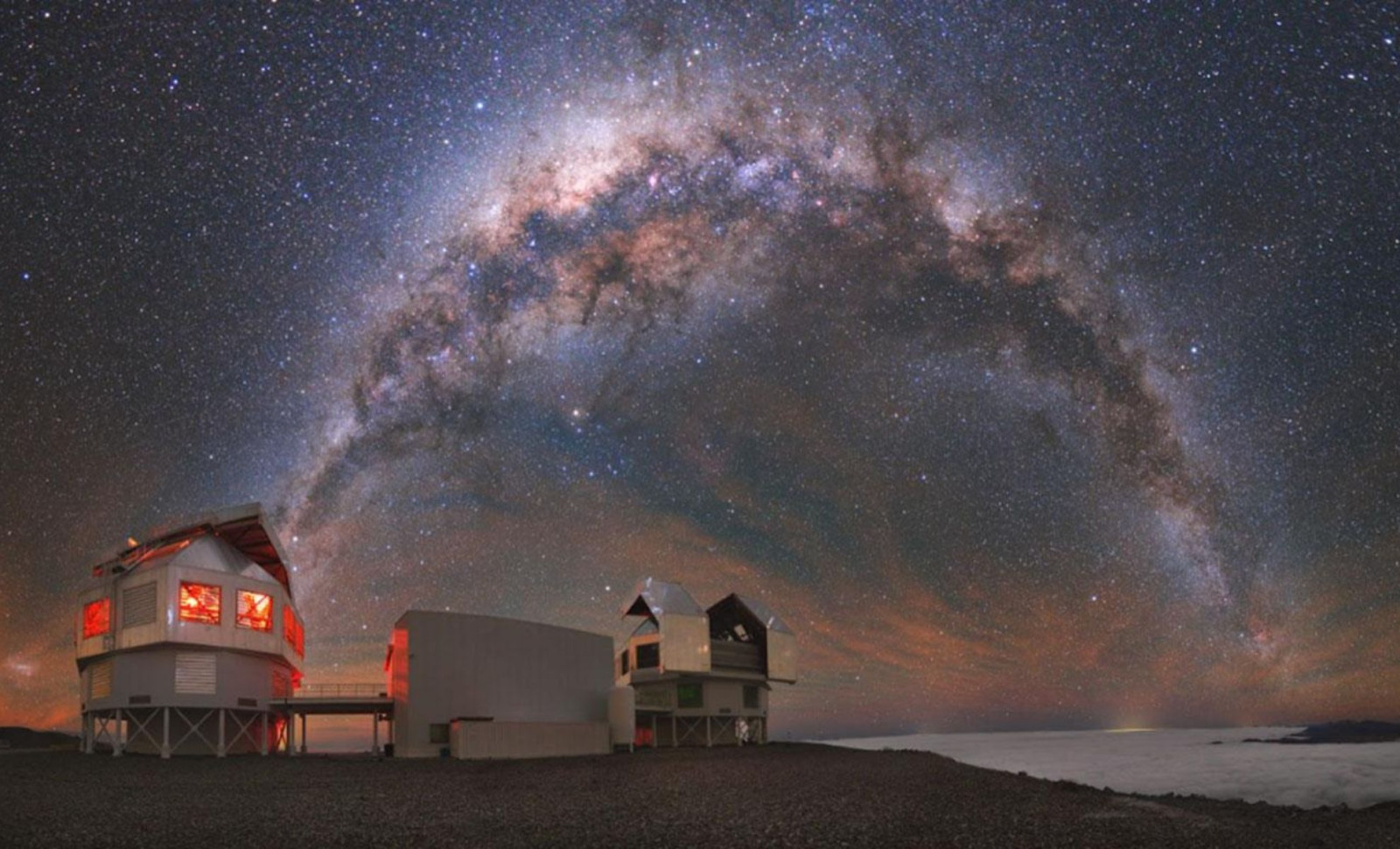
A faint star orbiting near the Milky Way has captivated scientists due to its nearly untouched chemical makeup. Known as PicII-503, it exhibits an extraordinarily low concentration of heavy elements, ranking among the most primordial stars identified to date. In a domain where such stars are exceedingly rare, this finding offers direct insight into the early stages of cosmic chemical enrichment.
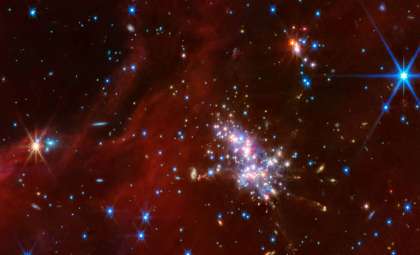
The star resides in Pictor II, a faint dwarf galaxy approximately 149,000 light-years away from Earth. These diminutive galaxies are believed to retain some of the oldest stellar matter with minimal alteration, making them prime locations to investigate ancient star populations.
Researchers analyzed PicII-503’s elemental makeup, uncovering record-setting scarcity of heavy metals. Published in Nature Astronomy, the study reveals it contains the lowest levels of iron and calcium evident outside the Milky Way.

Remarkable Elemental Deficiency
PicII-503 is distinguished by its extreme metal-poor nature. As highlighted in the report, it contains only 1/43,000th the amount of iron and 1/160,000th the calcium compared to the Sun, pushing the boundaries of known stellar chemistry in such galaxies.
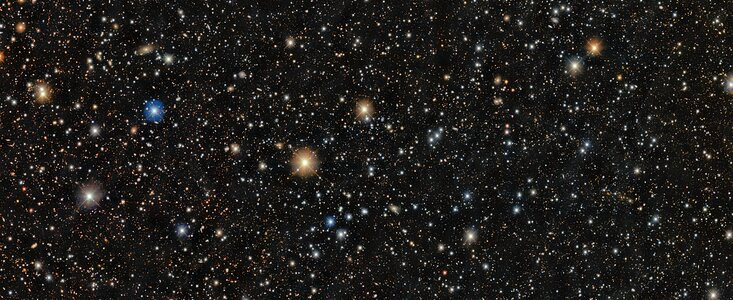
Interestingly, the star has a significant carbon surplus. The proportions show 1,500 times more carbon than iron and 3,500 times more carbon than calcium relative to solar levels. According to Dr Anirudh Chiti from Stanford University, this distinctive composition reflects the chemical signature left by the universe’s very first stars.
“With the lowest iron abundance ever derived in any ultra-faint dwarf galaxy, PicII-503 provides a window into initial element production within a primordial system that is unprecedented,” he explained in a NOIRlab statement.
A Subtle Kind of Stellar Explosion
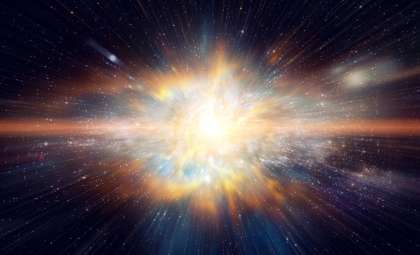
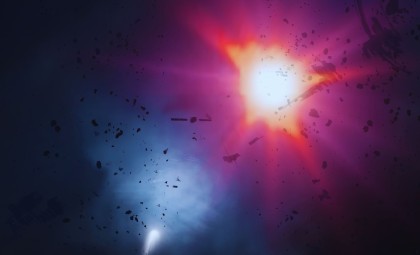
The evidence suggests a distinct origin. Instead of a violent supernova distributing elements uniformly, the event responsible was likely less energetic.
Under this scenario, heavier elements likely fell back into the collapsed core, either a neutron star or black hole, while lighter elements such as carbon were expelled into space. This explanation accounts for PicII-503’s unusual chemical makeup, mirroring patterns found in similar stars located in the Milky Way’s outer halo.
Tracing an Ancient Cosmic History
Stars are categorized by the chemical elements they contain, with the earliest stars forming primarily from hydrogen and helium, and successive generations incorporating heavier elements forged by earlier stars.
PicII-503 belongs to the second generation, showing minimal heavy element enrichment. Chris Davis describes these findings as a form of "cosmic archaeology," preserving the elemental traces of the universe’s first stellar inhabitants.
By linking this star with other extremely metal-poor stars from our galaxy, astronomers are piecing together a coherent narrative of early elemental formation across varying cosmic environments.
- Categories:
- Space



0 comments
Sign in to Comment