
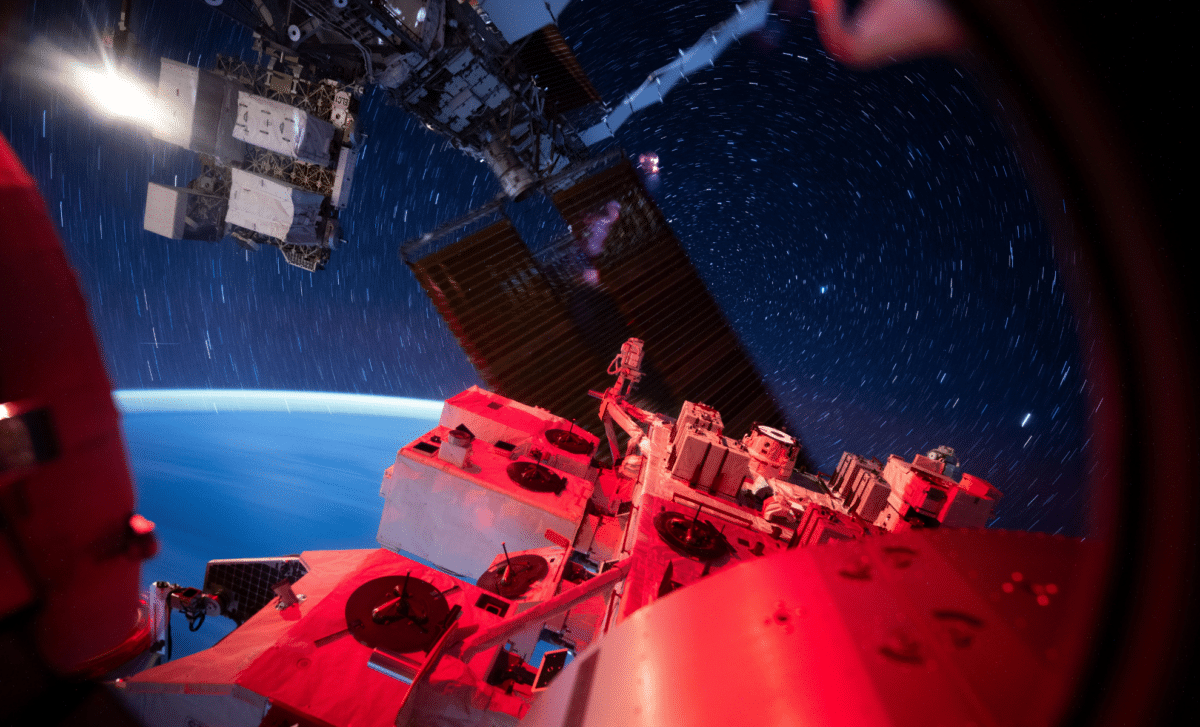
Throughout 2025, the International Space Station (ISS) served as a dynamic platform for scientific exploration, hosting more than 750 experiments that expanded our understanding of microgravity environments. NASA’s 2025 Annual Science Highlights, published in May 2026, feature groundbreaking discoveries poised to enhance astronaut care, robotic medical procedures, materials engineering, and energy storage, while offering valuable applications for Earth.
Microgravity Trials of Robotic Surgery Pave Way for Future Space Healthcare
NASA scientists explored the feasibility of performing surgical operations using a Miniature Robotic System under space conditions. By using rubber bands as tissue stand-ins, they evaluated the impact of communication delays with ground control on surgical accuracy. Findings revealed that although these delays slightly increased procedure times, the precision remained robust.
This research indicates that intricate surgical interventions could be executed on lunar or Martian bases in the future. Furthermore, robotic surgery offers compact, dependable solutions for remote healthcare delivery on Earth, including in disaster-stricken or isolated regions. Its precision, versatility, and tolerance for communication lags position it as a transformative approach for both extraterrestrial and terrestrial medicine.

Using Magnetic Levitation to Cultivate Bone Tissue May Aid Astronauts and Medical Science
In a joint effort with Roscosmos, the Magnetic 3D Bioprinter project utilized Magnetic Levitation to fabricate highly detailed tissue constructs with minimal resource use. By aligning calcium crystals into engineered bone scaffolds, the experiment achieved enhanced structural integrity and promising regenerative capabilities.
Since astronauts face significant bone density loss during long missions, increasing fracture risk, this method could enable the on-demand production of bone grafts in space, addressing skeletal injuries far from Earth. Additionally, this approach holds strong potential for advancing tissue engineering and regenerative medicine on Earth by fostering faster recovery and improved healing outcomes.
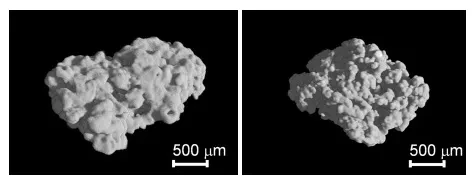
Fungal Melanin-Enhanced Materials Reveal New Frontiers in Radiation Shielding
NASA assessed how interaction with Space Vacuum and Radiation influences polymers, thermal barriers, and biological materials. Experiments featuring materials embedded with Fungal Melanin, a pigment known for UV protection, showed remarkable resistance to radiation along with sustained structural integrity in harsh space conditions.
Such biologically inspired protection could reduce spacecraft mass and costs while providing durable, eco-friendly shielding for astronauts. On Earth, these innovations could translate into radiation-resistant medical instruments, UV-blocking coatings, and tough construction materials for extreme environments.
Solid-State Lithium-Ion Batteries Demonstrate Robustness Throughout Space Deployment
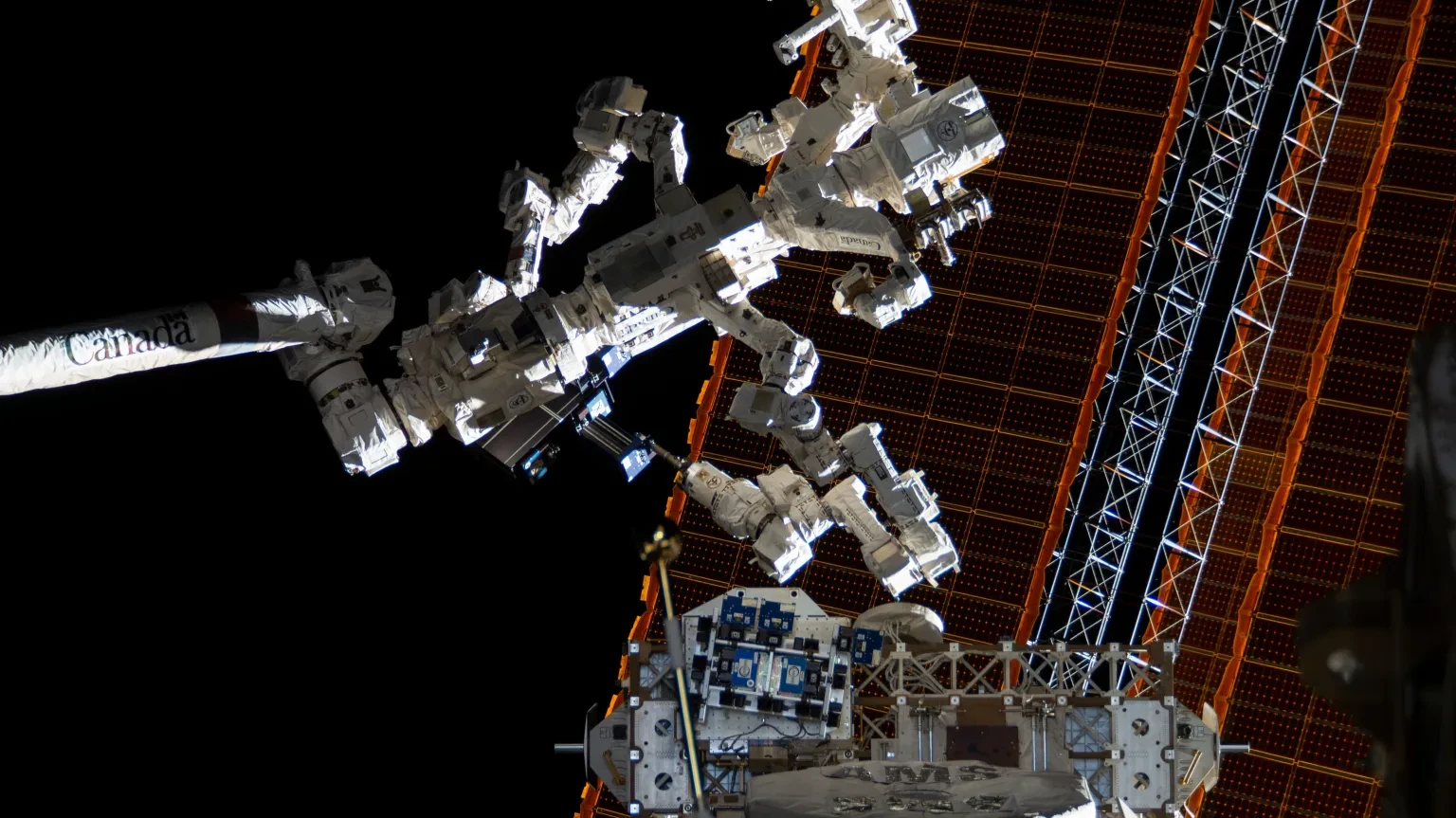
A JAXA-led study tested all solid-state lithium-ion batteries in orbit for over 434 days, subjecting them to extreme temperatures and the vacuum of space. The batteries maintained steady electrical output, showed minimal wear, and exhibited only a 2% capacity decline.
These results suggest these batteries are promising candidates for safe, dependable power sources on lunar and Mars missions. Their superior chemical stability, high-temperature endurance, and reduced ignition risk make them attractive for spacecraft and challenging terrestrial settings where conventional lithium-ion cells may underperform.
Astronauts Experience Temporary Piloting Skill Decline After Extended Spaceflight
NASA’s Manual Control study evaluated the impact of prolonged space missions on pilot abilities. Five astronauts participated in simulated aircraft landings before and after flight, revealing short-term reductions in reaction speed and landing accuracy, including faster touchdown velocities and increased navigational mistakes.
The majority of participants returned to their baseline proficiency within hours, indicating that microgravity temporarily impairs critical motor functions. These insights highlight the necessity for countermeasures and retraining programs to ensure operational readiness and safety for astronauts following long-duration missions.
ESA Tracks High-Altitude Electrical Phenomena Above Storms from Space
The European Space Agency conducted studies on sprites, blue jets, and elves—transient luminous events occurring over thunderstorms. Integrating satellite observations with terrestrial radio data, researchers confirmed these phenomena are triggered by intense lightning and found that brightness correlates with electrical current.
These discoveries contribute to enhanced weather forecasting and improved upper-atmosphere modeling, essential for satellite functionality, communications, and storm monitoring. The research advances understanding of how energy moves between Earth’s atmosphere and space, potentially boosting predictive capabilities.
- Categories:
- Nasa





0 comments
Sign in to Comment