
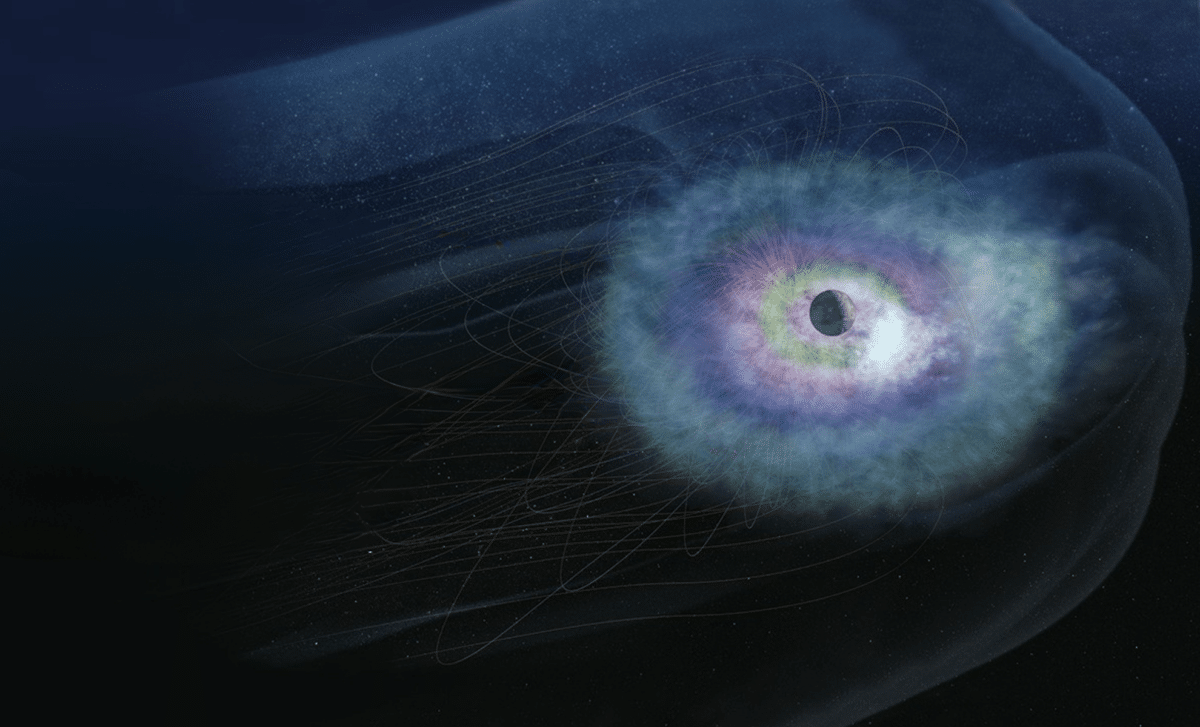
The STORIE mission from NASA aims to revolutionize our understanding of space weather effects by providing an exceptional viewpoint into Earth’s elusive ring current. This pioneering effort is set to unveil critical details about a space region that could improve solar storm forecasting and protect vital Earth-based systems.
Exploring the Enigmatic Ring Current Surrounding Earth
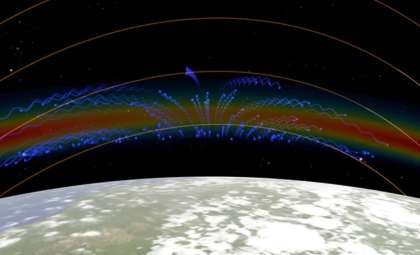
Earth’s magnetic shield traps charged particles from space, creating a doughnut-shaped area known as the ring current. Though invisible to the unaided eye, this dynamic zone significantly influences how Earth interacts with space weather phenomena impacting satellites, communication networks, and electrical grids.
The STORIE (Storm Time O+ Ring Current Imaging Evolution) mission is tailored to unravel this hidden phenomenon. Launching as part of SpaceX’s 34th commercial resupply mission to the International Space Station, STORIE will capture energetic neutral atoms (ENAs) to visualize the movement of particles caught in Earth’s magnetic field. Insights gained will illuminate the formation and shifts in the ring current, enhancing our grasp of Earth’s space weather responses.

Decoding the Behavior of Charged Particles
The ring current is notoriously variable, responding to solar activity by altering its scale and strength. These variations can trigger geomagnetic disturbances affecting satellites and critical Earth infrastructure, like energy pipelines and power grids. Charged particles—both positive and negative—circulate in opposite directions, generating currents that influence these systems.
Alex Glocer, lead scientist for STORIE at NASA’s Goddard Space Flight Center, explains,
“These particles have important space weather impacts. We want to understand how that trapped population is built up, and where it comes from.”
Capturing the behavior of these invisible particles is key to improving solar storm predictions that affect Earth’s technologies.
Traditional imaging can’t directly capture these particles; instead, STORIE tracks the faint emissions of energetic neutral atoms that form when ions neutralize. This innovative detection method provides valuable data on the ring current’s make-up and structure.
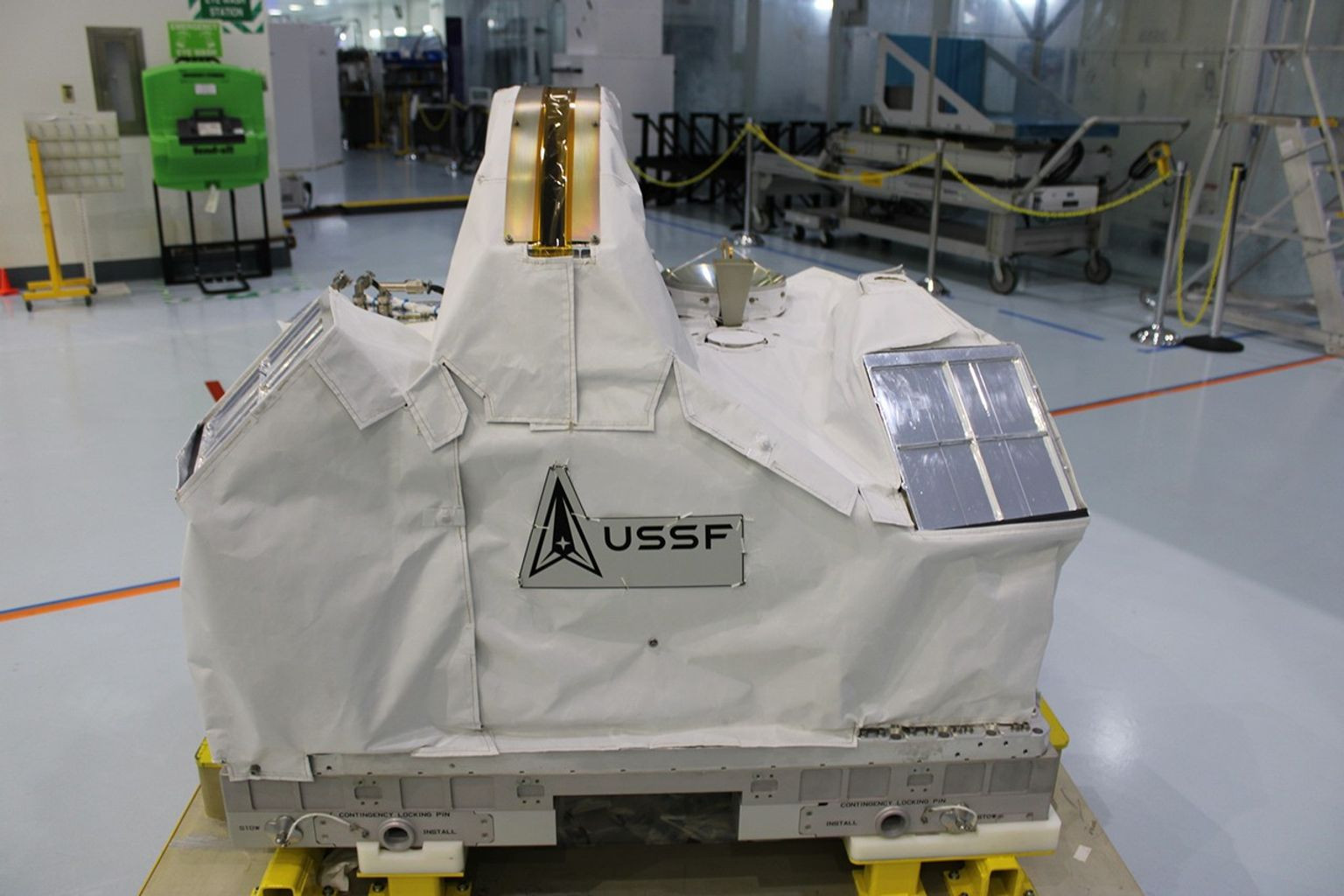
A Groundbreaking Inside-Out Viewpoint
STORIE stands out because it observes the ring current from the vantage point of the International Space Station, an angle previously inaccessible.
“From STORIE’s inside-out perspective, you have Earth behind you, and you can see this trapped population near the equator that was hard for other missions to observe,” Glocer explains.
This unique positioning helps determine whether particles in the ring current primarily originate from the Sun or Earth’s atmosphere. Oxygen ions (O+) are particularly revealing; since oxygen largely comes from Earth’s atmospheric outflow rather than the solar wind, measuring this helps pinpoint particle sources.
Tracking Solar Storms and Their Effects
Solar eruptions disrupt Earth’s magnetic environment, and the ring current changes rapidly during such events, affecting space technologies. Over its six-month timeline, STORIE will observe the ring current’s response during both stormy and calm solar conditions, offering an extensive dataset to refine space weather models.
By investigating how energy transfers from the ring current to Earth’s upper atmosphere, STORIE will also shed light on how increased atmospheric drag influences satellite orbits, a growing concern for the expanding satellite population.
Enhancing Protection Against Space Weather Hazards
STORIE’s findings will enhance space weather forecasting capabilities, essential for safeguarding modern infrastructure. Communication satellites, power networks, and global internet systems are all vulnerable to space weather’s effects.
By clarifying the behavior of the ring current, STORIE will help build resilient technologies and strategies to minimize solar storm risks, guiding humanity toward greater readiness in facing space weather challenges.
- Categories:
- Nasa






0 comments
Sign in to Comment