
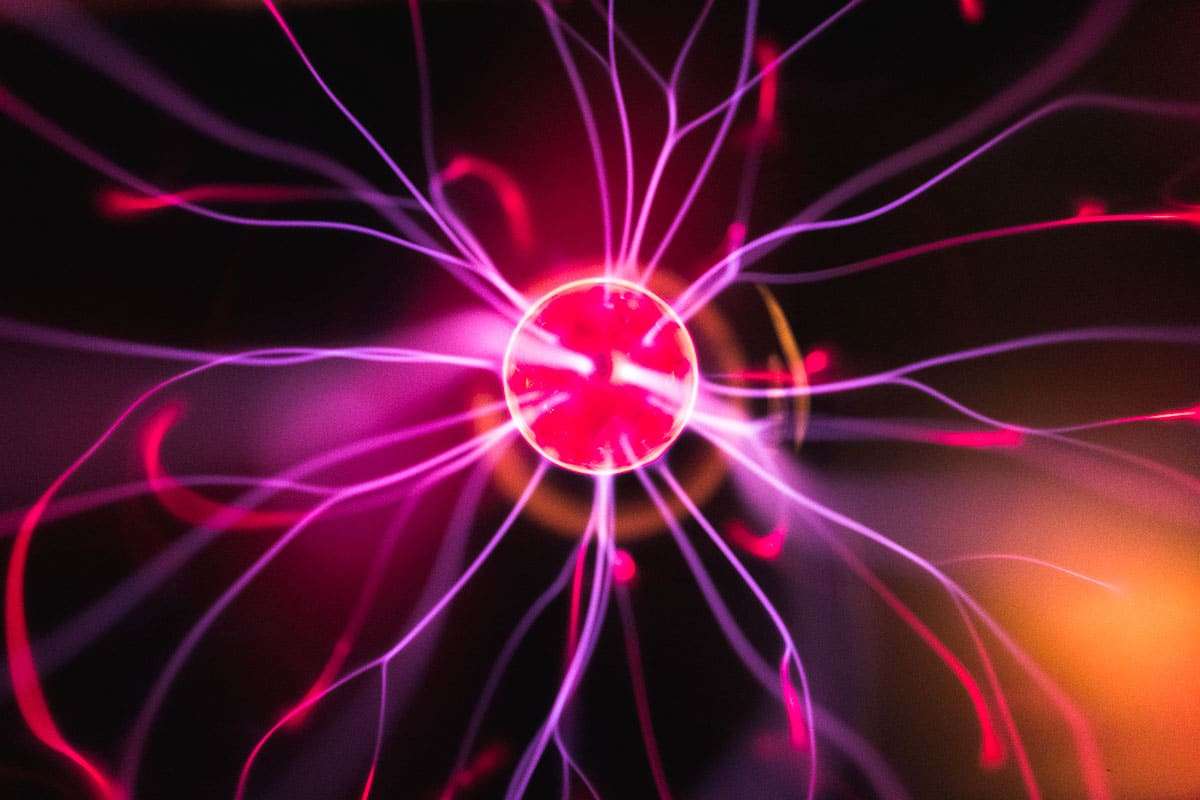
The Steady High Magnetic Field Facility (SHMFF) in Hefei, China, has engineered an advanced resistive magnet achieving an unprecedented magnetic field strength of 42.02 teslas, surpassing the previous record of 41.4 teslas held by the MagLab in Florida since 2017.
Although resistive magnets are considered older compared to superconducting and hybrid types, they present several notable benefits:
- Ability to boost power quickly
- Longer sustained magnetic fields
- Broader applicability in various research domains
Yet, this performance comes with significant energy demands—the device consumes a remarkable 32.3 megawatts of power to reach this magnetic intensity, underlining the high energy costs associated with resistive magnet technology.

Exploring novel physical phenomena with ultra-strong magnetic fields
This breakthrough magnet doesn’t just represent a feat of engineering; it unlocks potential paths to explore unchartered physics territory. Researcher Marc-Henri Julien from the National High Magnetic Field Laboratory in Grenoble highlights how such intense fields can uncover new physical behaviors and allow manipulation of exotic states of matter.
Utilizing these powerful magnetic fields benefits scientific investigation by:
- Improving the precision of instruments
- Detecting subtle and previously unobservable effects
- Enabling the creation and control of unprecedented material phases
- Allowing in-depth study of cutting-edge materials, including superconductors
The SHMFF’s groundbreaking magnet follows their prior accomplishment in 2022, when they set a record with a hybrid magnet reaching 45.22 teslas. This progression illustrates ongoing advances in magnet technology fueled by China’s dedication to advancing science.
Differentiating magnetic field technologies: benefits and compromises
Understanding the wider context of magnetic field devices reveals distinct strengths and limitations among types. The table below summarizes these characteristics:
Magnet Type Benefits Drawbacks Resistive Quick ramp-up, prolonged operation High energy requirements Superconducting Energy saving, higher achievable field strengths Complex cooling, limited continuous operation Hybrid Combines features of both technologies Greater complexity and expense
Even though the SHMFF’s resistive magnet holds the record for continuous fields, it’s notable that a superconducting design briefly reached 45.5 teslas in 2019. This underscores how different magnet approaches complement each other in the pursuit of scientific breakthroughs.
Global impact and the promise of collaborative innovation
The SHMFF’s record-setting magnet marks a milestone not just for China, but for the entire international research community. The facility intends to open access to global scientists, promoting cooperation that could accelerate progress across multiple disciplines.
The extraordinary magnetic field strength is expected to catalyze advances in areas including:
- Advanced material science and engineering
- Quantum mechanics research
- Superconductor development
- Medical technologies
- Energy storage and transmission systems
The emergence of such powerful magnet technology also holds promise for deepening our comprehension of nature’s fundamental forces. Similar to how pivotal findings have elucidated the origins of static electricity, intense magnetic fields could reveal new facets of electromagnetism’s influence on the cosmos.
As science advances towards unexplored horizons, the SHMFF’s accomplishment stands as a symbol of human ingenuity and the ongoing quest to expand our understanding. Every leap in magnetic field technology brings us closer to uncovering the universe’s deepest secrets and applying their benefits worldwide.
- Categories:
- Physics











0 comments
Sign in to Comment