
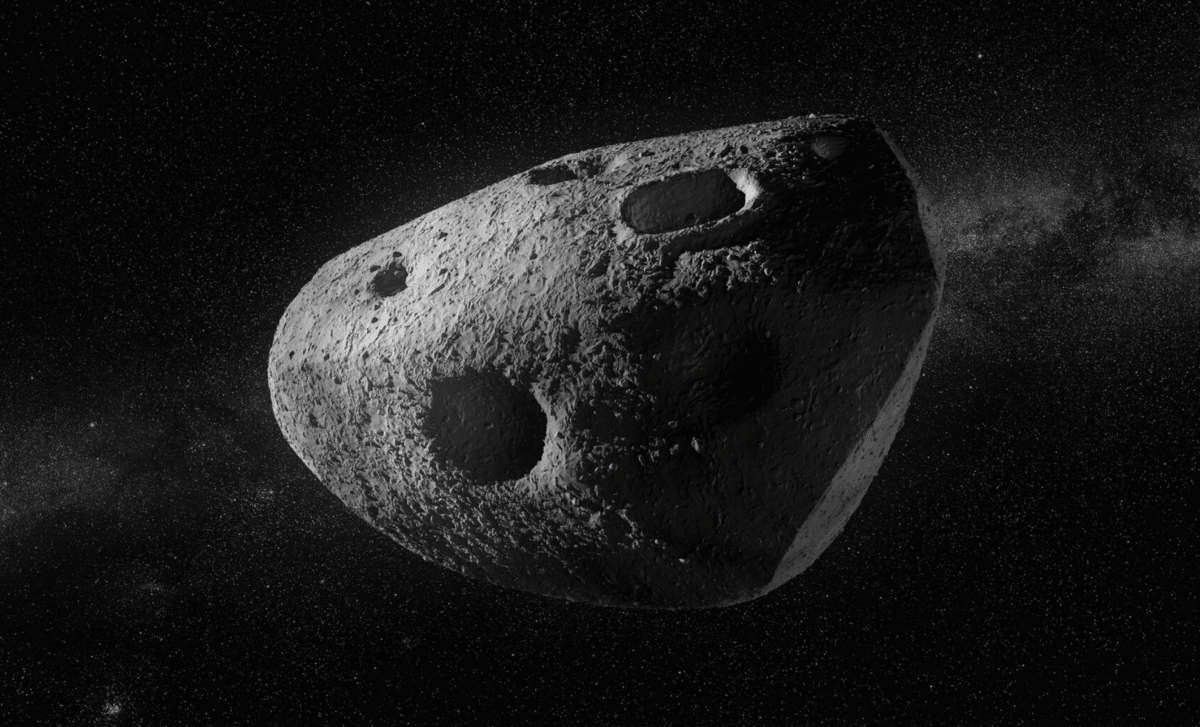
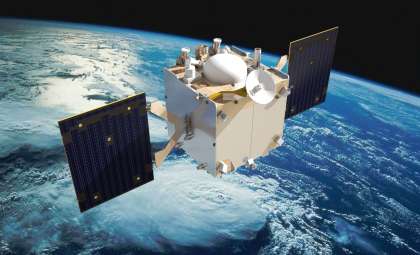
The European Space Agency (ESA) and the Japan Aerospace Exploration Agency (JAXA) have embarked on a historic alliance by agreeing to launch the Rapid Apophis Mission for Space Safety, known as Ramses. This pact, formalized on May 7, 2026, initiates a pioneering effort to investigate the near-Earth asteroid Apophis with the ultimate aim of strengthening Earth's defenses against asteroid hazards.
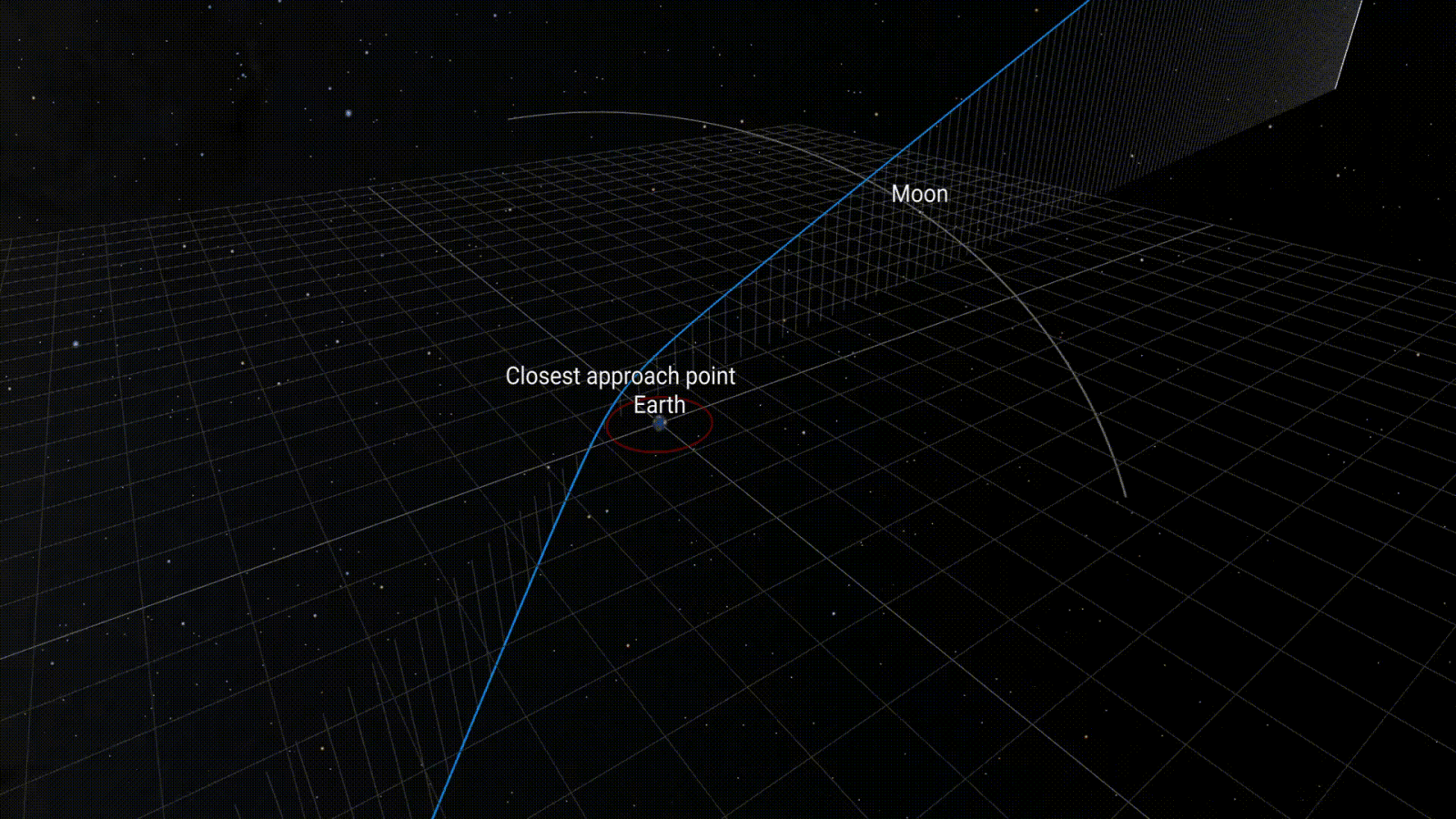
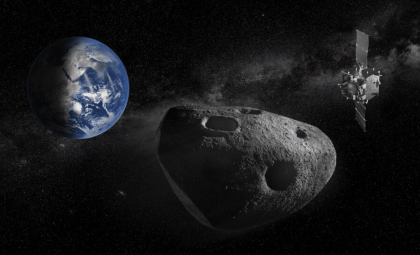
Scheduled for 2028, the Ramses mission plans to meet Apophis in April 2029 as the asteroid makes an exceptionally close approach to our planet—only 32,000 kilometers away, far closer than the Moon’s orbit. This rare flyby will provide an extraordinary scientific window to study Apophis up close and gain insights essential for protecting Earth from potential threats.
Importance of ESA and JAXA's Strategic Alliance
The formal collaboration between ESA and JAXA symbolizes more than technology sharing; it underscores a unified commitment to global planetary defense. Highlighting this shared responsibility, ESA Director General Josef Aschbacher stated, “Planetary defense is, by definition, a global responsibility. With today’s signatures, ESA and JAXA are moving decisively from shared intention to concrete implementation, translating commitment into mission‑level cooperation. This partnership builds on trust, technical excellence and a shared determination to protect our planet.”

This cooperation not only advances current space safety efforts but also paves the way for future international missions to detect and mitigate asteroid threats. JAXA President Dr. Hiroshi Yamakawa expressed optimism,
“We sincerely appreciate ESA and its Member States, including Italy, and expect this cooperation to further advance international efforts in this field.”
Building on earlier cooperation such as ESA’s Hera mission, Ramses will deepen scientific knowledge about asteroid deflection methods. Both agencies leverage their expertise to ensure this mission’s scientific rigor and technological reliability.
A Unique Scientific Opportunity
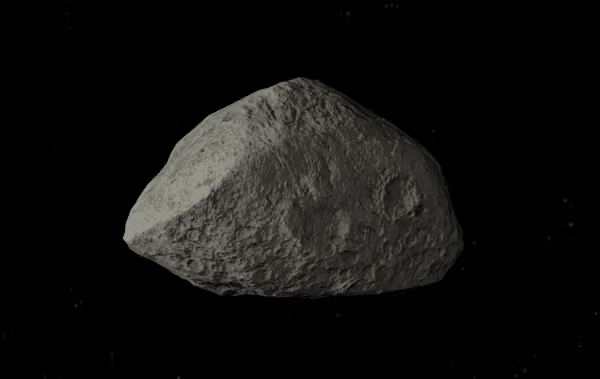
The asteroid Apophis spans approximately 375 meters and will make an exceptionally close Earth flyby in 2029. This event, which occurs once every 5,000 to 10,000 years for an asteroid this size, offers a priceless chance to observe how Earth's gravity alters an asteroid's behavior.
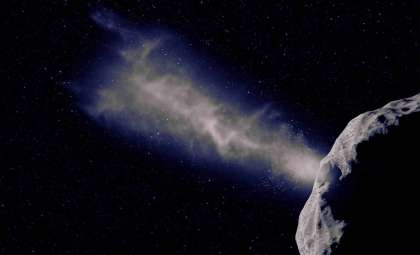
As Apophis passes by, its shape and motion will be affected by Earth's gravitational forces — changes the Ramses mission aims to observe in detail using advanced scientific instruments. The data collected will enhance understanding of asteroid mechanics, crucial for devising future defense technologies.
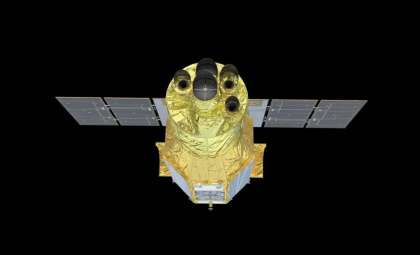
ESA is steering spacecraft design, assembly, and operations, while JAXA provides vital components like lightweight solar panels and an infrared imager to guarantee mission success. Additionally, ESA’s Near-Earth Object Coordination Centre (NEOCC) will improve trajectory predictions leading up to the encounter.
International Unity in Planetary Protection
The ESA-JAXA partnership exemplifies how cross-border cooperation is vital in combating planetary hazards. Threats from near-Earth objects demand a unified global response, and this mission sets an example of successful international collaboration.
ESA Director General Josef Aschbacher emphasized the importance of alliances: “In an increasingly complex environment, international cooperation remains a cornerstone of Europe’s approach to space. Together, ESA and JAXA are showing how reliable partners turn ambition into action for the benefit of all.”
The Ramses expedition is more than space exploration—it is an essential step in global efforts to safeguard against asteroid impacts with potentially catastrophic effects. Through this mission, ESA and JAXA aim to improve detection, characterization, and deflection of future threats.
Looking Ahead: The Future of Planetary Defense
Ramses will provide invaluable insights that will inform and improve asteroid deflection techniques and near-Earth object tracking capabilities. These advancements are integral to ESA’s broader Space Safety Programme, aimed at monitoring and mitigating hazards from cosmic objects nearing Earth.
As space exploration evolves, this ESA-JAXA collaboration represents a fundamental stride towards bolstering Earth’s protection. The knowledge gained from Apophis will fortify global planetary defense efforts, ensuring preparedness against future asteroid dangers.
- Categories:
- Space







0 comments
Sign in to Comment