
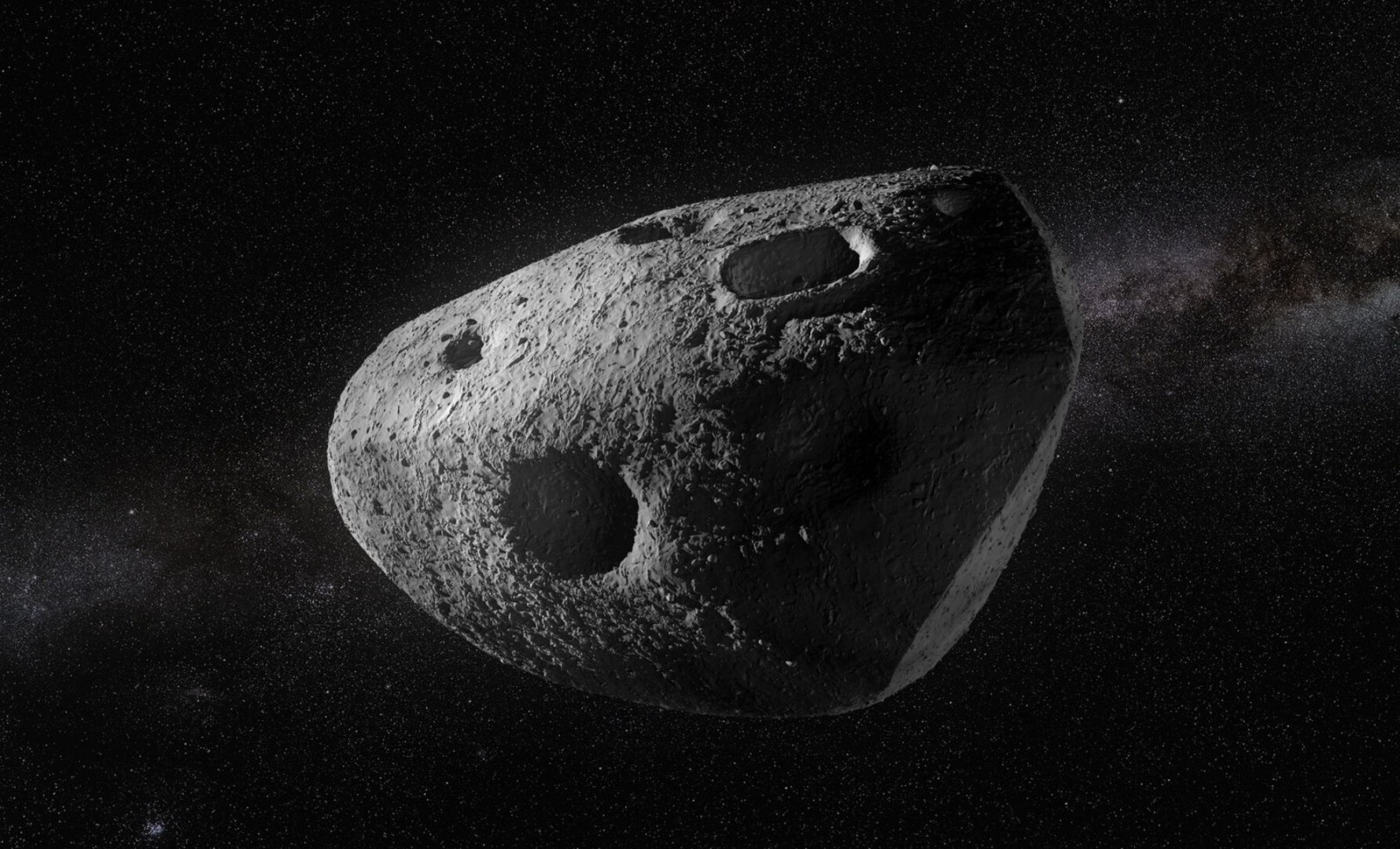
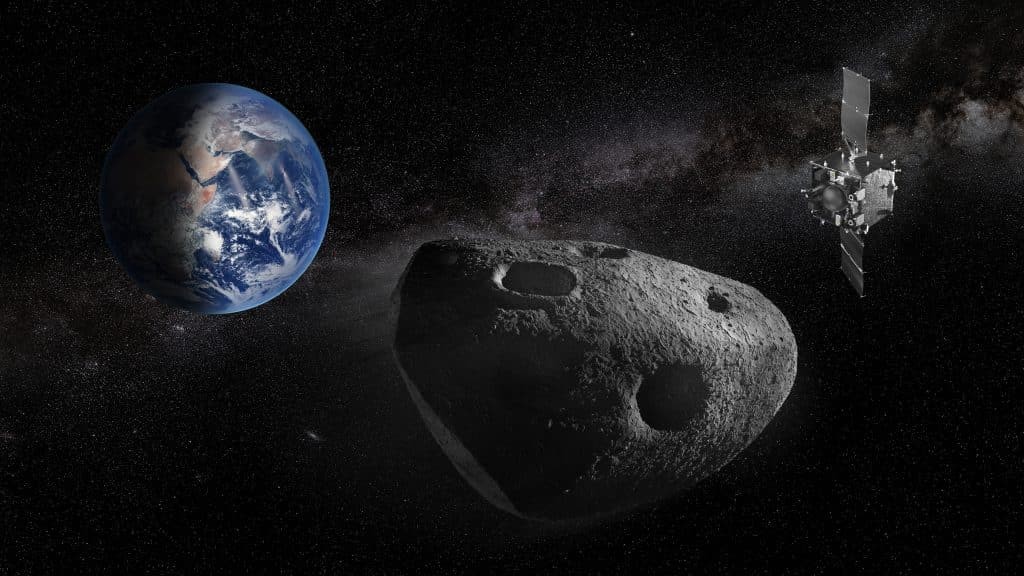
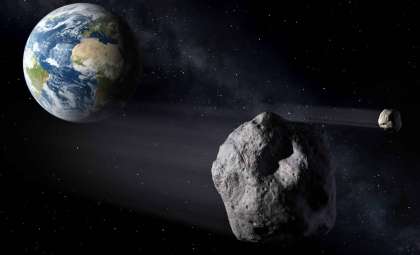
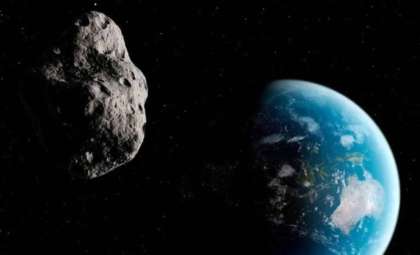
In 2029, a remarkable celestial event will unfold as the 375-meter-wide asteroid Apophis zooms past Earth at an incredibly close range. To investigate this rare encounter, the European Space Agency (ESA) and Japan’s Aerospace Exploration Agency (JAXA) have partnered on the Ramses mission, a joint initiative designed to examine how Earth's gravity influences the asteroid. This mission aims to gather crucial data that will enhance planetary defense capabilities, a rapidly advancing field in space research.
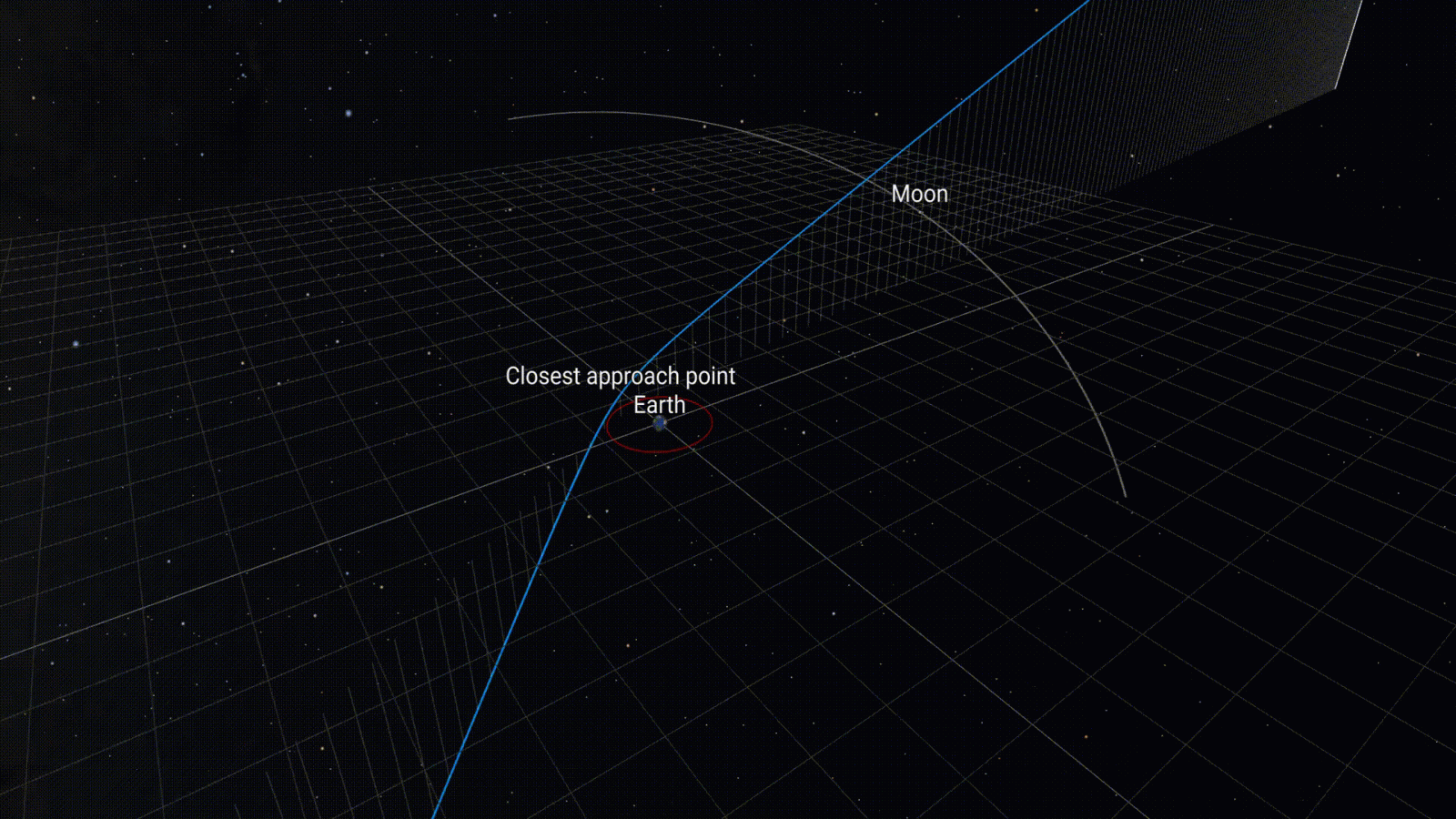
Scheduled for April 13, 2029, Apophis is expected to come within just 32,000 kilometers of Earth, roughly one-tenth the distance to the Moon. Though the asteroid does not pose an immediate danger, its proximity offers a valuable window for scientific observation and discovery.
Collaborative Effort for Planetary Protection: ESA Teams Up with JAXA
The partnership between ESA and JAXA in executing the Ramses mission marks a milestone in international space cooperation. This endeavor will focus on studying how Apophis reacts to Earth's gravitational pull—an insight vital for formulating planetary defense strategies.

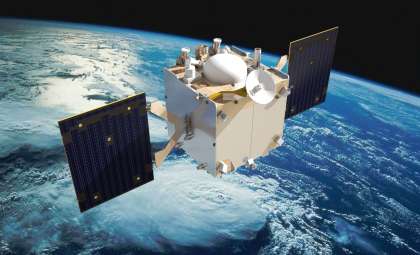
As reported by Cosmos, JAXA will deploy the Ramses spacecraft using its H3 rocket, while ESA will supply specialized scientific knowledge encompassing mission design and implementation. Their collaboration also entails developing cutting-edge instruments, such as the thermal infrared imager, building on the technology employed during JAXA’s Hayabusa2 mission.
“Ramses needs to happen,” said Fujimoto Masaki, Director General of the JAXA Institute of Space and Astronautical Science, emphasizing the importance of this international effort. “We have been working closely with ESA Space Safety Program, and this was a mission where we wanted to offer major cooperation.”
Ramses: Advancing Our Understanding of Asteroid Defense
Apophis’ close approach provides a rare chance to observe how the asteroid responds to external influences, helping to better prepare for potential future asteroid impacts. According to Patrick Michel, a planetary scientist at the French National Centre for Scientific Research (CNRS), the mission will allow researchers to study how small celestial bodies behave when subjected to gravitational forces, which is crucial in developing deflection techniques.
The insights gained from Ramses could greatly improve knowledge about asteroid deflection methods, including kinetic impact strategies. Timing is key, as planetary defense technology is still maturing. Michel notes,
“In this unique time, nature is doing the job for us. Nature will provide the interaction, and we just have to observe.”
Such observations could reveal new ways to alter an asteroid’s path effectively.
Strengthening Global Cooperation in Space Exploration
This mission also highlights the essential role of international teamwork and cultural synergy in advancing space science. Despite differences in operational methods and bureaucratic hurdles, ESA and JAXA have fostered a robust collaboration fueled by a common goal to safeguard our planet. Michel believes this partnership transcends science, symbolizing global unity as the planet prepares for Apophis’ near pass in 2029.
“When everyone looks at Apophis, we will have two main agencies together on the asteroid. And that’s a great message,” he said, emphasizing the significance of such a joint mission.
- Categories:
- Astronomy









0 comments
Sign in to Comment