

A Neanderthal baby dating back over 50,000 years exhibited growth rates comparable to a modern toddler’s size within just six months. This rare, well-preserved skeleton reveals insights into the rapid early growth phases of Neanderthals.
The specimen, named Amud 7, was uncovered in a cave near the Sea of Galilee and is estimated to be between 51,000 and 56,000 years old. Scientists meticulously assembled the fossil from 111 bone fragments, offering a valuable glimpse into Neanderthal infancy, which is scarcely found in archaeological discoveries.
Understanding growth development is key for examining energy demands, childcare strategies, and environmental adaptation. These results highlight a notably quick growth trajectory in a challenging environment.

Surprising Body Proportions of a Six-Month-Old
Researchers primarily assessed the infant’s age through dental examination. Enamel growth patterns and tooth emergence point to an age between 5.5 and 6 months. According to New Scientist, only the two bottom baby teeth had partially erupted before death.
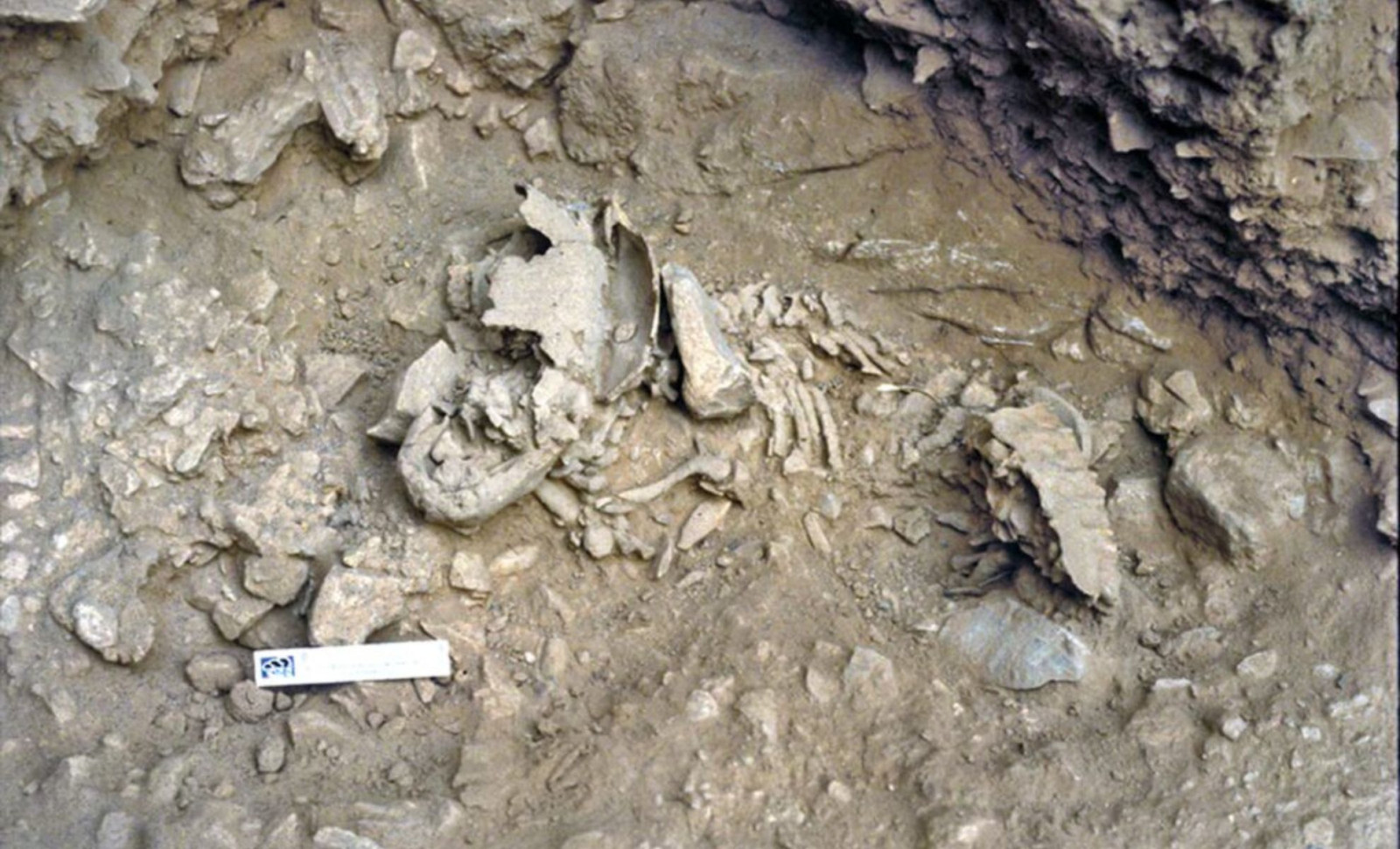
However, the fossil’s bones tell a different story. The length of its limb bones resembles that of a modern child aged approximately 12 to 14 months, and its brain size, about 880 cubic centimeters, falls within this range too.
A study featured in Current Biology discusses this “age paradox,” where dental maturity does not align with skeletal development.
Early Appearance of Unique Neanderthal Characteristics
The reconstructed skeleton displays typical Neanderthal anatomical traits such as sturdy bones, an enlarged braincase, and distinct scapular and limb alignments. Researcher Ella Been noted that these features emerging so early imply they are innate rather than shaped by environmental influences.
“There are some notable differences: robust bones, a large endocranium, no chin, a highly curved clavicle, a superior inclination of the scapular spine, an inferior orientation of the glenoid cavity, and a relatively short tibia.” She added,“The fact that these differences appear so early in life indicates that Neanderthal morphology is deeply rooted in their biology, and not shaped by the environment or behavior.”
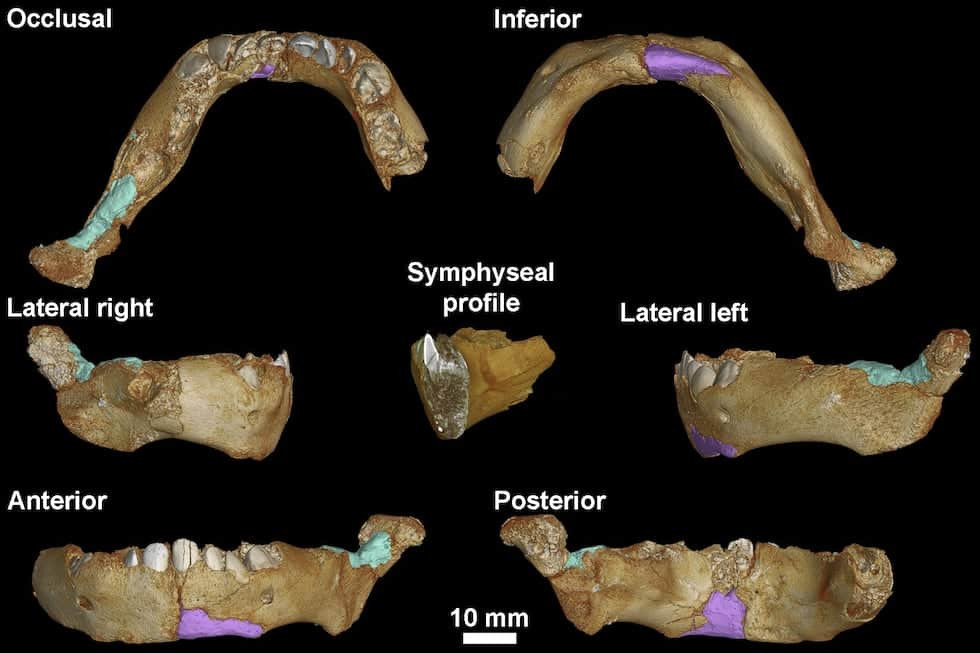
This evidence suggests a unique developmental trajectory starting from birth. Neanderthal growth apparently advanced more rapidly in brain and body size during the earliest years.
Accelerated Development Linked to Early Dietary Adaptations
Such swift maturation required high energy intake. Prior research on Neanderthal dental remains indicates infants began eating solid food around five to six months old. This mirrors human weaning timelines and corresponds with increasing energy demands from the developing brain.
“I think Amud 7 is closer to 6 months old,” Been tells New Scientist. “I believe that the histological age of the teeth is more accurate than age measured by the volume of the long bones or the endocranial cavity for estimating such a young age.”
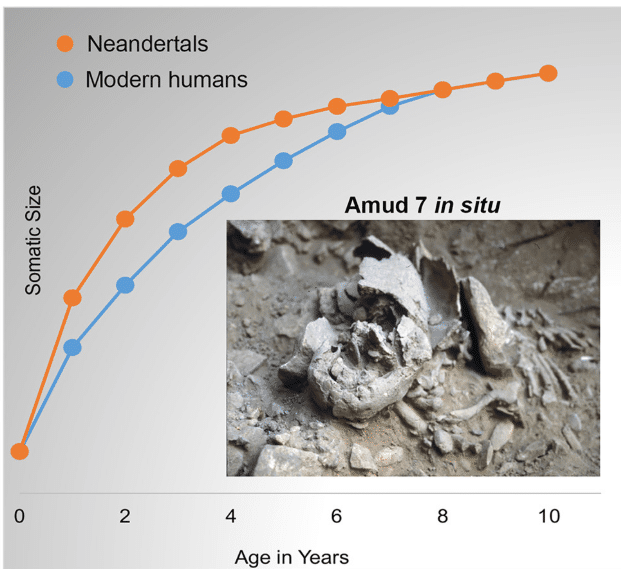
The accelerated growth pattern identified in Amud 7 is corroborated by other Neanderthal juveniles such as Dederiyeh 1 and Roc de Marsal. As noted in New Scientist, this trend observed across several specimens indicates rapid early development was common within the species. Nevertheless, some questions remain unanswered. As Been explained:
“We cannot say how advanced Neanderthal babies were in their behaviour. We do not know whether they started walking at a different time than modern human babies do.”
- Categories:
- Science










0 comments
Sign in to Comment