

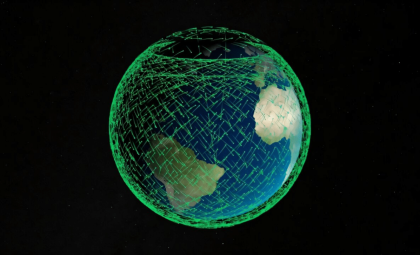
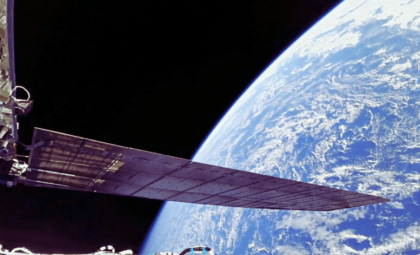
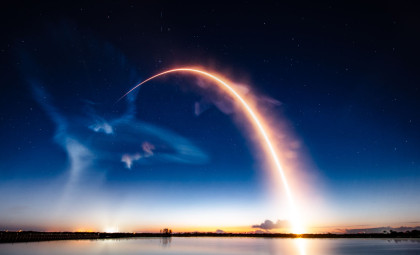
SpaceX’s ambitious plan to launch more than a million satellites into low Earth orbit has ignited global debate. Aimed at expanding global internet coverage through its Starlink program, this massive deployment could dramatically change how we experience the night sky, raising serious concerns for both astronomy and public stargazing.
Covered extensively by The Conversation, this controversial project has sparked intense discussions among scientists, environmental advocates, and the general public. The scale of the satellite constellation is unprecedented and poses risks that many fear are not fully understood.
The Multi-Billion Dollar Starlink Endeavor
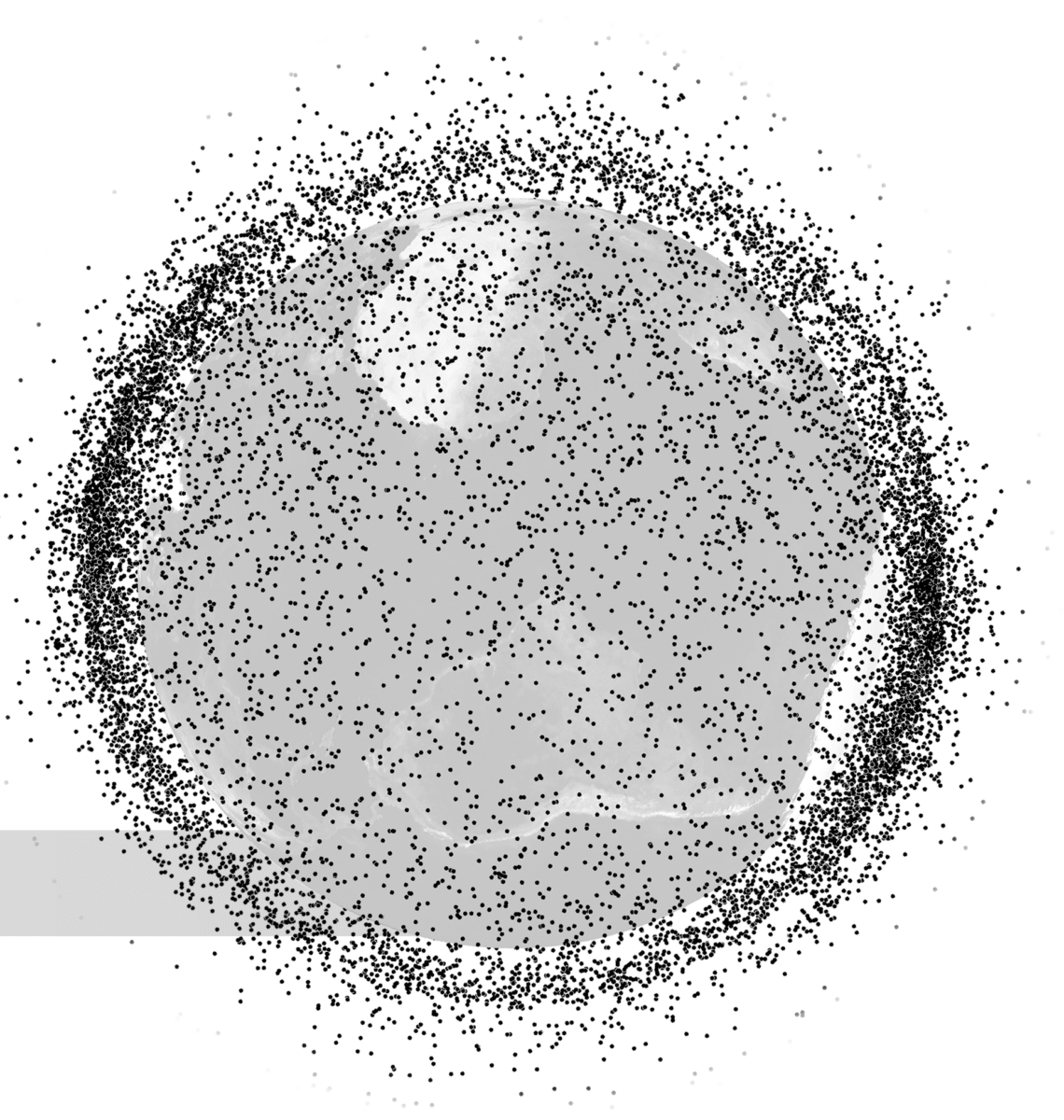
Starlink seeks to deliver high-speed broadband to underserved regions worldwide. While its promise of bridging the digital gap is significant, this comes with a steep environmental cost: the potential disappearance of a pristine night sky. Experts caution the enormous number of reflective satellites will increase skyglow, making it nearly impossible to enjoy or study the stars, thereby disrupting critical astronomical data gathering.

“It is a dangerous precedent,” said Dr. Robert Massey, Deputy Executive Director at the Royal Astronomical Society (RAS). “These proposals would not only have a disastrous impact on the science of astronomy, they would also hinder the right of everybody on Earth to enjoy the night sky. That is unacceptable.”
Scientists are warning that the sheer number of bright satellites will form a persistent glow, severely impairing telescope observations. This loss of visual acuity in the night sky threatens to stall decades of progress in space science, cosmology, and astrophysics.
Broader Environmental and Cultural Concerns
Aside from scientific issues, the mass deployment also raises profound environmental and cultural questions. The night sky is a universal heritage connecting humanity to its history and the natural world. Many see its potential darkening as a significant loss to both Earth’s beauty and global cultural identity.
“The stars above us are a valued part of human heritage,” Dr. Massey added. “Deploying more than one million exceptionally bright satellites would utterly destroy this and permanently scar the natural landscape.”
For millennia, humans have drawn inspiration and meaning from the stars. The possibility of losing clear skies weighs heavily on those who find solace and wonder in gazing upward, particularly as more people feel disconnected from nature in today’s world.
Implications for Astronomy and Space Science
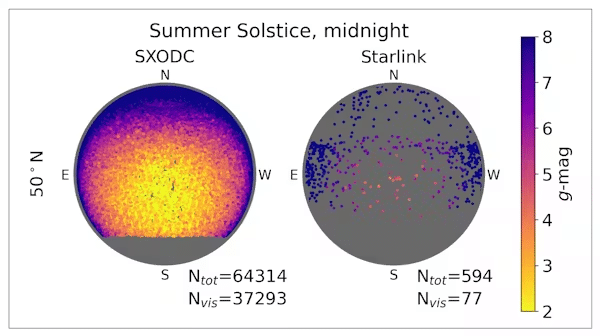
According to coverage in The Conversation, a primary worry is the extent to which Starlink’s satellites would interfere with astronomical observations. Earth- and space-based telescopes depend on dark, clear skies to study distant cosmic phenomena. The constant glow and rapid transit of an immense satellite swarm could obliterate faint signals from stars and galaxies, hampering research.
Astronomers caution this disruption may delay critical discoveries related to climate studies, stellar evolution, and the search for extraterrestrial intelligence. Missing such data at this pivotal moment could set science back by decades.
Experts have called on regulatory authorities such as the Federal Communications Commission (FCC) to thoroughly assess and potentially reject the plan. “We hope the FCC wholeheartedly rejects the plans,” Dr. Massey stated.
Safeguarding Our View of the Cosmos
This unfolding situation represents more than just a challenge for science; it embodies a broader struggle to conserve a vital part of our natural world. With public opposition mounting, it is essential to strike an equilibrium between advancing technology and preserving our shared celestial environment. Proposed mitigation measures include dimming satellite reflectivity and altering orbits to lessen sky interference.
Whether these strategies suffice to protect the night sky’s grandeur remains uncertain. However, decisions made in the near future will undeniably shape the cosmic legacy left to future generations.
- Categories:
- Space








0 comments
Sign in to Comment