
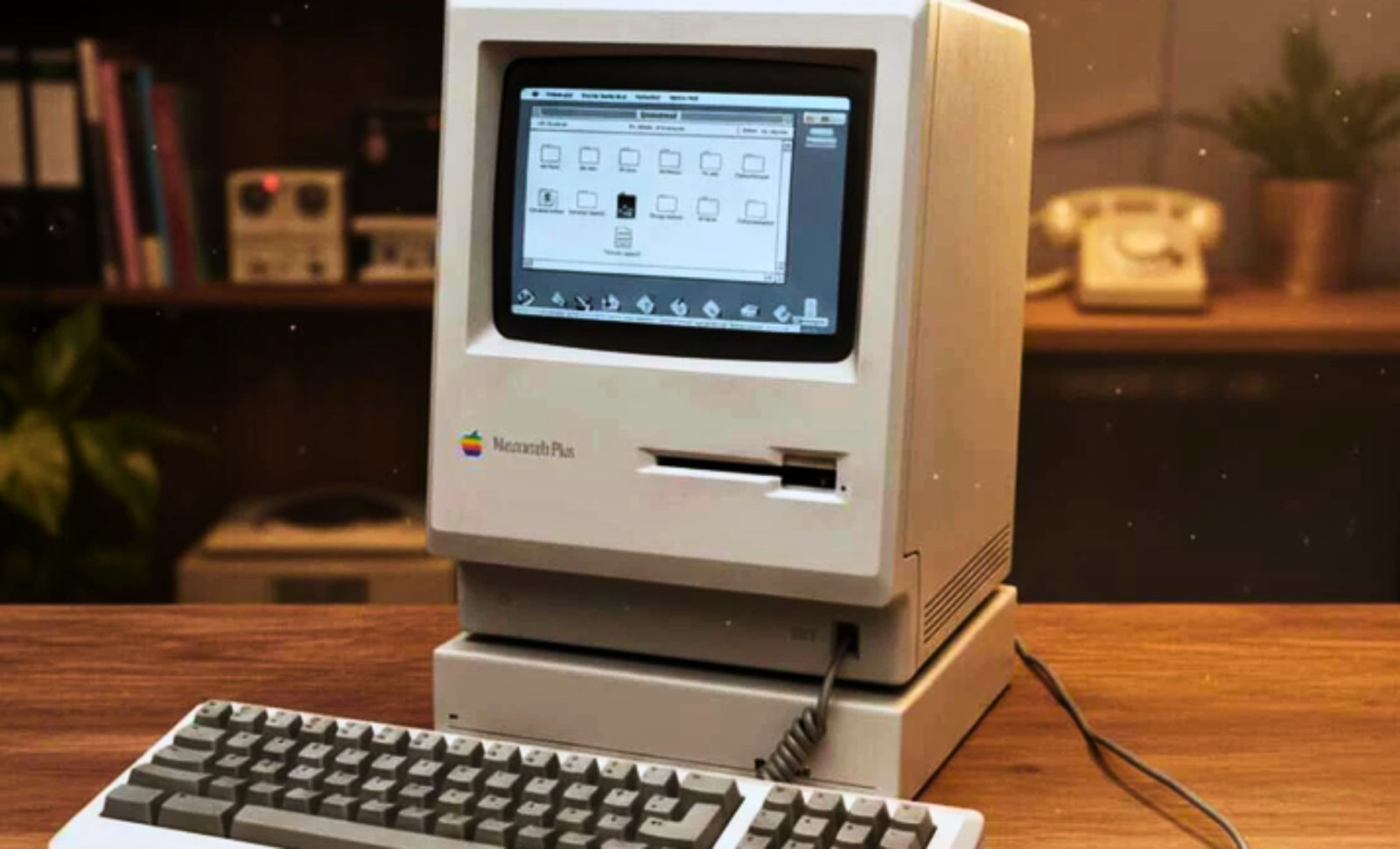
Thomas Knoll never intended to revolutionize digital imaging. Back in 1987, as a PhD candidate at the University of Michigan, he faced a simpler challenge: his Macintosh Plus could only show images in black and white, lacking grayscale, which complicated his research in computer vision. To overcome this, he programmed a modest utility dubbed Display that manipulated pixels to simulate gray tones. This modest student project laid the groundwork for what we now know as Adobe Photoshop.
Photoshop officially debuted on February 19, 1990. Over more than thirty years, it has transformed the landscape of photography, publishing, cinema, and web design. Thomas Knoll’s own narrative, shared in a 2015 discussion on the Adobe Blog, offers a definitive history. For those who edit images regularly without considering their origins, this backstory offers valuable insight.
How a Brother’s Idea Turned a Simple Tool Into a Game-Changer
Experienced in programming since high school, having taught himself BASIC on a timesharing system, and passionate about photography since receiving an Argus Rangefinder from his father at age eleven, Thomas’s skills were distinct until his brother John encountered the Display utility.

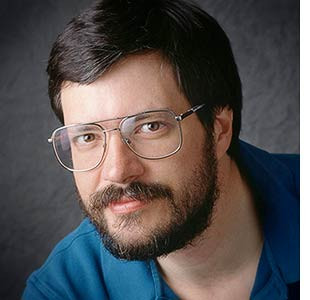
John Knoll was working at Industrial Light and Magic, George Lucas’s renowned effects company, focusing on analog image compositing. As the firm began exploring digital techniques—scanning film frames into data, modifying them, and outputting back to film—John quickly recognized the potential.
In Thomas’s words from the Adobe interview, John explained the process clearly: turn film into data, manipulate the data, and convert it back into footage. He predicted this path would shape the future of special effects and began learning computer graphics himself.

Thomas shared his suite of image-processing programs from his research with John. Although useful, John quickly found switching between separate programs inefficient and requested a unified application, planting the seeds for a consolidated workspace that defines Photoshop to this day.
Bridging Traditional Darkroom Skills with Digital Tools
After integrating the utilities, John pointed out a new issue: the computers he used had monitors with varying gamma, causing images to appear differently across machines. The software needed to address these discrepancies.
Drawing from his experience in the darkroom, Thomas recalled how photographers adjusted brightness and contrast using chemical solutions and enlarger settings. This background inspired Photoshop’s Levels adjustment tool, its first significant image correction feature, seamlessly connecting analog techniques with digital controls.
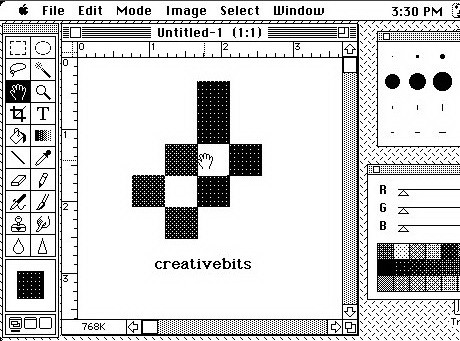
Initially named ImagePro, the software was eventually rebranded as Photoshop. By October 1988, they completed an alpha version (0.63), though it never entered the commercial market.
Rejections Galore Before Adobe Took the Lead
The Knoll brothers pitched their invention to numerous technology companies but faced repeated refusals. Some declined even to review the software, fearing competition; others claimed image editing was outside their market scope.
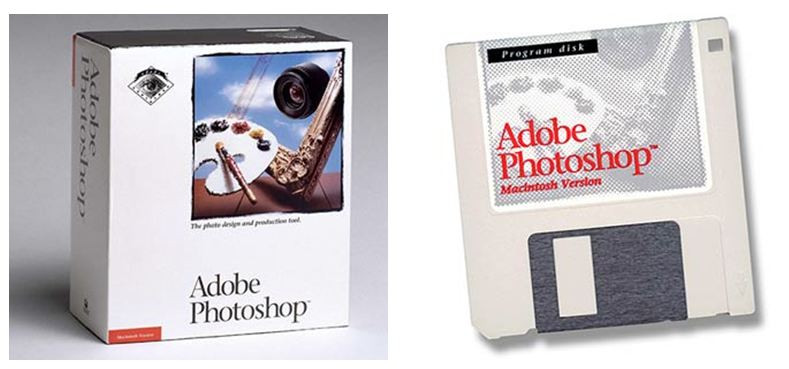
Adobe’s reaction was different. From the moment they saw the demo, the team recognized its unique strengths and how well it complemented Adobe's portfolio. They secured distribution rights, releasing Photoshop 1.0 exclusively for Macintosh in February 1990. Running on Mac System 6.0.3, it occupied about two megabytes and cost $895, targeting professional graphic artists, publishers, and design firms. Iconic tools like the Lasso and Magic Wand debuted here, slashing editing time and shaping standards competitors soon adopted.
However, the software's reach was limited initially. Consumer digital cameras were not yet available, and high-quality digital printers remained elusive. Producing a photo print required generating color separations and using commercial printing presses — a costly and complex process that could run into thousands of dollars.
Ahead of Its Time, Waiting for Hardware to Catch Up
Photoshop’s popularity surged with the rise of the public internet in the early 1990s. Website designers needed tools to manipulate and compress images, and Photoshop fit perfectly. Budget-friendly inkjet printers soon followed, enabling artists to scan film, edit images digitally, and print at home. The arrival of consumer digital cameras streamlined the workflow by eliminating scanning and delivering raw images directly into the software.
In his 2015 interview, Thomas Knoll reflected that digital photography’s rapid expansion hinged on having established tools for image editing and printing. Photoshop was prepared years before hardware advancements made its widespread use possible, patiently waiting as the ecosystem grew around it.
Since then, Adobe has extended Photoshop’s availability across multiple devices, moving from desktop to mobile interfaces. The original Photoshop 1.0 source code was donated to the Computer History Museum, cementing its contribution to computing heritage. When asked what the future held in 2015, Thomas highlighted the shift toward mobile platforms as a key focus and expressed satisfaction seeing artists harness Photoshop’s core features to create unexpected works. That adaptability is what keeps Photoshop relevant time after time.
- Categories:
- News










0 comments
Sign in to Comment