
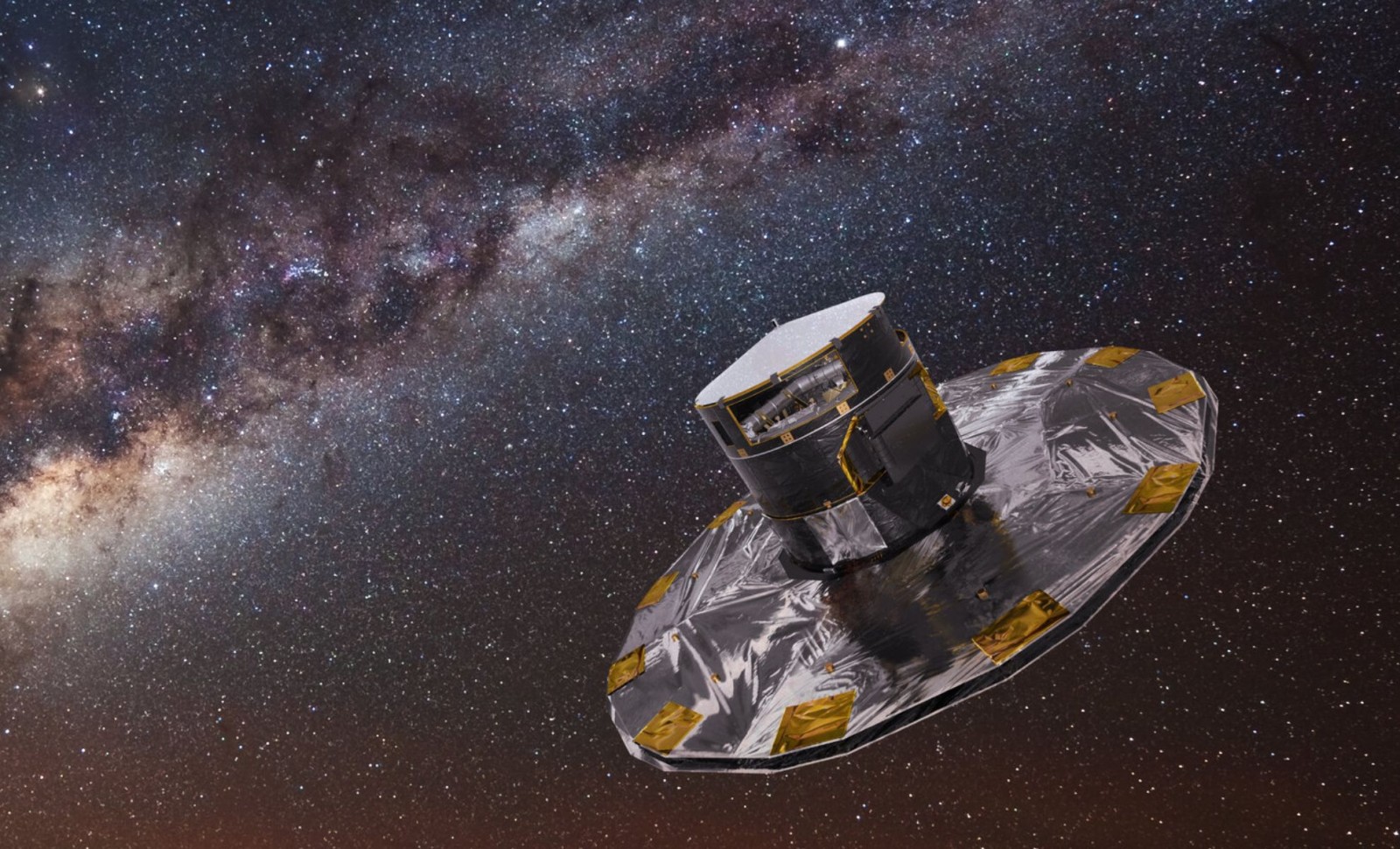
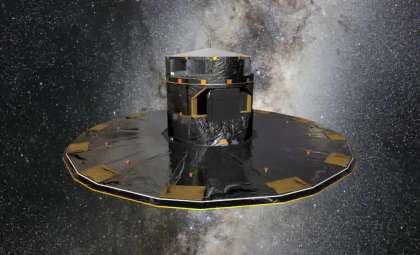
The European Space Agency's Gaia mission has provided new insights into why asteroids exhibit such varied spinning behaviors, ranging from stable rotations to erratic tumbling. Recent findings shared at the EPSC-DPS2025 Joint Meeting in Helsinki reveal that the interplay between impacts in space and internal friction governs their rotation states.
Scientists have long sought to understand the diverse spinning patterns of asteroids—some rotate consistently while others wobble without control.
The Role of Collisions and Internal Resistance
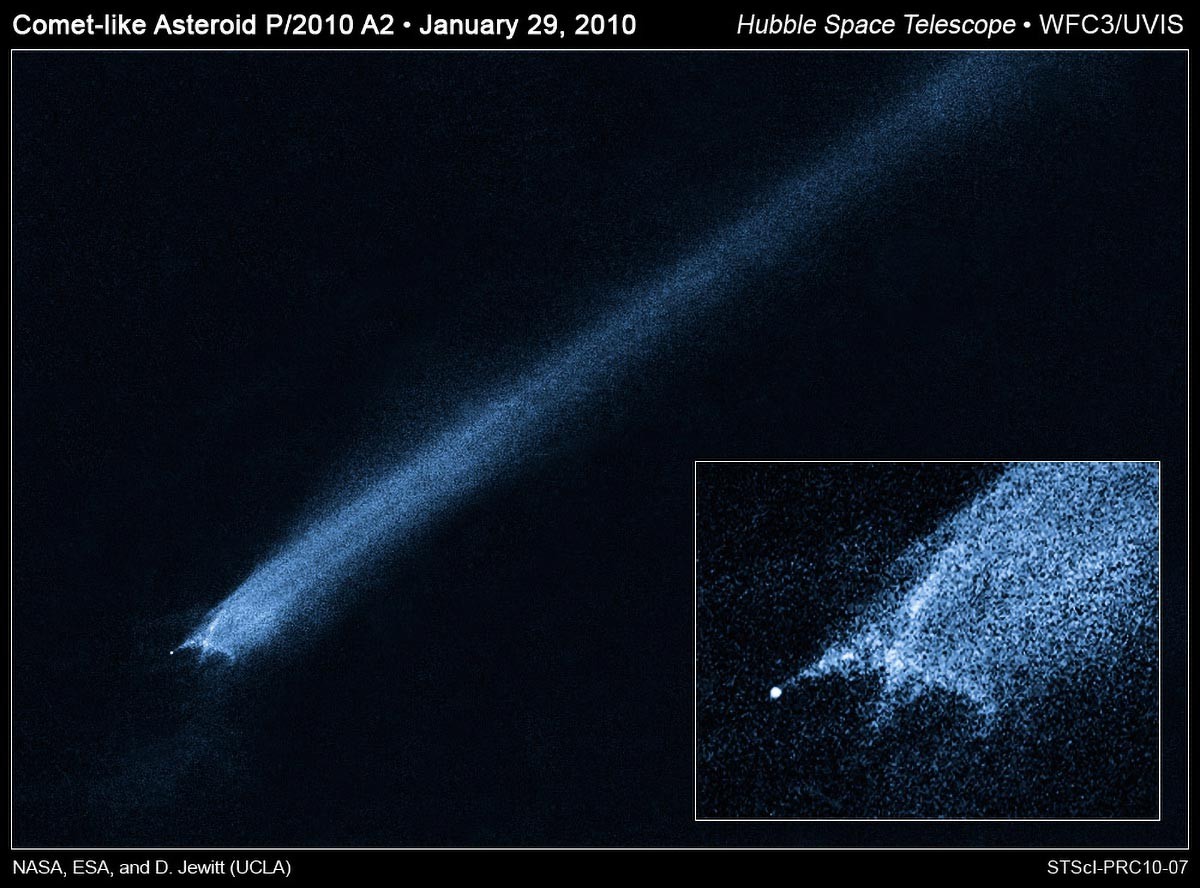
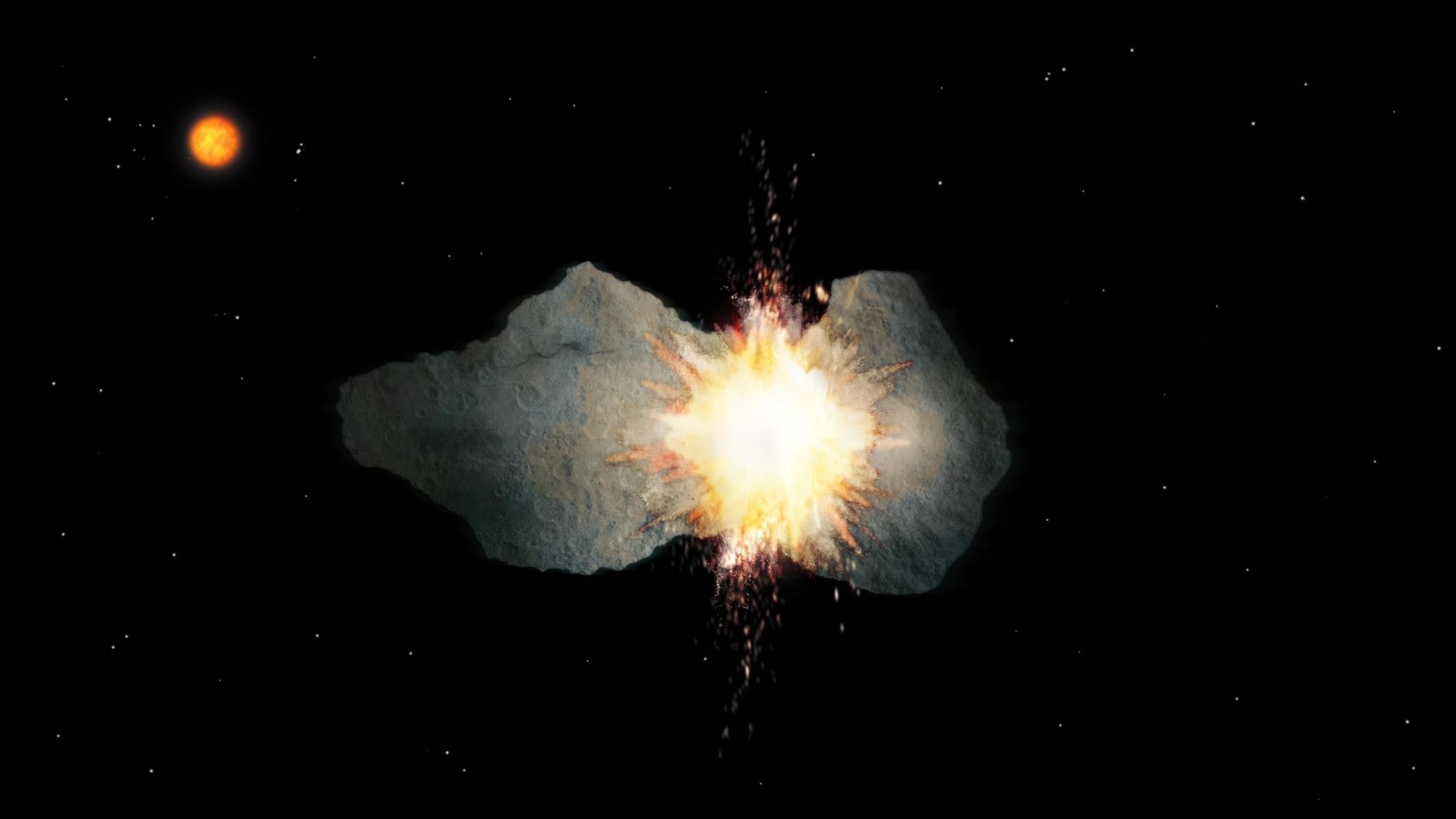
The Gaia mission highlights that asteroid spin is influenced by a continuous interaction between space collisions and internal frictional forces. Collisions can disrupt an asteroid’s stable spin, causing it to tumble. However, over time, friction inside the asteroid acts to dampen this motion, guiding it back toward a smoother rotation.

Lead researcher Dr. Wen-Han Zhou from the University of Tokyo, whose work is featured on the Europlanet platform, explains that this dynamic creates a clear separation in asteroid spin profiles. His team has developed a new evolutionary model for asteroid rotation to capture this behavior.
Analyzing Gaia’s precise light curve measurements, which track brightness fluctuations as asteroids spin, researchers detected a pronounced gap distinguishing two categories of spin states.
“By leveraging Gaia’s unique dataset, advanced modelling and A.I. tools, we’ve revealed the hidden physics shaping asteroid rotation, and opened a new window into the interiors of these ancient worlds,” explained Dr. Zhou
The Influence of Solar Radiation
Asteroids also experience subtle rotational changes due to the absorption and re-emission of sunlight. This phenomenon, known as the Yarkovsky effect, can gradually modify their spin rates, depending on how heat is distributed across their surfaces.
For steadily rotating asteroids, consistent heating and cooling cycles produce a steady thrust that can speed up or slow their rotation. Conversely, tumblers receive sunlight from varying angles, causing thermal forces to largely cancel out, resulting in slow changes to their spin that can persist for millennia.
Clues to Asteroid Structure and Composition
The researchers suggest that asteroids exhibiting slow, erratic spins are likely comprised of loosely bound rubble piles—aggregations of rocks and dust held together mainly by gravity rather than solid rock. This structure influences how they respond to impacts and solar radiation.
Understanding an asteroid’s makeup is crucial for predicting its reaction to deflection efforts, such as those demonstrated by NASA’s DART mission. Dr. Zhou emphasizes:
“With forthcoming surveys like the Vera C. Rubin Observatory’s Legacy Survey of Space and Time (LSST), we’ll be able to apply this method to millions more asteroids, refining our understanding of their evolution and make-up.”
- Categories:
- News





0 comments
Sign in to Comment