
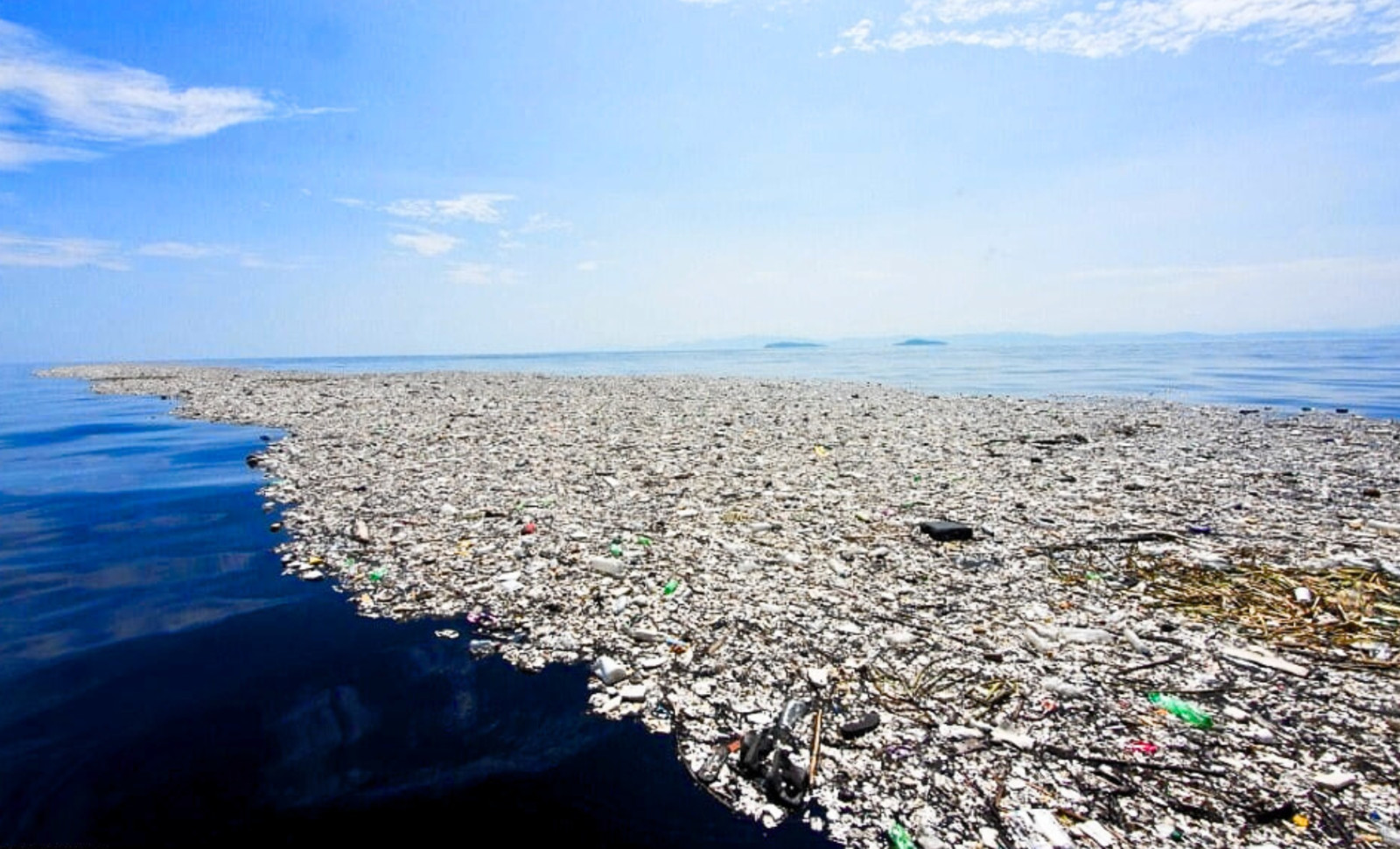
The Great Pacific Garbage Patch stretches across the waters between Hawaii and California, located within the North Pacific Subtropical Gyre. In this vast convergence zone, ocean currents trap and circulate plastic debris for extended periods. According to the nonprofit The Ocean Cleanup, approximately 1.8 trillion pieces of plastic are floating here, weighing close to 100,000 tonnes. These staggering figures have made this region a prominent emblem of marine pollution. (theoceancleanup.com)
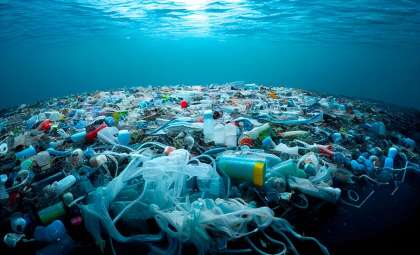
What complicates the understanding of the Great Pacific Garbage Patch is the nature of the debris itself. Much of the mass consists not only of tiny plastic fragments but also larger, buoyant items such as ropes, buoys, and discarded fishing equipment that remain afloat for long durations. As reported by The Ocean Cleanup, fishing nets represent nearly 46% of the patch’s weight, with more than 75% of the plastics linked to offshore fishing operations. This evidence shows the patch is more than just scattered litter; it acts as a vast platform of enduring floating debris.
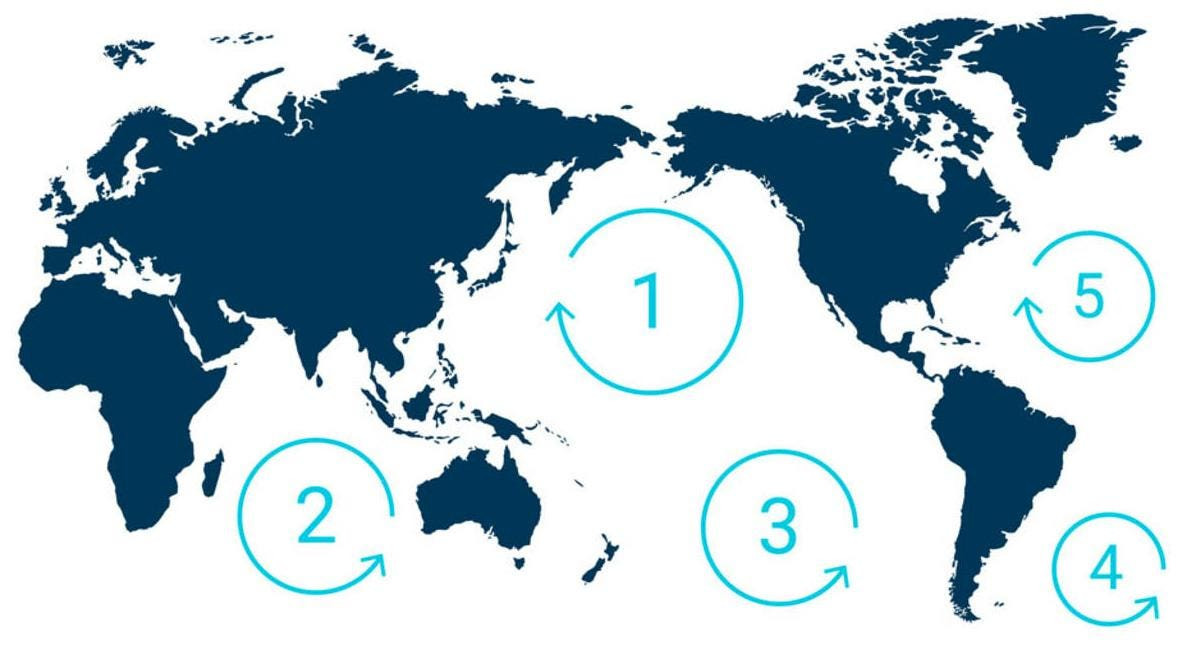
For marine scientists, the presence of these floating structures posed an intriguing question: what kinds of marine organisms inhabit these drifting plastics as they cross the Pacific? This query gained urgency after debris from Japan was found carrying live organisms across the ocean. Although primarily seen as a pollution crisis, the patch was becoming recognized as a unique ecosystem of sorts.

Discoveries on the Ocean’s Floating Plastics
In 2021, a pivotal study published in Nature Communications focused on this question. Led by Linsey E. Haram of the Smithsonian Environmental Research Center and a team from Williams College, Scripps Institution of Oceanography, University of Hawaii at Manoa, Fisheries and Oceans Canada, and other institutions, the research surveyed plastic debris caught in the North Pacific Subtropical Gyre. The team uncovered an emerging neopelagic community surviving far from coastal environments, challenging earlier assumptions about the patch’s ecological role.
The researchers reported the presence of 46 invertebrate species spanning six major animal groups on the collected debris. Among them, 37 species were typically coastal, while 9 were pelagic, indicating that around 80% of the biodiversity observed originates from shore-associated organisms rather than true open-ocean dwellers. Their conclusion was that floating plastics are fostering a hybrid assemblage of oceanic and coastal life forms, allowing unexpected species to thrive offshore.
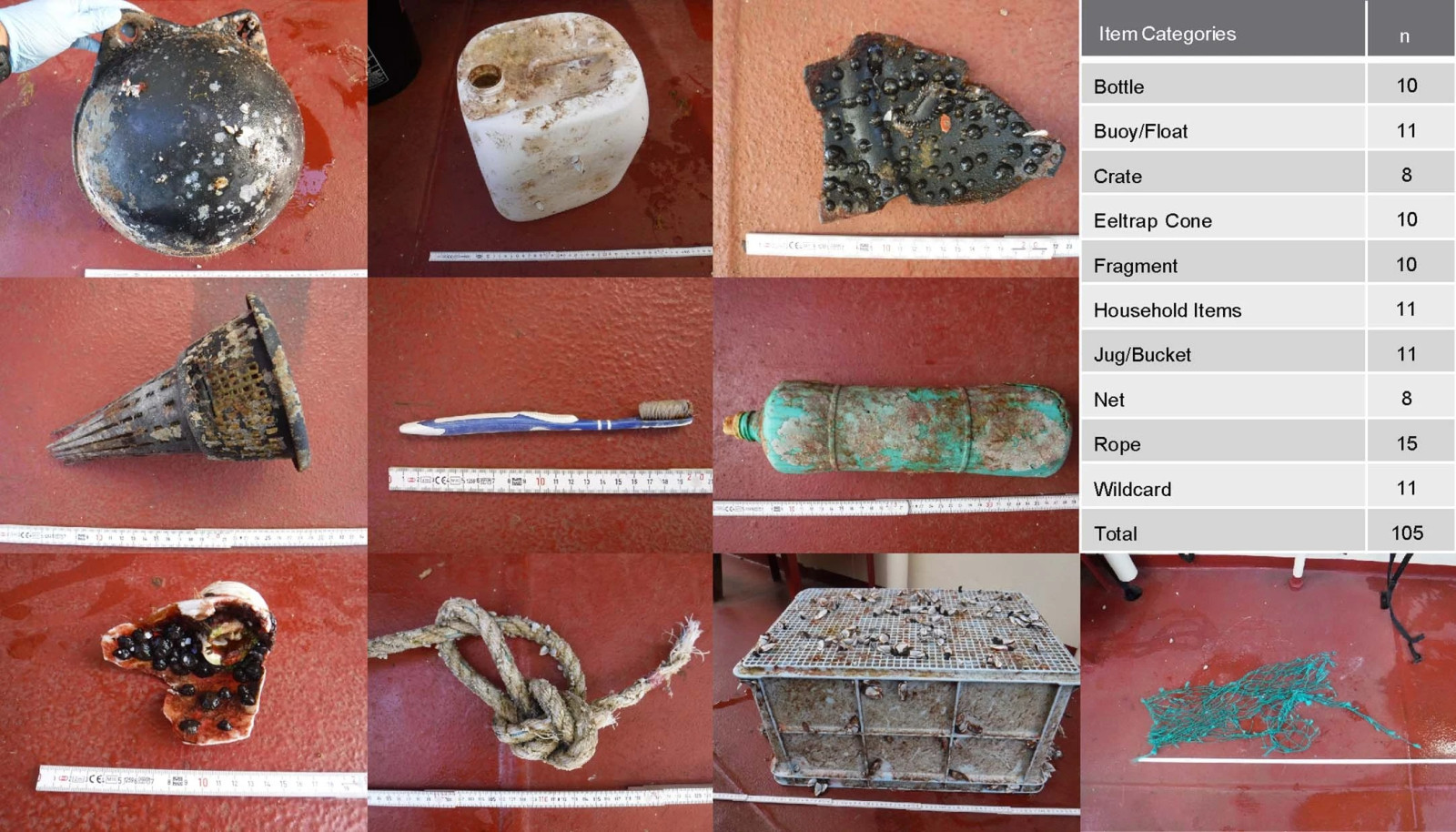
They named this phenomenon the neopelagic community, explaining that durable floating plastics provide habitat previously absent in open ocean environments. While natural rafts like wood, seeds, seaweed, and pumice have long transported species, these typically degrade quickly and do not offer stable homes. Plastic debris, however, persistently floats, creating new ecological niches.
The Impact of the 2011 Japanese Tsunami
One critical event in understanding this process occurred on March 11, 2011, when the Tōhoku earthquake and tsunami unleashed a massive debris field into the North Pacific Ocean. Subsequent studies documented hundreds of Japanese coastal marine species surviving journeys exceeding 6,000 kilometers, arriving along the North American Pacific coast and Hawaii. These organisms not only remained alive but grew and reproduced on the debris while adrift.
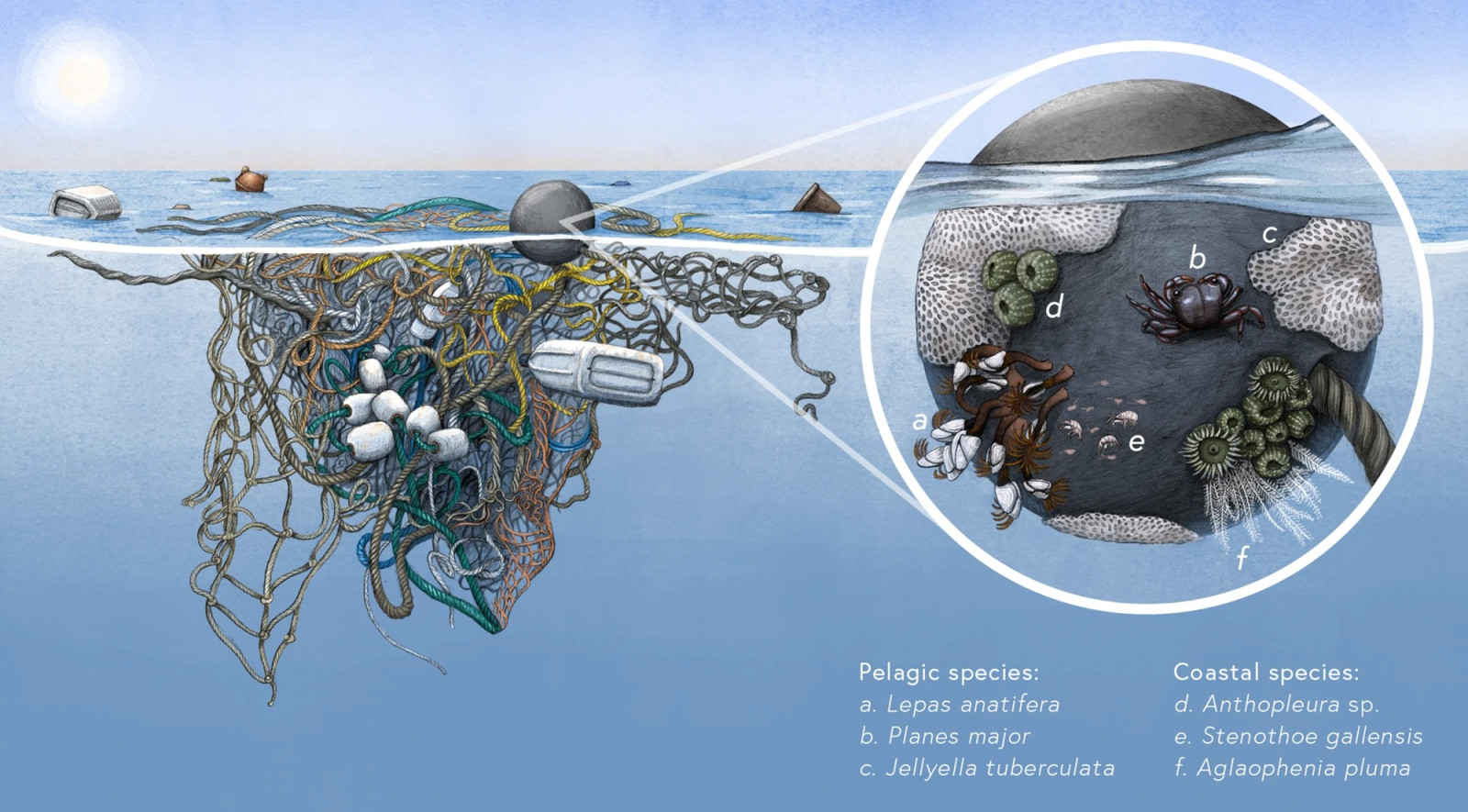
This event transformed scientists’ understanding of oceanic rafting. Previously, coastal species on floating objects were viewed as transient travelers with limited survival. The tsunami debris demonstrated that human-made marine litter, especially plastic, could serve as long-lasting rafts that support thriving populations over years. This shifted research focus toward whether these species were establishing enduring offshore habitats.
Why Plastic Outlasts Natural Rafts
The answer lies in the extended longevity of plastic debris. The Nature Communications paper highlights that plastics in subtropical gyres may persist for decades, affording inhabitants multiple opportunities to feed, reproduce, and sustain populations. Historically, the open ocean was deemed inhospitable to most coastal species, acting as a dispersal barrier. Now, persistent plastic habitats may enable coastal organisms to thrive and reproduce in the high seas, potentially forming self-sustaining offshore communities.
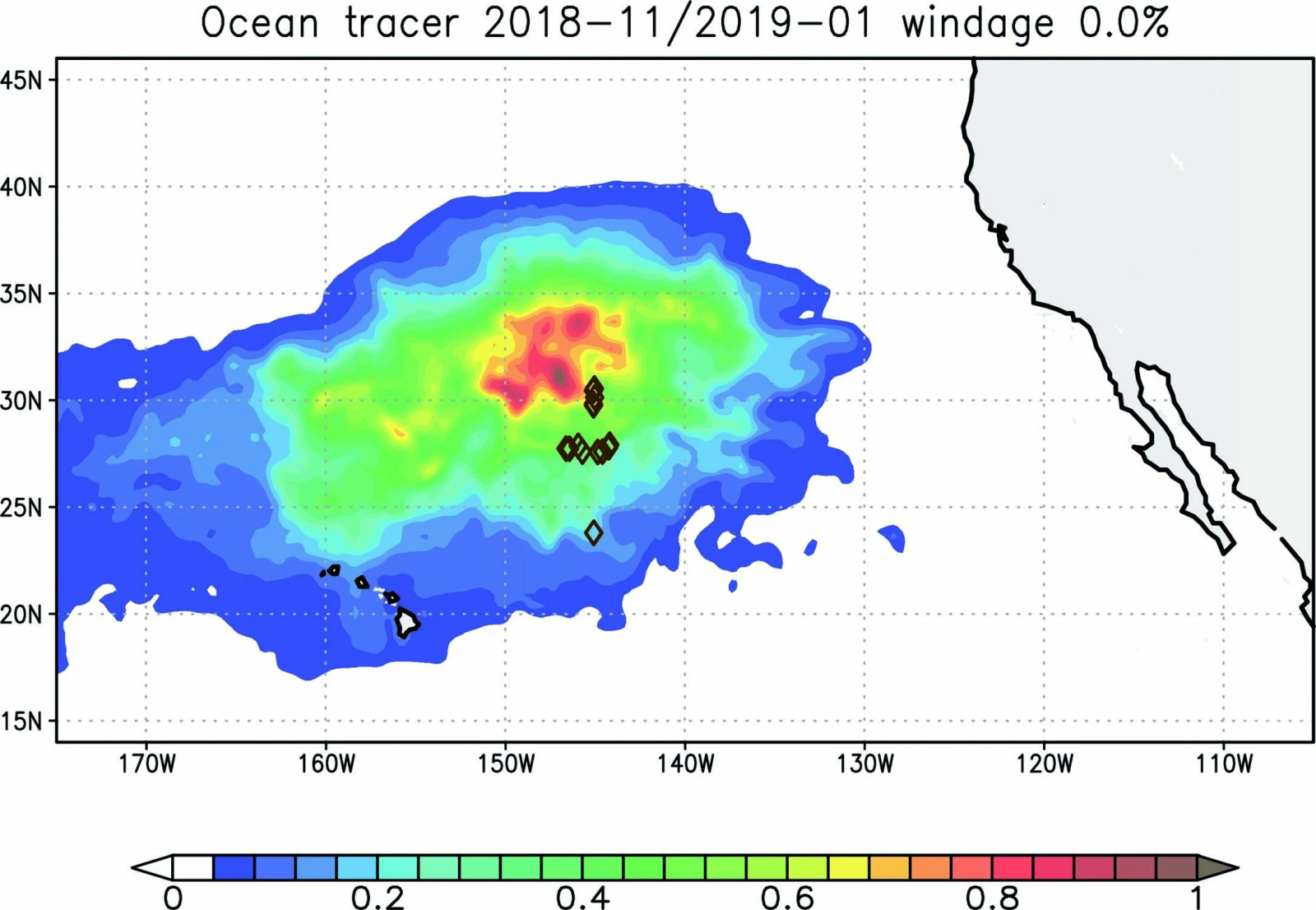
However, this ecological development does not lessen the patch’s status as a pollution hazard. The very floating debris that sustains marine life also causes harm. According to The Ocean Cleanup, ghost nets, or lost fishing gear, pose significant threats by ensnaring animals and leading to injury or death. Therefore, the Great Pacific Garbage Patch simultaneously represents a novel habitat and an environmental menace.
A Persistent Pollution Hotspot and Ecological Crossroads
The study authors warn of an added concern: if coastal species survive on plastic debris in open waters, this may facilitate the spread of invasive species across ocean basins. As floating plastics drift between regions, they could act as conduits enabling non-native species to colonize new shorelines.
Currently, the Great Pacific Garbage Patch remains a concentration of marine pollution while also hosting a distinctive neopelagic ecosystem living atop that pollution.
- Categories:
- Science





0 comments
Sign in to Comment