
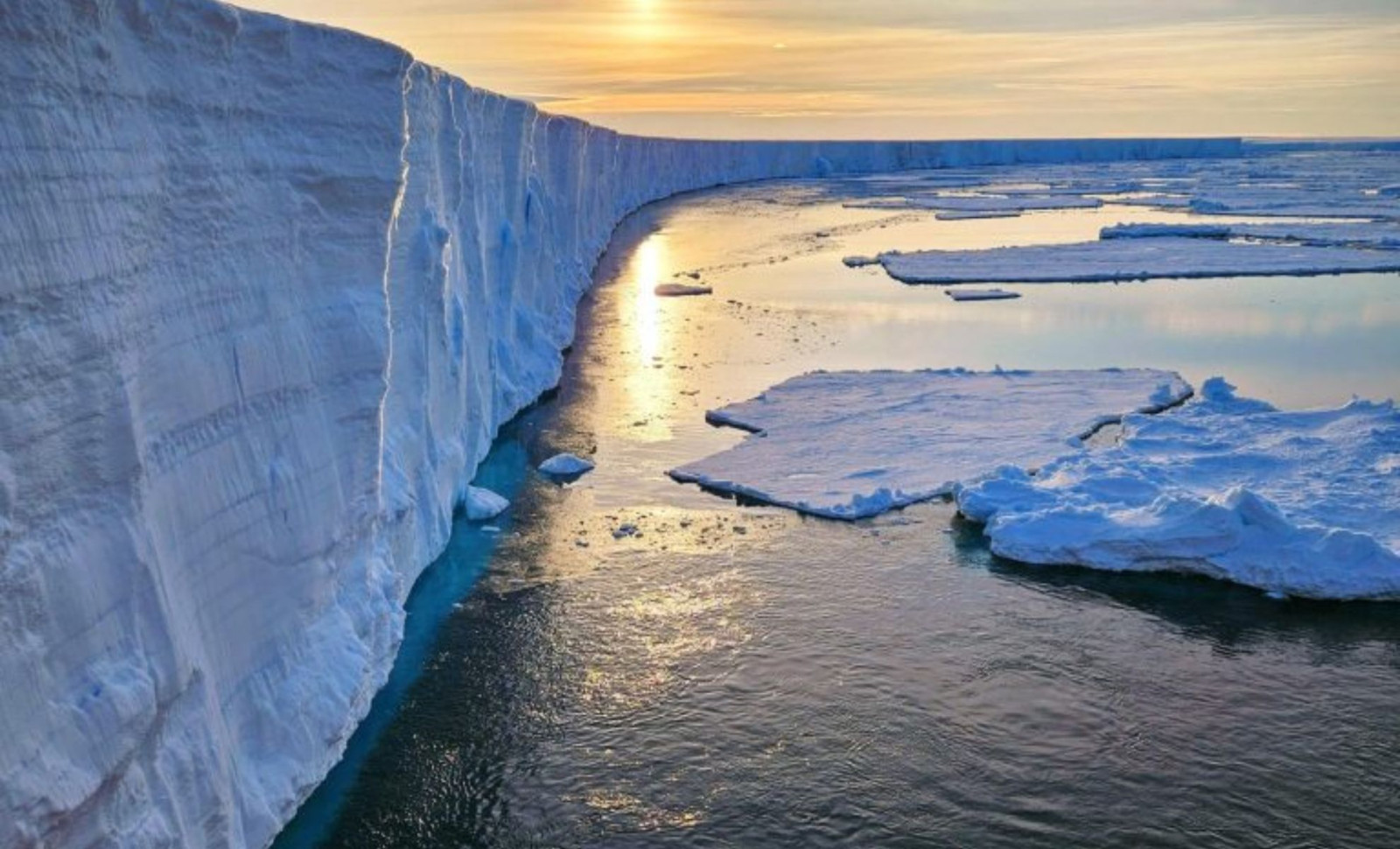
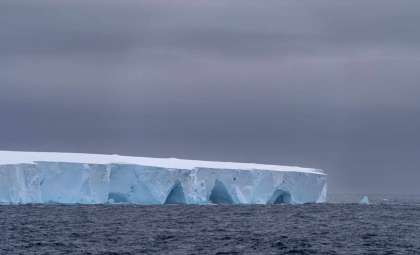
Recent research reveals that some ice shelves in Antarctica might be experiencing basal melting at rates much higher than previously believed. Published in Nature Communications, the study uncovers how channels beneath these floating ice masses trap warmer seawater, causing intensified melting in key areas that help stabilize colossal glaciers.
The investigation centered on the Fimbulisen Ice Shelf located in East Antarctica, a region traditionally considered colder and more stable than others on the continent. The researchers discovered that even small volumes of warmer water entering these underwater channels can drastically accelerate melting.
Ice shelves serve as floating extensions of glaciers, acting like massive barriers that slow glacier ice from flowing into the ocean. When these ice shelves weaken, glaciers can speed up, increasing the amount of ice entering the sea and contributing to global sea level rise.

Seawater Heat Trapped Below Ice Shelves
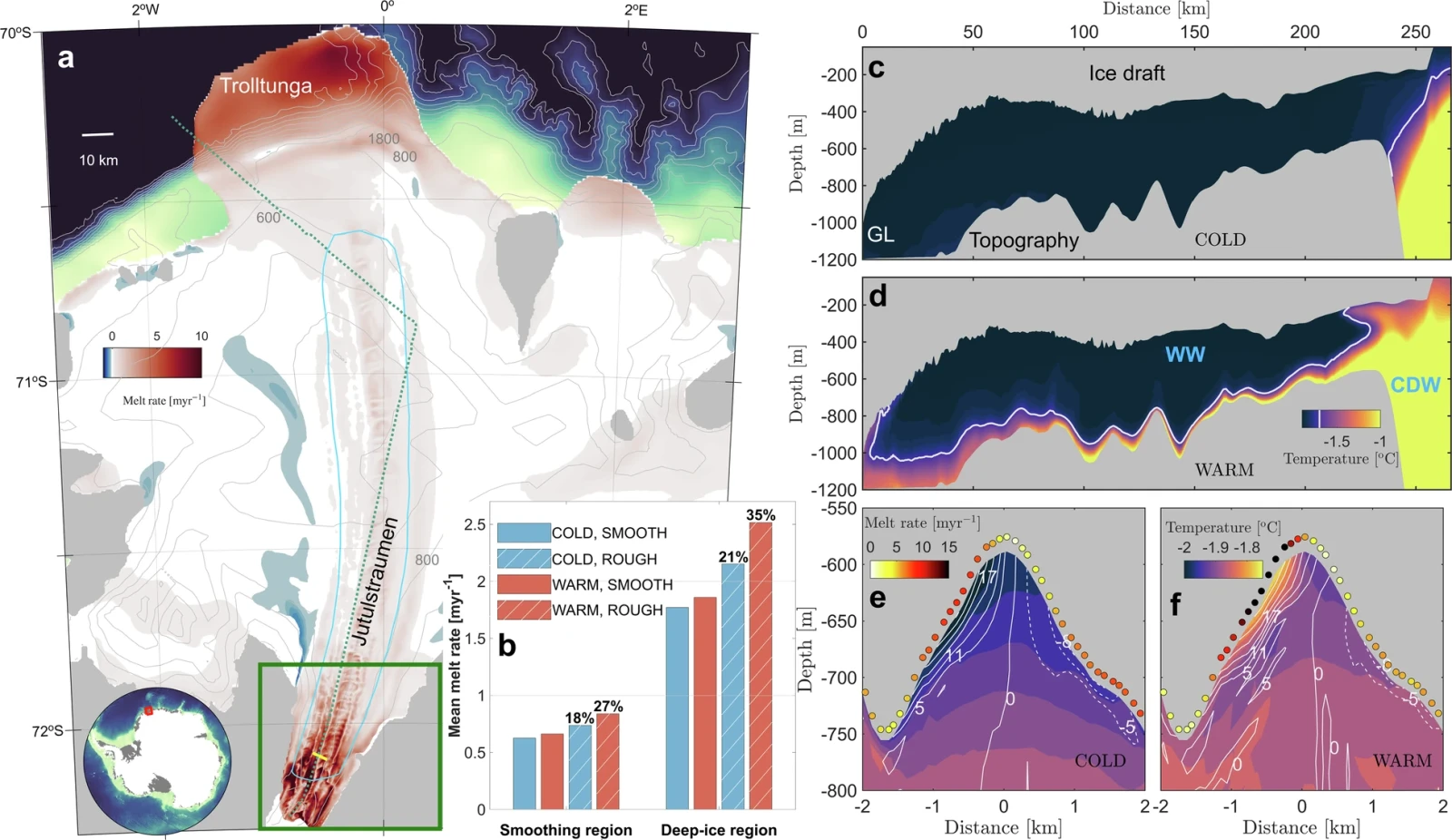
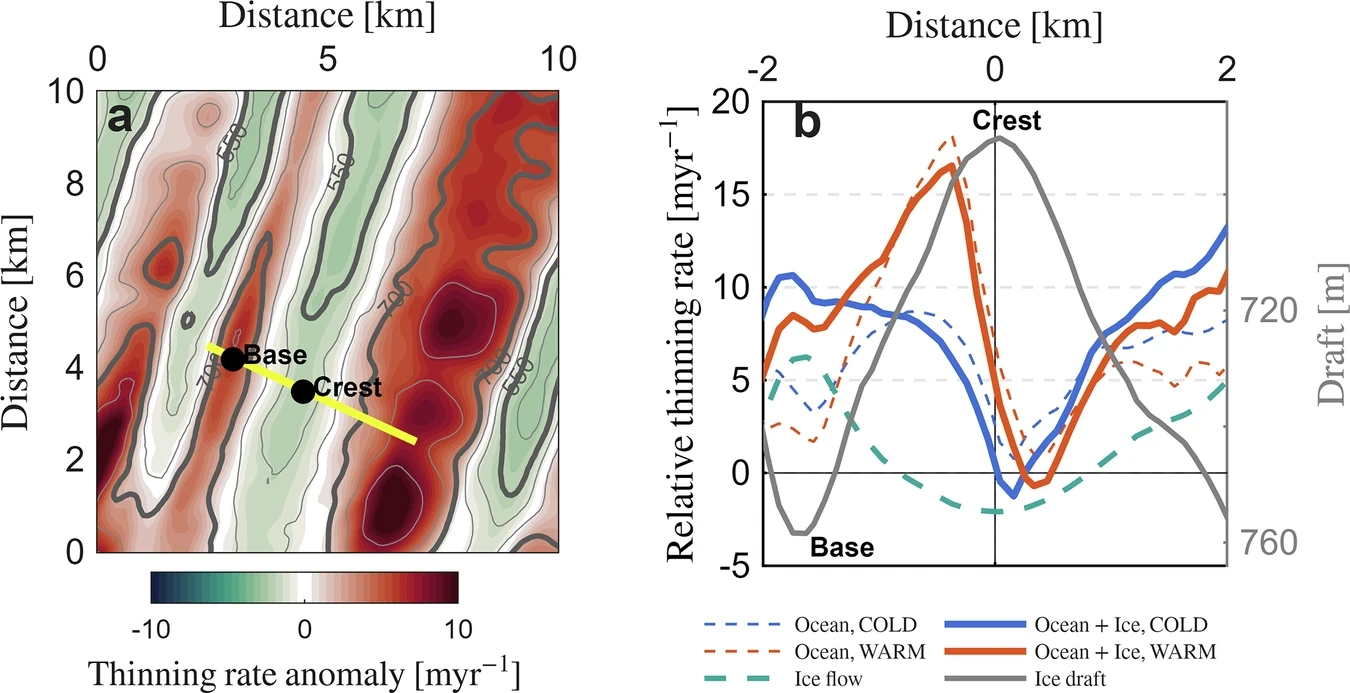
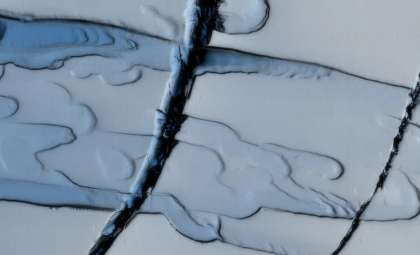
By combining precise seabed mapping with detailed ocean circulation simulations, the team identified that deep ridges carved into the ice shelf base trap warmer ocean water rather than allowing it to disperse naturally.
This trapped warmth locally enhances melting, with rates in these channels surging as much as tenfold compared to smoother areas beneath the shelves. Lead researcher Tore Hattermann from the iC3 Polar Research Hub in Tromsø emphasized that the ice shelf geometry is key in this process.
“We found that the shape of the ice shelf underside is not just a passive feature. It can actively trap ocean heat in exactly the places where extra melting matters most,” Hattermann said.
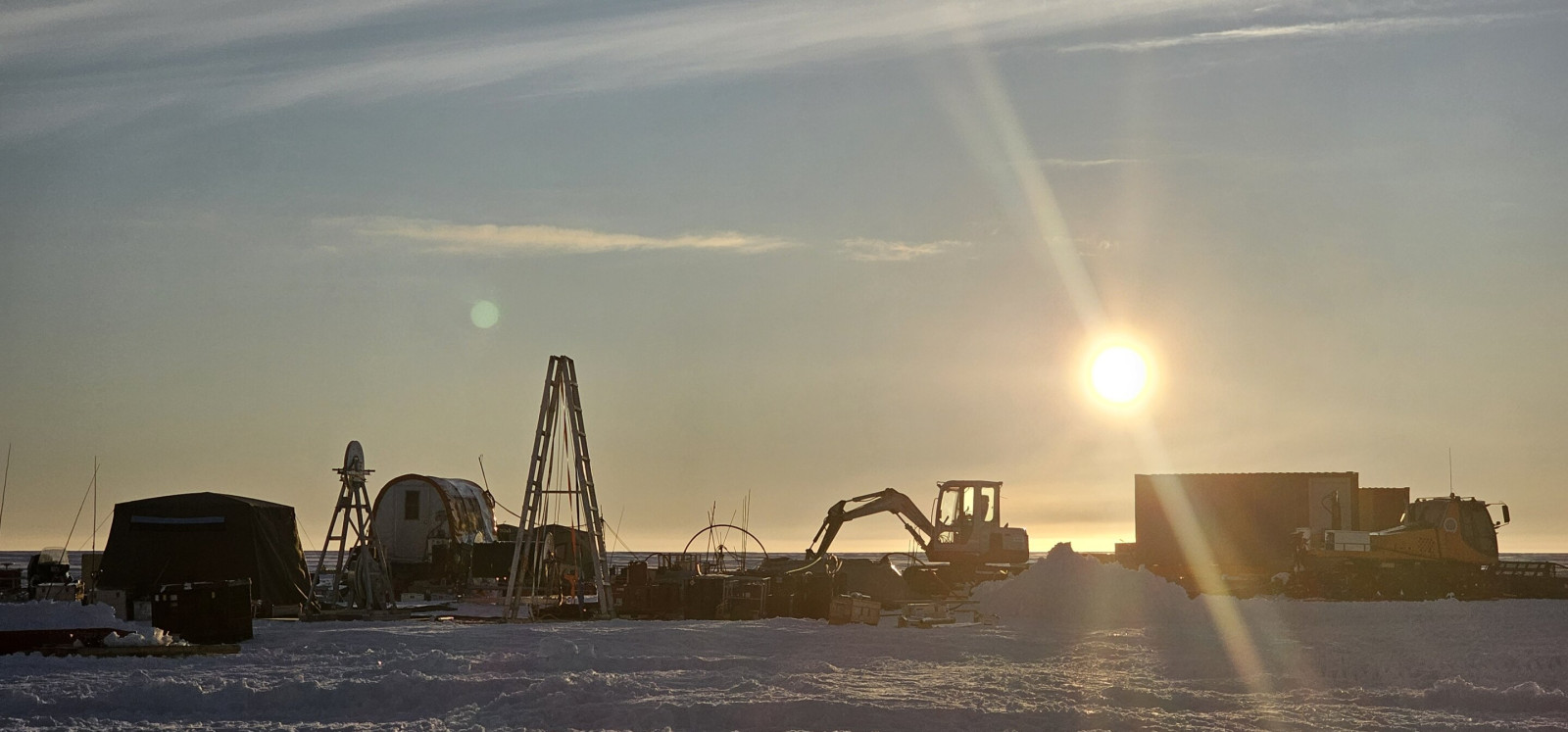
Various scenarios were tested by the researchers, ranging from smoother ice bases to realistic channel-formed ones under both cooler and slightly elevated ocean temperatures. The differences in melt rates between these simulated cases revealed the significant role of ice shelf morphology.
A Vulnerable Spot in Eastern Antarctica
These results are particularly notable because they highlight a vulnerability in East Antarctica, a sector that has generally been thought to be more resistant to warming than West Antarctica. The study showed that small inflows of warmer, deeper water substantially boost melting within the basal channels of the Fimbulisen Ice Shelf.
“We observed beneath the Fimbulisen Ice Shelf that even small amounts of warmer water can substantially increase melting within the channels,” Hattermann explained. “As a result, the channels can grow and, in the worst case, weaken the stability of the entire ice shelf.”
Co-author Qin Zhou highlighted that the cold ice shelves of Antarctica can still be highly responsive to subtle ocean temperature changes.
“What is striking is that even modest inflows of warmer deep water can have a large effect when the ice shelf base is channeled,” he said.
This discovery underscores that while scientists have long understood the risk warmer ocean waters pose to Antarctic ice, the specific underside topography of ice shelves might intensify melting beyond prior expectations.
Gaps in Climate and Ice Sheet Models
The study authors warn that many existing climate and ice-sheet models fail to fully incorporate the impact of these narrow basal channels. Published in Nature Communications, the research argues that uneven melting caused by trapped warm water may weaken critical areas, reducing ice shelves’ ability to hold back glaciers, thereby accelerating ice loss into the oceans.
Hattermann cautioned that overlooking these effects in current models could lead to underestimating how Antarctic ice shelves along the eastern coast react to warming oceans.
“Current climate models do not capture this effect,” he said, addingt that: “this means that they risk underestimating the sensitivity of the ‘cold’ ice shelves along East Antarctica’s coastline to small changes or warming in coastal waters. Such changes have already been observed, and are projected to increase in the future.”
- Categories:
- Science


0 comments
Sign in to Comment