

Japan’s aerospace agency, JAXA, is preparing to gather pristine material from comet 289P/Blanpain, aiming to unlock pivotal insights into the early solar system and the emergence of life. This ambitious endeavor, known as the Next Generation Small-Body Return (NGSR) mission, is set to bring back untouched cosmic samples that could transform scientific perspectives on space and life’s origins.
Targeting Comet 289P/Blanpain
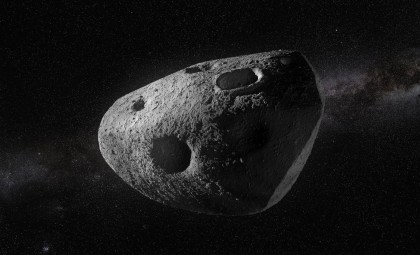
JAXA’s NGSR mission focuses on comet 289P/Blanpain, a celestial object with a remarkable background. Discovered in 1819, it vanished from observation for almost 200 years until its rediscovery in 2003. Initially mistaken as a near-Earth asteroid, its cometary nature was confirmed after an unexpected activity surge in 2013. Despite a modest estimated radius of roughly 160 meters, this comet presents a unique opportunity for sample retrieval.

A defining feature of 289P/Blanpain is its unusually low activity. Unlike many comets that release intense gas and dust as they near the Sun, this comet remains relatively quiet. This steadiness reduces risks to the mission, offering safer conditions for both spacecraft landing and the collection of uncontaminated materials.
Exploring Life’s Origins through JAXA’s Mission
JAXA’s expedition extends beyond mere sample collection, addressing fundamental questions about how life began. The NGSR mission targets materials that might reveal clues about life’s genesis on Earth. Researchers believe certain carbon-rich meteorites harbor organic molecules such as amino acids, critical to life's building blocks. Discovering similar organic compounds preserved beneath the comet’s surface could establish a direct connection between cosmic processes and life’s emergence here.
As detailed by Universe Today, the NGSR project also aims to clarify unresolved mysteries regarding planet formation. While asteroid samples have provided valuable clues, their compositions have been altered over time. In contrast, comets are considered largely unaltered relics, preserving primordial materials. Examining these samples could illuminate how early solar system dust coalesced into planets and other celestial bodies.
Overcoming Technical Hurdles
Extracting material from comets poses formidable challenges, and JAXA’s NGSR mission will advance space technology to unprecedented levels. A significant obstacle lies in handling the fragile cometary substance, which is often a thin, delicate layer of ice and dust rather than a solid surface. To avoid disturbing the samples, the spacecraft will feature specialized equipment to carefully collect materials.
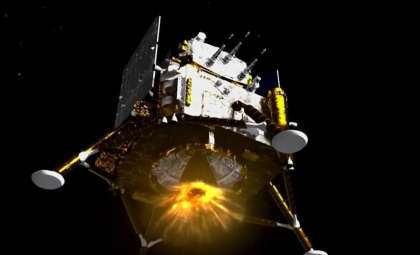
The mission design includes a Deep Space Orbital Transfer Vehicle (DSOTV) to facilitate travel between Earth and the comet, alongside a lander outfitted with advanced optical navigation systems, laser-ranging devices, and thermal cameras. After surveying the comet’s terrain, the spacecraft will deploy a Small Carry-on Impactor (SCI) to create a crater, exposing pristine material beneath the surface. This approach, reminiscent of techniques from the Hayabusa2 mission, aims to secure samples that have remained shielded from space’s harsh conditions.
This approach involves notable risks. Because comet matter is rich in volatile organic compounds, collected samples risk evaporating or degrading before analysis on Earth. To mitigate this, the lander will incorporate a multi-turn mass spectrometer for immediate on-site examination and employ sophisticated freeze-drying methods to preserve samples during their return journey.
The Mission’s Broader Impact
The NGSR initiative transcends a mere exploratory venture; it opens new avenues for comprehending the cosmos. Studying returned material from comet 289P/Blanpain could reveal not only our solar system's origins but also offer insights into the galactic environment that existed before the Sun and planets formed. Comets contain traces of interstellar dust and gas, snapshots of conditions predating our solar system’s birth.
Furthermore, discovering organic molecules in comet samples might deeply influence the quest for extraterrestrial life. Should comets have delivered essential components for life to Earth, it suggests similar processes might have occurred elsewhere in the universe. The NGSR mission promises to be a vital step in unraveling mysteries about life’s beginnings on Earth and its potential elsewhere in the galaxy.
As JAXA advances toward this daring mission, it may redefine humanity’s grasp of space and life, further cementing Japan’s role as a pioneer in the study of small celestial bodies.
- Categories:
- Astronomy








0 comments
Sign in to Comment