
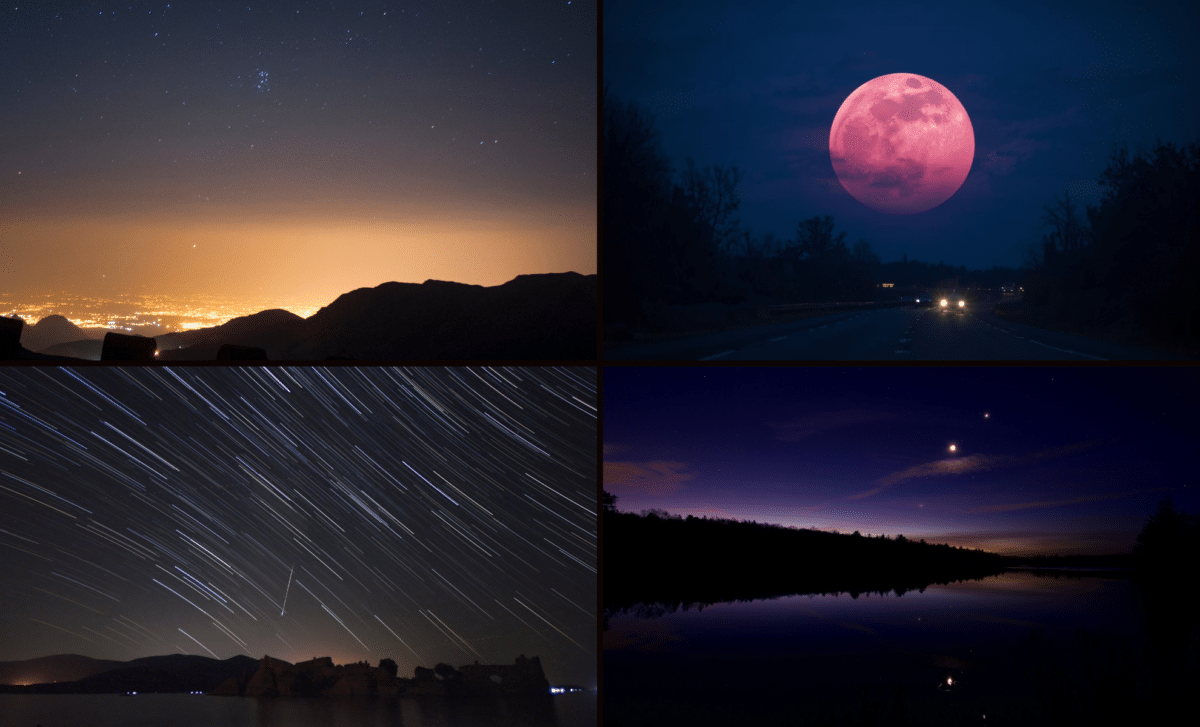
The upcoming June 2026 promises a remarkable collection of astronomical sights, captivating skywatchers globally without the need for advanced gear. According to National Geographic, the month brings together rare planetary conjunctions, delightful lunar displays, an annual meteor shower, and prime chances to observe the Milky Way’s luminous core. From the eagerly awaited close approach of Venus and Jupiter to the full Strawberry Moon, there will be plenty of reasons to gaze at the heavens each evening and predawn.
Venus and Jupiter Deliver One of June’s Most Impressive Sightings
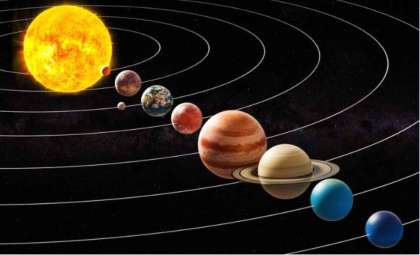
The standout event for June will take place on the evenings of June 8 and 9, as Venus and Jupiter, the two brightest planets visible from Earth, come exceptionally near to one another. Since late May, they have gradually drawn closer in the sky, culminating in a separation of approximately 1.5 degrees. To unaided eyes, the planets will appear nearly adjacent, while those using binoculars can easily see both objects together in one view.

This conjunction will be visible low in the northwestern sky shortly after sunset. Keen observers might also spot Mercury positioned below the pair, adding depth to an already spectacular scene. While planetary conjunctions happen regularly in astronomy, encounters involving these two luminous planets stand out for their ease of observation—no telescope is necessary, making this a memorable event for casual stargazers and seasoned astronomers alike.

Following Days Bring a Series of Lunar and Planetary Configurations
The Venus-Jupiter event is only the beginning of June’s celestial show. In the early morning hours of June 10, a slender crescent Moon will appear near Saturn, presenting another beautiful conjunction above the eastern skyline. Saturn will remain a focal point in the night sky throughout the month, its iconic rings visible through small telescopes and even some binoculars.
On June 11, an alignment of Mars, the crescent Moon, and Saturn will grace the predawn sky. For roughly an hour before sunrise, these three celestial bodies will form a diagonal arrangement over the eastern horizon, offering photographers and astronomy hobbyists a unique chance to capture multiple planets together and observe the solar system’s fluid motions.
These consecutive morning events make the second week of June particularly exciting for skywatchers. Optimal viewing will depend on clear weather and an unobstructed view to the east.
New Moon Brings Clarity to the Galactic Center
On June 15, the Moon reaches its new phase, marking one of the month’s key observing opportunities. With the Moon’s glow absent, fainter celestial structures become easier to see, unveiling a more vivid night sky.
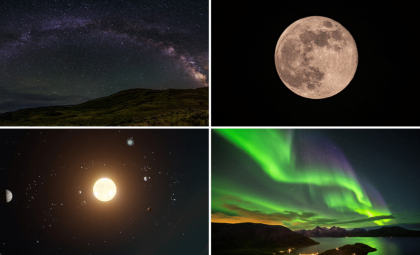
As noted by National Geographic, June is ideal for gazing at the radiant heart of the Milky Way Galaxy. From dark-sky areas, millions of tightly clustered stars stand out, forming a brilliant galactic band across the heavens. This timeframe is also perfect for astrophotographers aiming to capture stunning images of the Milky Way’s core.
Light pollution continues to challenge stargazers, so those traveling to dark-sky preserves will experience the best views. Under ideal conditions, the center of our galaxy offers one of the most breathtaking naked-eye sights on Earth.
Summer Begins as the Night Sky Remains Vibrant
The Summer Solstice on June 21 officially signals summer’s start in the Northern Hemisphere. This astronomical event occurs when the Sun attains its peak apparent position above Earth’s equator. Though it happens during daylight hours, the solstice marks a seasonal turning point linked with optimal conditions for stargazing.
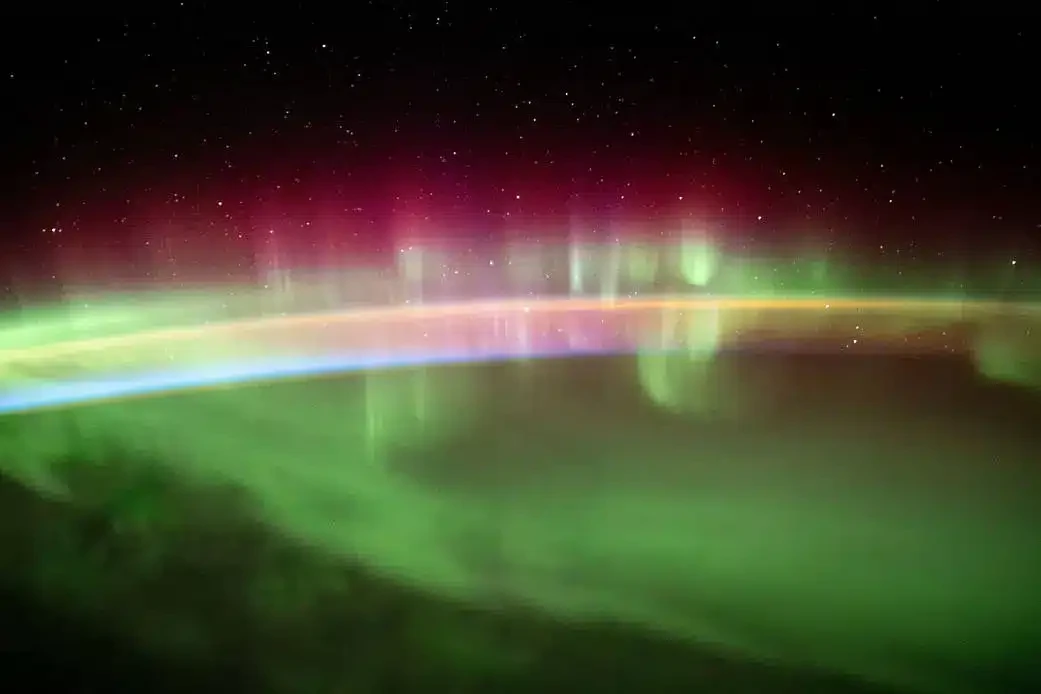
Longer evenings and mild weather make summer a favored time for amateurs to enjoy the cosmos outdoors. In northern high latitudes, the Midnight Sun creates prolonged twilight, while parts of the Southern Hemisphere begin to experience enhanced Aurora Australis activity, showcasing seasonal sky changes around the globe.
The solstice serves as a reminder that celestial events are intimately connected to Earth’s journey around the Sun, linking familiar seasonal changes with grander astronomical rhythms.
Late June Features Meteor Showers, a Strawberry Moon, and Mars Highlight
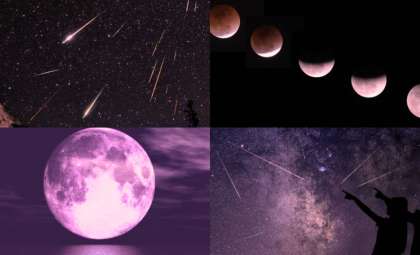
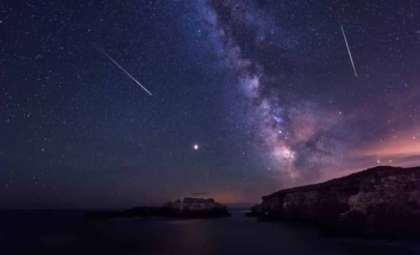
The final week of June offers more eye-catching phenomena. The June Bootid Meteor Shower is expected to peak around June 27. Though considered a moderate shower, it has surprised astronomers in the past with sudden intense bursts producing dozens or even hundreds of meteors per hour. This variability makes the Bootids worth observing, despite interference from this year’s bright moonlight.
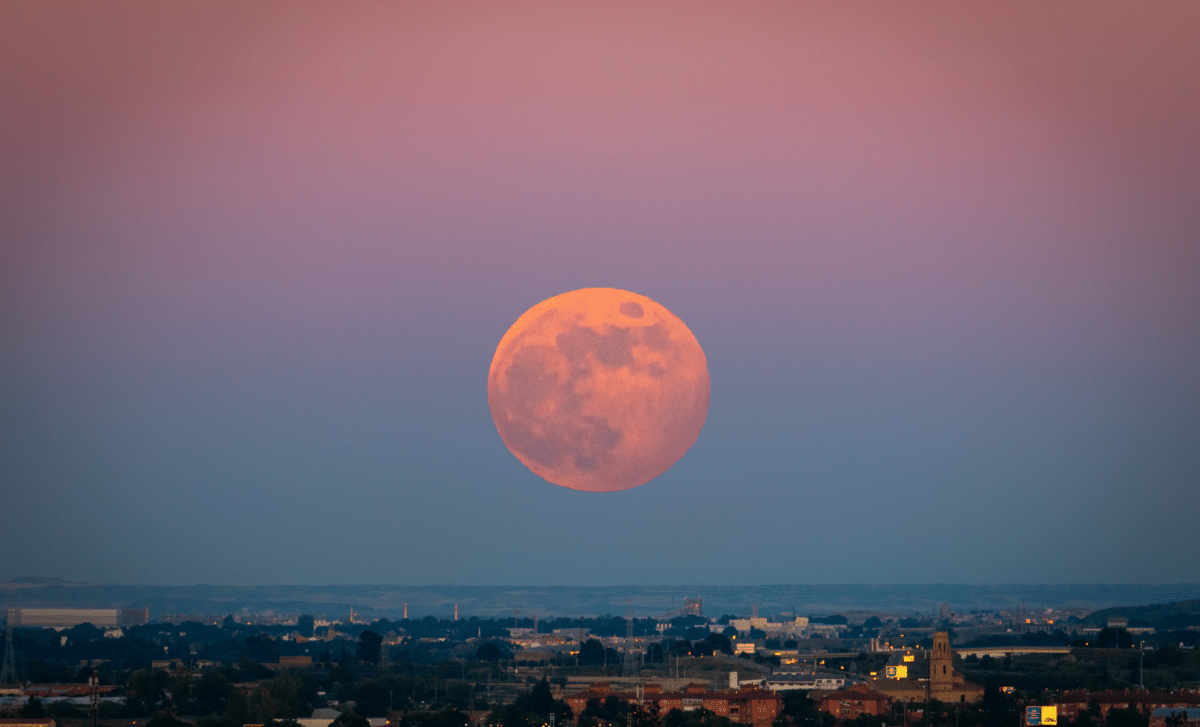
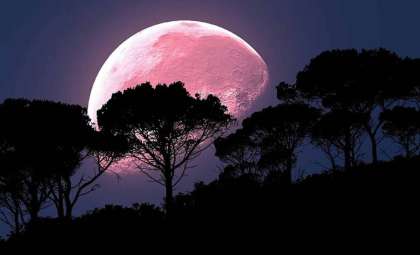
On June 29, the full Strawberry Moon will rise. Named after Native American traditions connected to the strawberry harvest, the moon’s surface won’t actually turn red; however, viewers might see warm reddish and golden hues at moonrise and moonset caused by Earth’s atmospheric effects.
The month ends with a vibrant celestial combo as Mars nears the Pleiades star cluster. The striking contrast between Mars’ reddish glow and the cluster’s blue stars offers one of the most colorful pre-dawn sights of the year, perfectly capping off an action-packed June sky schedule.
- Categories:
- Astronomy





0 comments
Sign in to Comment