
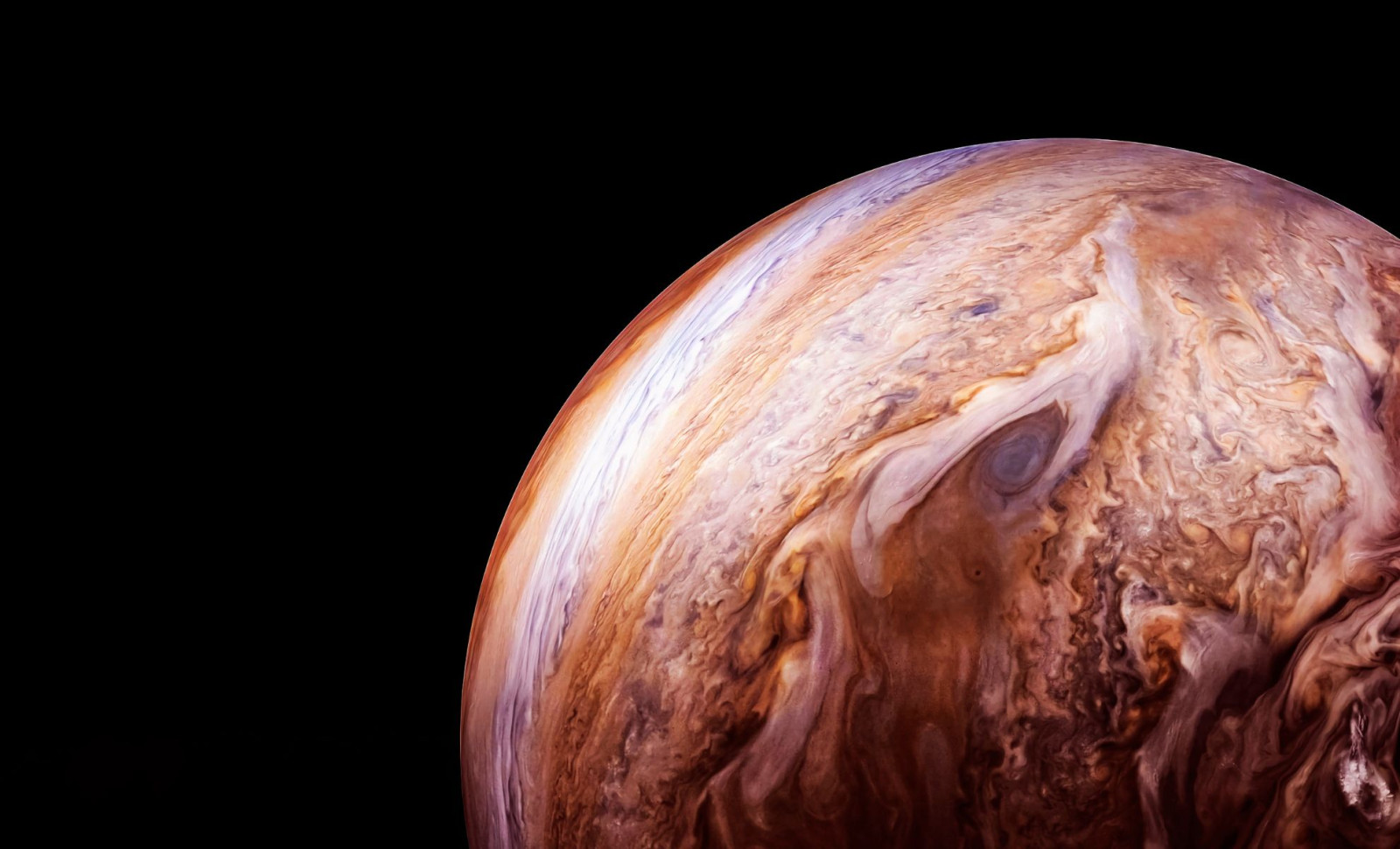
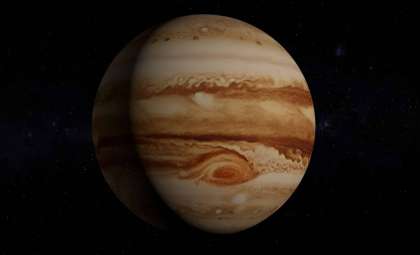
The Great Red Spot of Jupiter, a colossal storm that has intrigued astronomers for centuries, is now at its smallest measured size ever. New findings from NASA’s Hubble Space Telescope demonstrate that this legendary tempest, formerly large enough to enclose Earth, has diminished significantly in scale.
This swirling storm has been observed from Earth for over 350 years. Although its gradual decline in size has been known for decades, the latest data reveal the spot is contracting at an accelerated pace not previously recorded.
Reaching Record Small Dimensions
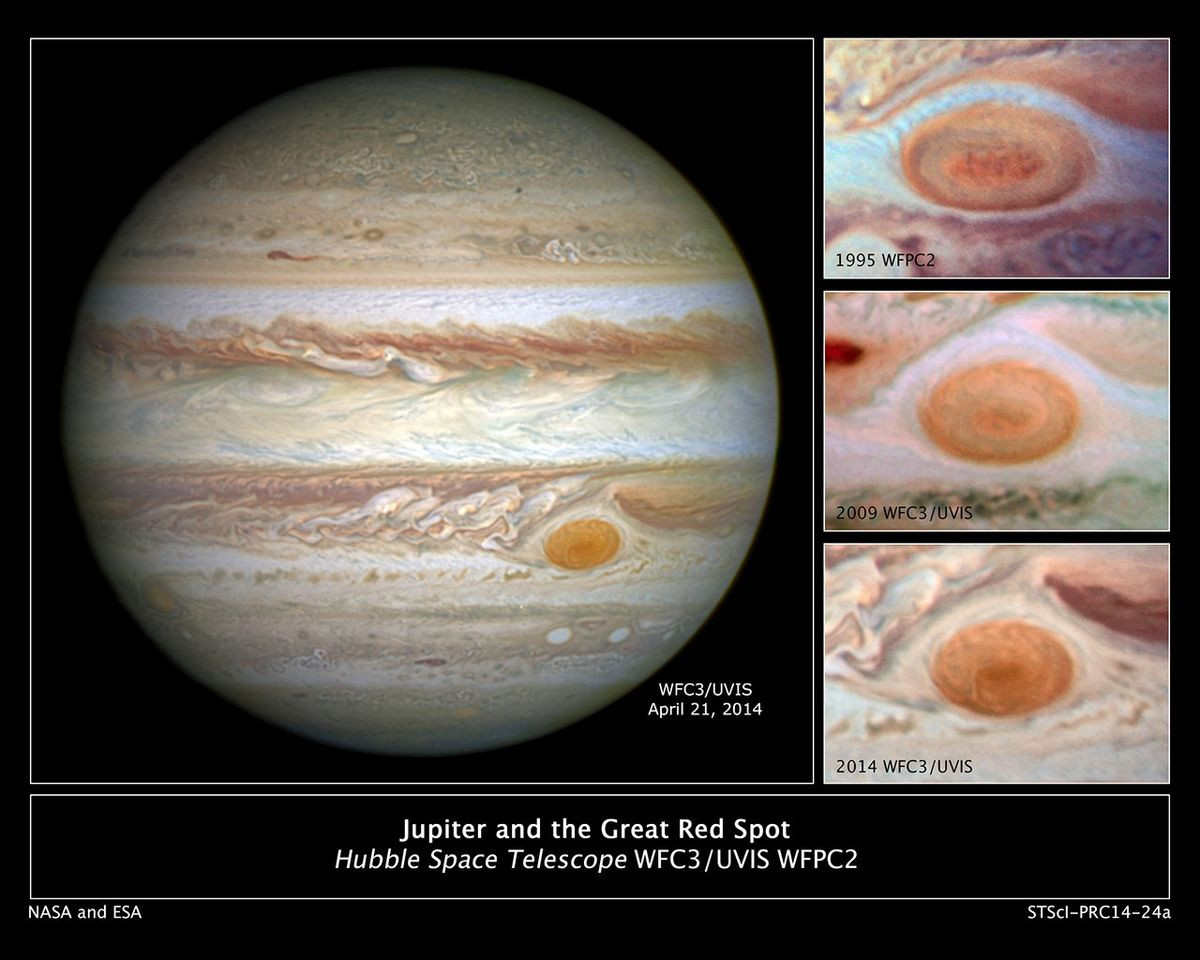
Known for its vast circumference and striking red hue, the Great Red Spot’s diameter has shrunk to just 10,250 miles, marking the smallest size on record. Historical measurements, including those from the 1979 NASA Voyager missions, showed the storm spanning 14,500 miles, and at its prime it stretched as wide as 25,500 miles according to NASA’s Hubble Space Telescope.

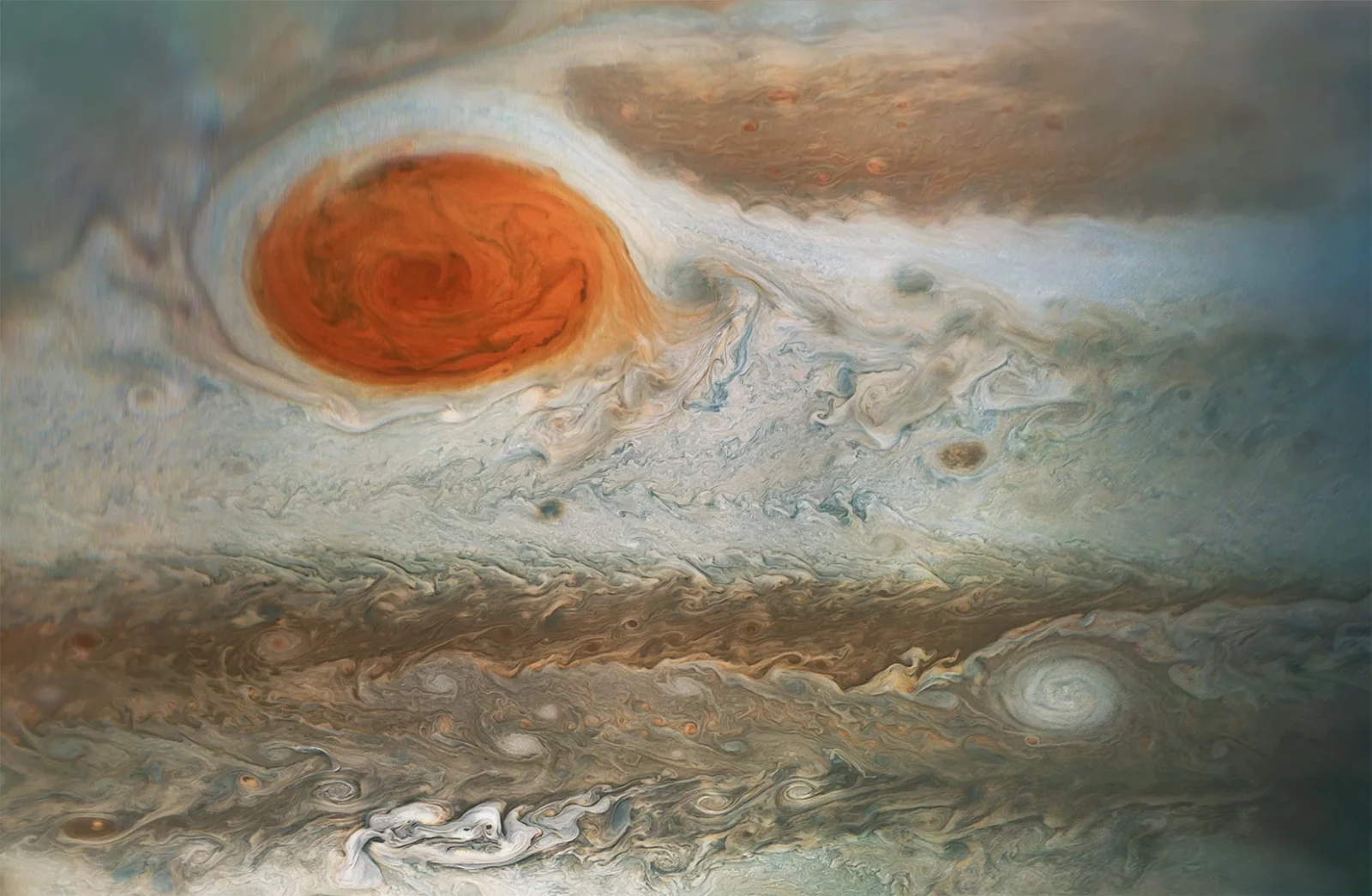
Since observations began accelerating in 2012, the storm’s diameter has decreased by roughly 580 miles each year.
Despite shrinking, the storm remains enormous relative to Earth. Yet, many scientists are surprised by how quickly it is contracting lately.
“In our new observations it is apparent that very small eddies are feeding into the storm,” said Amy Simon of NASA’s Goddard Space Flight Center.
Internal Changes Illuminate the Storm’s Transformation
The storm’s outline has evolved from an oval shape to a more circular one over the years. These alterations reflect broader atmospheric shifts on Jupiter that researchers are investigating closely.
Simon and her colleagues propose that small whirlpools, or atmospheric eddies, may influence the storm’s internal flows. These tiny vortices possibly feed into the Great Red Spot, modifying the storm’s energy and circulation patterns. As Simon explained:
“We hypothesized that these may be responsible for the accelerated change by altering the internal dynamics and energy of the Great Red Spot.”
Continuing Investigation into the Storm’s Shrinking
Although the decline in the Great Red Spot’s size is well-documented, scientists have yet to pinpoint the precise reasons. Theories suggest that atmospheric variations on Jupiter or modifications within the storm itself could be factors, but no conclusive answers have emerged.
The extensive data gathered, especially from Hubble, offer valuable insights for studying this iconic tempest’s evolution. Ongoing monitoring aims to reveal why this legendary storm is diminishing so swiftly now.
- Categories:
- Space




0 comments
Sign in to Comment