

For many years, astronomers theorized about a magnetic field that stabilizes the Milky Way, but only recently has the intricate architecture of this unseen force been unveiled. A recent investigation utilizing radio wave measurements has exposed the swirling patterns of the galaxy's magnetic field, offering vital clues about the cosmic forces steering our galaxy's destiny.
This significant breakthrough comes from an extensive mapping initiative spearheaded by Dr. Jo-Anne Brown, a physics and astronomy expert at the University of Calgary. Employing state-of-the-art radio telescopes, her research group collected fresh observations to chart the Milky Way’s magnetic field and its dynamic changes. This pioneering work delivers a novel framework for analyzing how magnetic influences impact the galaxy's progression.
Decoding the Milky Way’s Magnetic Blueprint
It has long been understood that the Milky Way’s magnetic field serves a critical function in preventing the galaxy from collapsing under its own gravity. Without this magnetic support, gravitational forces would pull in gas and dust, risking the galaxy’s structural stability. Yet, the exact contours and mechanisms of this field remained elusive.

Dr. Jo-Anne Brown explains that the goal of their research is to build precise models forecasting how the magnetic field will shift over time. Their work leverages data from the Global Magneto-Ionic Medium Survey (GMIMS), a project exploring magnetic field interactions with charged particles distributed throughout the galaxy. This extensive dataset enabled scientists to draw a detailed magnetic map of the Milky Way.
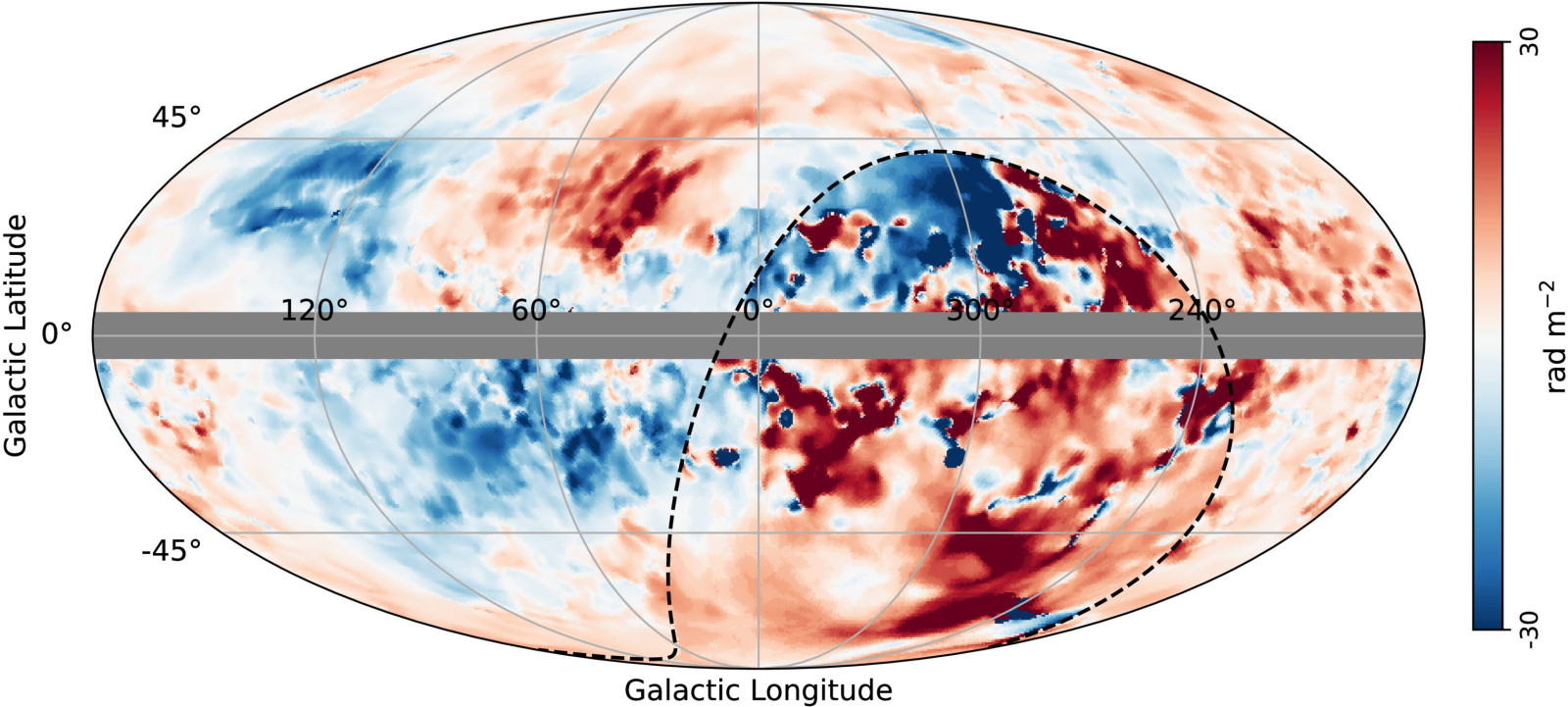
Radio Wave Observations Illuminate Galactic Magnetism
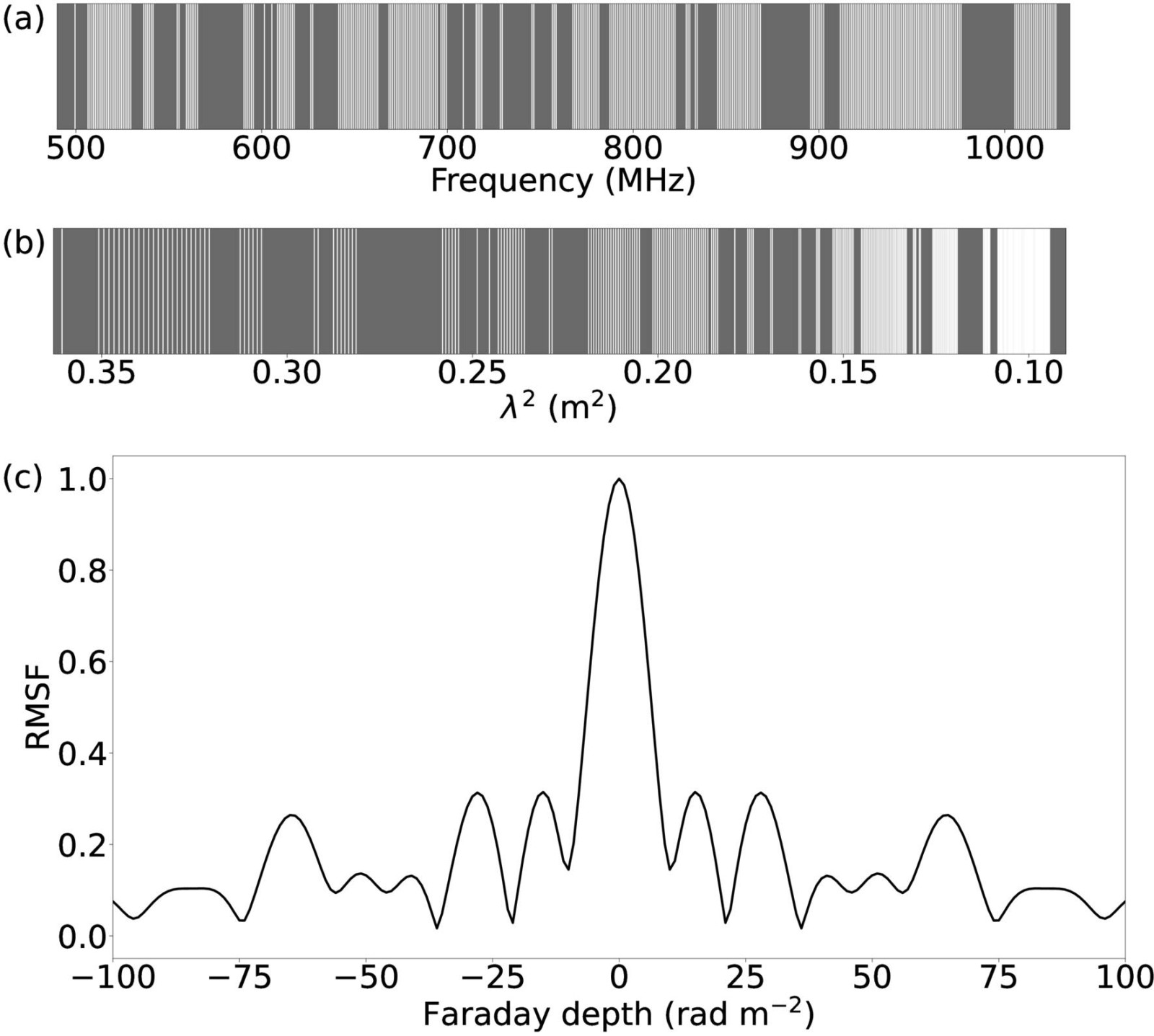
To obtain the crucial measurements, the research team utilized a radio telescope at the Dominion Radio Astrophysical Observatory in British Columbia. This instrument detects tiny alterations in radio wave signals caused by magnetic influences, unveiling details about the galaxy’s spatial structure. Their results, published in The Astrophysical Journal, were based on the phenomenon known as Faraday rotation, which happens when radio waves traverse magnetic fields and electron clouds.
“Faraday rotation is similar to how light bends when it passes through a glass of water,” said Rebecca Booth, a PhD candidate and lead author of the second study, explaining how the team traced the field’s direction.
This approach enabled the researchers to monitor variations in the galaxy’s magnetic field and determine its exact orientation across various galactic regions.
Unexpected Magnetic Reversal in the Sagittarius Arm
An intriguing revelation emerged within the Sagittarius Arm of our galaxy. While the magnetic field generally flows clockwise in most regions, it reverses direction in the Sagittarius Arm, flowing counterclockwise. This unexpected magnetic flip is more intricate than previously thought.
Dr. Brown and her colleagues discovered that this reversal occurs diagonally through the arm—a phenomenon not captured in earlier models. The 3D model developed by Rebecca Booth illustrates this unique reversal pattern, adding new complexity to scientists’ understanding of the Milky Way’s magnetic topology.
- Categories:
- Astronomy










0 comments
Sign in to Comment