
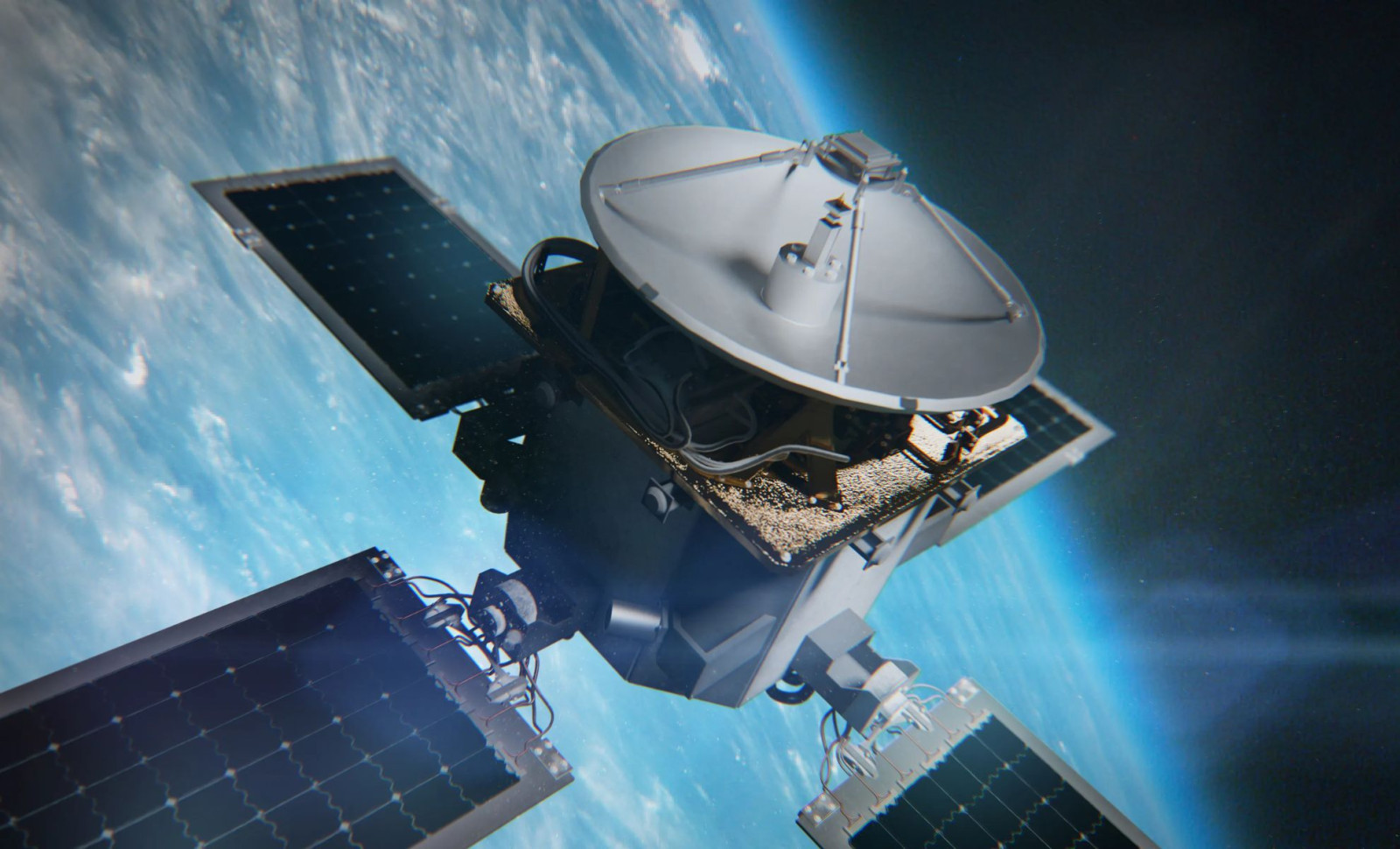
NASA has unveiled a breakthrough communication technology enabling spacecraft to dynamically switch between different satellite networks, moving beyond the traditional reliance on a single network. This innovation, known as the Polylingual Experimental Terminal (PExT), fulfilled its primary mission goals in late 2025 and is now progressing into a prolonged evaluation period.
Historically, spacecraft have depended on a single communications infrastructure for the duration of their missions— a reliable but somewhat inflexible setup for sending data to Earth. Launched on July 23, 2025, aboard York Space Systems’ BARD spacecraft, PExT was designed to demonstrate how wideband communications can operate seamlessly across several relay systems using the Ka-band spectrum.
Managed by NASA’s Space Communications and Navigation (SCaN) Program, this project supports NASA’s drive toward more adaptable communication solutions for upcoming space missions.

Milestone Achieved: PExT Links to Multiple Satellite Networks
December 2025 marked a significant breakthrough when PExT completed its core technology demonstration. According to a NASA release, the terminal transmitted data back to Earth via NASA’s Tracking and Data Relay Satellite system alongside commercial providers Viasat and SES Space & Defense.
Though technical in nature, the concept is straightforward: rather than depending on a singular communications provider, spacecraft equipped with this innovation can connect across multiple networks. The test verified this by utilizing the standard Ka-band frequencies to communicate via both government-operated and commercial satellites.
NASA regards this success as a pivotal advancement toward a more integrated communications ecosystem in space. Following this achievement, the agency extended the mission phase starting January 2026, with operations set to continue through April 2027.

Expanding to Direct Earth Contact
The mission's next step includes tests of direct communications between the spacecraft and Earth's ground stations. NASA is partnering with SSC Space and its worldwide ground station network for these demonstrations.
“The demonstration is scheduled to complete more than 50 direct links to Earth via SSC Space’s partner ground station in Weilheim, Germany,” explained NASA, noting that these tests include both forward and return communications links.
This phase aims to assess varied data routing strategies for spacecraft transmissions. In certain cases, data may be relayed via satellites; in others, sent directly to Earth stations. Such versatility will enhance mission efficiency and allow engineers to analyze how different communication channels perform in real conditions.

Innovative Network Management Software Under Evaluation
Alongside hardware demonstrations, NASA is collaborating with Aalyria Technologies to trial enterprise-level service coordination through their Spacetime software platform. This system aims to streamline communication management across various missions and network providers. As reported by SciTechDaily, the goal is to showcase how shared orchestration tools can enhance operational clarity and optimize communication resources.
This initiative extends longstanding collaboration between Aalyria and the U.S. Defense Innovation Unit via the Hybrid Space Architecture program, which seeks to enhance compatibility among government and commercial networks. NASA added that:
“Through this collaboration, NASA benefits from the investments to mature the Aalyria Spacetime framework, building on previous progress achieved under the agency’s NextSTEP-2 program.”
As testing advances through 2027, the project remains committed to showcasing spacecraft communications that operate fluidly across multiple networks, marking a transformative shift in space communication strategies.
- Categories:
- Nasa











0 comments
Sign in to Comment