

NASA is gearing up to deploy six innovative airborne science missions aimed at unraveling some of Earth’s most intricate environmental changes. These efforts will explore everything from wildfire dynamics and air pollution to glacier retreat and ecosystem transformations. Under the Earth Venture Suborbital program, these missions are advancing toward active science flights, delivering a new wave of airborne data to complement satellite observations.
Introducing the Latest Era of Airborne Earth Observation
The upcoming expeditions will utilize an array of platforms including aircraft, high-altitude balloons, drones, and cutting-edge instrumentation to gather detailed data across diverse terrestrial regions. These technologies enable scientists to examine Earth's systems with a granularity rarely achievable through satellites alone.
While satellites provide expansive global monitoring, airborne missions can zero in on precise locations and specific phenomena. This allows researchers to deploy instruments directly above active wildfires, shifting ice masses, polluted cityscapes, and sensitive ecological zones, capturing invaluable data on these dynamic processes.

Collaborative teams from NASA, academic institutions, research centers, and government agencies are spearheading these missions. Each project is tailored to address targeted scientific inquiries into how natural forces and human activities are driving planetary change.
The Earth Venture Suborbital program champions adaptable research initiatives designed to tackle key questions in Earth science. Established per the recommendations of the National Research Council, the program has supported previous studies spanning storms, ocean dynamics, ecosystems, and atmospheric phenomena.
Data collected from these flights will enhance climate modeling, improve environmental forecasts, and deepen scientific insight into rapidly shifting environments.
Earth Venture Suborbital Program Advances NASA’s Monitoring Capabilities
NASA explains that these new airborne projects mark a significant enhancement in the agency’s multi-modal Earth observation strategy. By fusing airborne measurements with satellite data and ground-based studies, researchers can generate comprehensive perspectives on environmental transformations.
This layered observational approach leverages satellites for broad-scale monitoring while employing aircraft for precise, localized investigations.
The missions will concentrate on crucial scientific challenges such as the transport of atmospheric pollutants, dynamics of intense wildfire phenomena, and alterations in frozen terrains.
Equipped with specialized sensors, scientists will measure chemical constituents, temperature profiles, atmospheric variables, surface features, and biological activity to unravel complex Earth system interactions.
The gathered data will support ongoing climate research, weather forecasting, and environmental risk assessments.
INSPYRE Targets Intense Wildfire-Driven Storms
The Injected Smoke and PYRocumulonimbus Experiment (INSPYRE), led by the Naval Research Laboratory, stands among the earliest missions to initiate science flights.
INSPYRE focuses on studying pyrocumulonimbus clouds—strong storm systems formed by aggressive wildfires. These clouds can propel smoke and gases high into the atmosphere, potentially influencing air quality and atmospheric chemistry globally.
Scientists aim to address lingering uncertainties about the formation of these extreme fire storms and their role in distributing smoke worldwide. Aircraft will collect direct observations within wildfire-affected environments.
This mission will investigate the physical and chemical traits of wildfire smoke, shedding light on particle and gas transport processes in the atmosphere.
Better characterization of these phenomena will refine predictive models related to smoke dispersal and broaden understanding of large wildfire impacts.
Expanding NASA Research into Ice, Pollution, and Ecosystem Dynamics
Other missions in this series will thoroughly examine diverse elements of Earth’s evolving environment, including glacial territories, atmospheric chemistry, ecological communities, and areas where intensive measurements are critical.
Utilizing aircraft allows researchers to document changes occurring over short timescales, often missed by satellite monitoring.
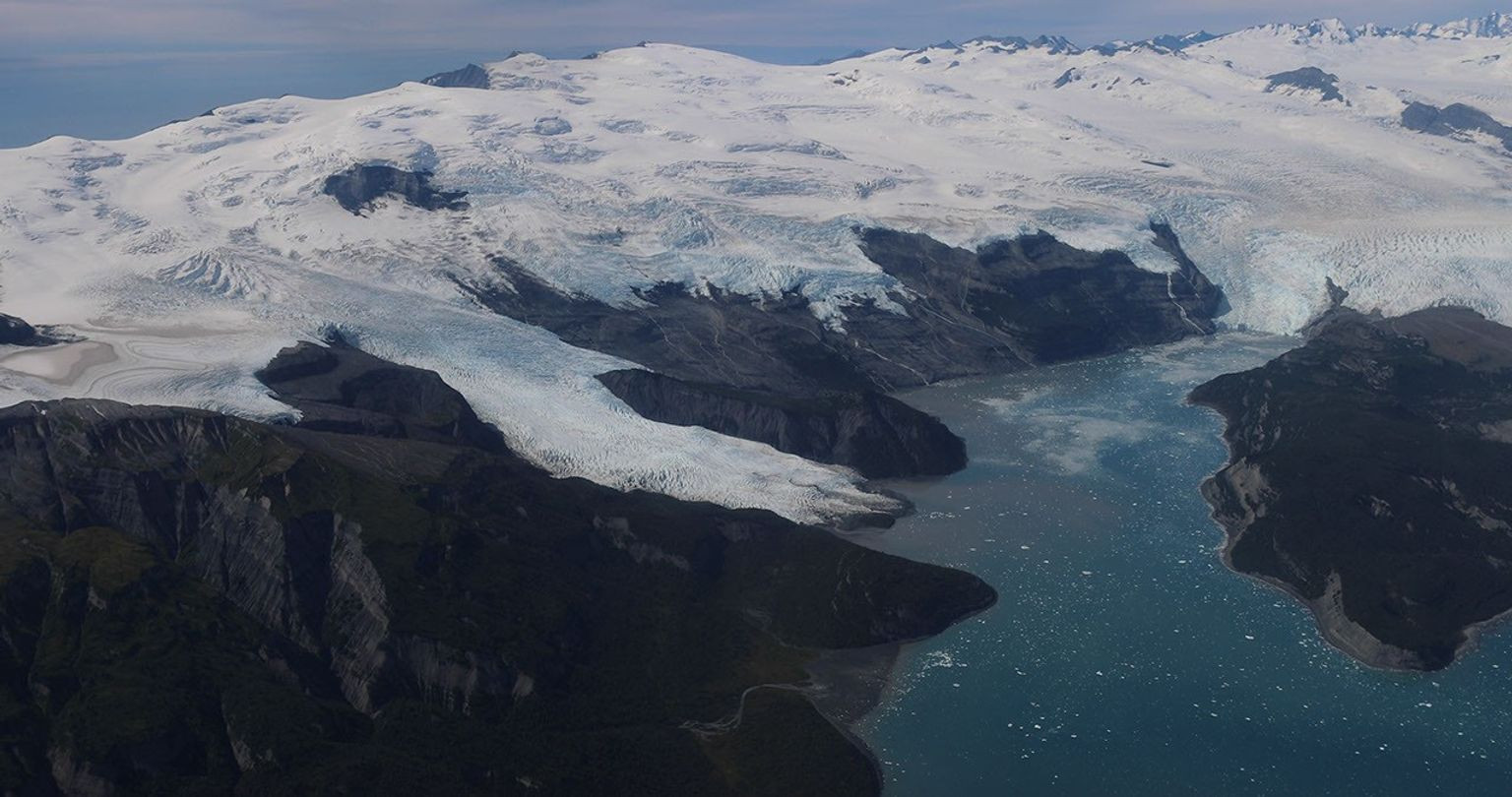
Teams studying frozen regions will track glacier transformations and cryospheric shifts, enhancing knowledge of polar responses to climate change.
Parallel projects will assess atmospheric pollutants affecting air quality and climate, providing insights into pollutant movement patterns.
Additionally, some campaigns will focus on ecosystems, collecting data on how biological systems adapt to changing conditions.
Collectively, these endeavors will generate an extensive scientific dataset that enriches understanding of Earth’s interconnected systems.
Integrating Diverse Methods to Decipher Earth's Transformations
These missions underscore the growing importance of integrating multiple observational techniques in contemporary Earth science. While satellites offer broad imagery, airborne platforms deliver precise, real-time data from focused sites.
Deploying research instruments directly into complex environments enables investigation of rapidly evolving phenomena as they occur.
Understanding wildfires, atmospheric shifts, and glacial retreat requires this detailed observation to uncover underlying mechanisms driving change.
Results from these airborne campaigns will support future scientific analyses and expand comprehension of Earth’s interconnected systems.
As these missions commence, NASA’s fleet of airborne platforms will become a vital resource for monitoring our planet’s dynamic environment.
- Categories:
- Nasa








0 comments
Sign in to Comment